scorpion skeleton
Key Takeaways
- A scorpion skeleton consists of an external chitinous exoskeleton and an internal endosternite for muscle attachment.
- Unlike vertebrate skeletons, the scorpion’s skeleton is an armor-like system made of segmented plates.
- The exoskeleton provides both protection and articulation for the scorpion’s movements.
- The scorpion skeleton plays a crucial role in the animal’s structural framework and mobility.
Introduction: The Scorpion Skeleton in Science and Imagination
Scorpions possess both an external exoskeleton made of chitin and an internal endosternite, a chitinous plate that anchors muscles. The exoskeleton undergoes sclerotization, where proteins cross-link to create rigid, protective segments. This dual system allows precise movement while maintaining armor-like defense, unlike purely internal skeletons found in vertebrates.
A scorpion’s skeleton includes sensory hairs on its exoskeleton, enhancing environmental awareness and aiding in hunting and defense behaviors.
If you’re fascinated by the unique structure of the scorpion skeleton and want to bring that look to life, explore animal costume options that draw inspiration from real arthropod anatomy.
For those seeking a dramatic and spooky transformation, check out scary and unique Halloween costumes that incorporate skeleton and exoskeleton motifs for maximum visual impact.
The Real Scorpion Skeleton, Anatomy, Structure & Evolution
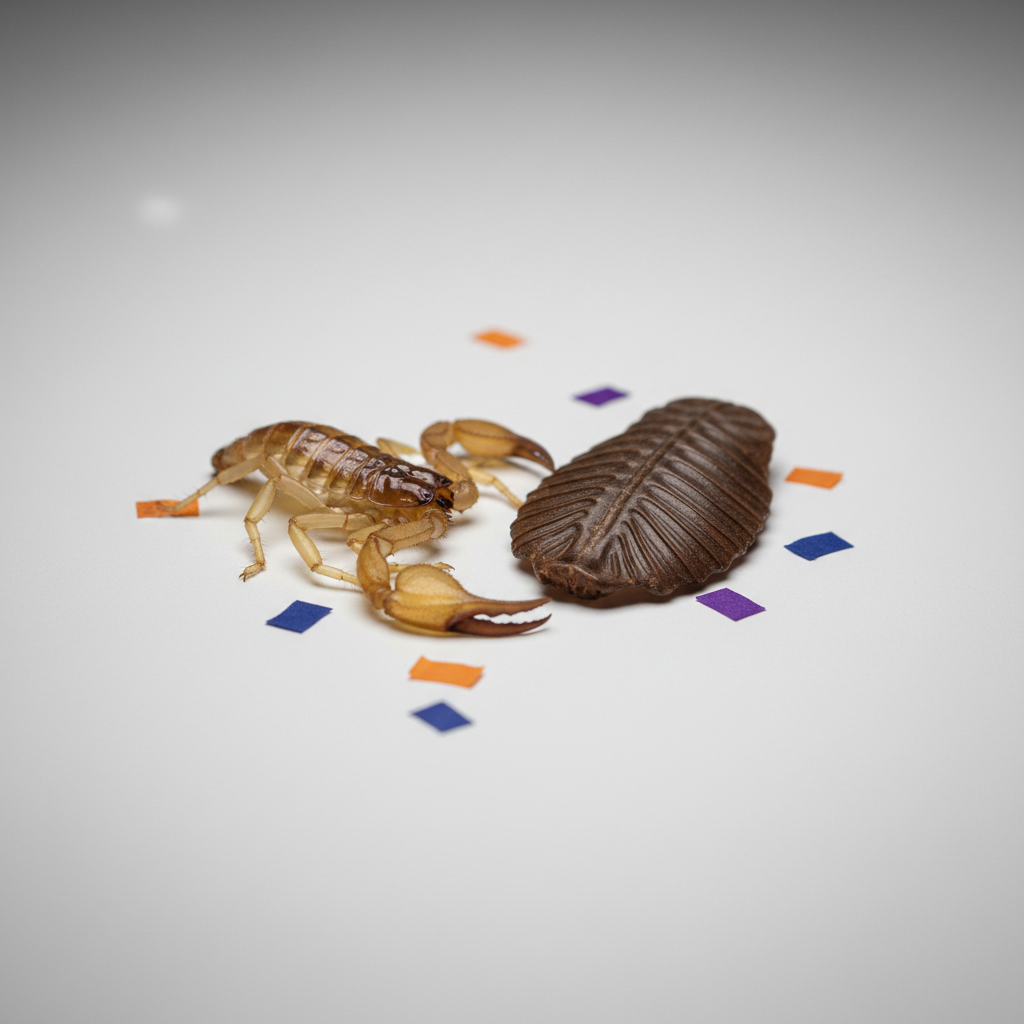
What Makes a Scorpion Skeleton Unique?
Scorpions possess both an external exoskeleton made of chitin and an internal endosternite, a chitinous plate that anchors muscles. The exoskeleton undergoes sclerotization, where proteins cross-link to create rigid, protective segments. This dual system allows precise movement while maintaining armor-like defense, unlike purely internal skeletons found in vertebrates.
| Criteria |
Exoskeleton |
Endoskeleton |
| Location |
External surface |
Internal framework |
| Material |
Chitin + proteins |
Bone/cartilage |
| Growth Process |
Molting required |
Continuous growth |
| Flexibility |
Segmented joints |
Ball-and-socket joints |
| Protection |
Direct armor plating |
Muscle/tissue covering |
Segmentation & Key Body Regions
A scorpion’s body divides into distinct regions: the prosoma (cephalothorax) housing the brain and legs, the mesosoma (pre-abdomen) with 7 segments containing organs, and the metasoma (tail) with 5 segments ending in the telson (stinger). Each segment connects via flexible membranes, allowing the characteristic curved tail posture while maintaining structural integrity.
This segmentation enables precise movement control, the mesosoma flexes for walking and burrowing, while the metasoma articulates for defensive strikes. The telson contains venom glands and terminates in the aculeus (stinger tip), often reinforced with metal ions like zinc for durability.
Support, Protection, and Growth
The exoskeleton serves triple duty: structural support for muscle attachment, protection from predators and environmental hazards, and water retention in arid climates. Growth occurs through molting, scorpions shed their entire exoskeleton 5-7 times before maturity. Fresh molts appear pale and soft for 3-4 hours before hardening, making this the most vulnerable period in a scorpion’s life cycle.
How to DIY, Preserving, Displaying, and Studying Scorpion Skeletons
Preparing & Preserving a Scorpion Skeleton
Start with a naturally deceased specimen. Rinse gently in 70% ethanol to remove debris, then air-dry in a well-ventilated space for 24-48 hours. Essential tools include fine forceps for positioning, a soft artist’s brush for cleaning, and a magnifying glass for detail work. Avoid harsh chemicals that can dissolve chitin or alter the natural coloration.
Displaying Your Specimen: Techniques & Tips
Mount specimens in clear acrylic display cases using museum-grade adhesive putty. Position limbs in natural poses, legs slightly bent, tail curved over the back. Create labeled backgrounds noting species, collection location, and key anatomical features. Avoid direct sunlight, which fades the exoskeleton and makes chitin brittle over time.
Expert Tip: Secure the delicate metasoma first, then position the prosoma and mesosoma. The tail segments are most prone to separation, so handle with soft-tipped tweezers and never apply pressure to joints.
Study & Identification for Beginners & Pros
Identify species by examining pectines (comb-like sensory organs), males typically have longer, more numerous teeth. Telson shape varies dramatically: bulbous in highly venomous species, elongated in less toxic varieties. Measure prosoma width and metasoma length ratios for precise identification using field guides.
Common preservation challenges include fragile tail segments and broken pedipalps (claws). Reinforce weak joints with micro-glue applied sparingly to membrane connections. Handle specimens with soft-tipped tweezers and store in temperature-controlled environments to prevent brittleness.
Scorpion Skeletons in Pop Culture, Art, and Costume Design
Artistic Interpretations: Miniatures, Music, & Contemporary Art
Contemporary artists have transformed the scorpion skeleton into striking visual statements. Ana Afonso’s acclaimed “Scorpion Skeleton” graphite series features detailed 11×14 inch anatomical studies that capture every segment and sensory hair with scientific precision. Collectible miniatures from specialty studios offer 1:1 scale resin replicas perfect for desk displays, typically measuring 4-6 inches in length with articulated segments.
These artistic interpretations focus on the creature’s segmented beauty, the flowing curve from prosoma through the five-segment metasoma creates natural compositional lines that artists exploit for dramatic effect. Search for graphite-based originals or high-quality resin collectibles when seeking authentic pieces that capture the scorpion’s architectural elegance.
From Skeleton Structure to Costume: MorphSuit Strategies
Premium costume design draws directly from scorpion skeleton anatomy to create authentic-looking suits. The segmented structure translates into flexible panel construction, while the distinctive stinger and pedipalps become signature costume elements. Quality suits incorporate mesh ventilation panels that mirror the natural breathing structures of the exoskeleton.
For Halloween success, choosing a segmented, anatomically-inspired suit with 125GSM breathable material ensures comfort during extended wear. The difference between a generic “bug costume” and a scientifically-informed design becomes obvious when the wearer moves naturally and stays comfortable. Explore MorphCostumes for scorpion-themed options that combine biological accuracy with party-ready durability.
Comparing Scorpion Skeletons, Real vs. Costume vs. Other Arthropods

Side-by-Side Analysis: Real Skeletons & Costumes
Authentic scorpion skeleton anatomy provides the blueprint for modern costume construction, though each serves different purposes. Real skeletons prioritize protection and mobility through rigid chitin segments, while costume versions focus on comfort and visual impact through flexible fabric panels.
| Criteria |
Real Scorpion Skeleton |
MorphCostumes Scorpion Suit |
| Segmentation |
7 mesosoma, 5 metasoma segments |
Replica panels with flexible seams |
| Stinger Detail |
Telson with metal-reinforced aculeus |
Soft foam tip with secure attachment |
| Material |
Chitin (natural polymer) |
125GSM soft, breathable fabric |
| Comfort |
Rigid, protective shell |
Breathable, fits 30+ measurements |
| Accessories |
Sensory hairs, pectines |
Integrated gloves, optional mask |
Scorpions vs. Lobsters, Spiders & Insects
The scorpion exoskeleton provides superior flexibility compared to lobster shells while offering better protection than spider cuticles. Unlike insects with three body segments, scorpions maintain 12+ distinct segments that allow serpentine tail movement. The stinger defense mechanism surpasses lobster claws in precision and spider fangs in reach.
Muscle attachment points in scorpion skeletons use both external exoskeleton anchor points and internal endosternite structures, a hybrid system that gives them unique strength-to-flexibility ratios among arthropods. This anatomical advantage explains why scorpion-inspired costumes often feel more natural in movement than rigid beetle or crab designs.
If you’re interested in more creative ideas and trivia related to costumes and pop culture, check out the MorphCostumes blog for inspiration.
Problem-Solving and Expert Tips
Common Scorpion Skeleton Challenges, And Exact Solutions
Fragile exoskeletons break during handling when pressure concentrates on narrow joints. Support specimens with archival micro-mesh underneath the prosoma and never squeeze the mesosoma region. For transport, cushion each segment individually with acid-free tissue paper.
Preserving molted skins without warping requires immediate action. Pin segments flat against styrofoam boards using entomological pins, maintaining natural curves. Dry for 24-48 hours in low humidity (under 40%) to prevent membrane shrinkage. Scorpions cannot regenerate broken stingers, new telson formation only occurs during molting cycles, which happen 5-7 times before maturity.
Expert Identification and Handling Techniques
Pectines (comb-like sensory organs) provide the most reliable species identification markers. Count teeth numbers and examine spacing patterns, desert species typically feature 15-25 pectine teeth, while tropical species show 8-15. Handle specimens with fine-tipped forceps, gripping the prosoma’s lateral edges to avoid crushing delicate structures. Store in sealed containers with silica gel packets to prevent moisture damage that can cause joint deterioration.
Pro Tip: Use a 10x magnifying glass to examine the telson’s aculeus tip, the presence of tiny barbs indicates an intact venom delivery system, crucial for accurate species documentation.
For a deep dive into the science behind arthropod exoskeletons, see this study on scorpion exoskeleton structure.
Scorpion Skeletons in Art and Costume Design
Contemporary Art and Collectible Appeal
Ana Afonso’s graphite “Scorpion Skeleton” series captures anatomical precision in 12×16 inch compositions, selling for $200-400 through contemporary galleries. Resin-cast miniature scorpion skeletons have gained popularity among collectors, with hand-painted versions featuring metallic stinger accents commanding premium prices. These pieces translate the scorpion skeleton’s natural segmentation into striking visual narratives.
From Anatomy to Wearable Art
Premium costume designers study scorpion skeleton segmentation patterns to create articulated suits that mirror natural movement. The mesosoma’s seven-segment structure inspires flexible panel construction, while the metasoma’s five segments inform tail attachment systems. Skeleton & Day of the Dead Halloween Costumes from MorphCostumes apply this anatomical knowledge to create scorpion-themed suits with 125GSM breathable fabric panels that replicate natural segment flexibility, ensuring comfort during extended wear at Halloween events or themed parties.
Scorpion Skeletons vs. Other Arthropod Structures

| Feature |
Scorpion Skeleton |
Spider Exoskeleton |
Lobster Shell |
| Segmentation |
18 distinct segments |
2 main body regions |
20+ fused segments |
| Defensive Structure |
Venomous stinger (telson) |
Fangs with venom |
Crushing claws |
| Flexibility |
Highly articulated tail |
Flexible leg joints |
Limited body movement |
| Sensory Organs |
Pectines (unique to scorpions) |
Specialized hairs |
Antennae and eyestalks |
The scorpion skeleton offers superior defensive positioning through its elevated tail structure, unlike spiders’ ground-level attack stance or lobsters’ frontal claw defense. This three-dimensional threat capability makes scorpions uniquely intimidating, a quality that translates perfectly into costume design for maximum visual impact.
For more on the intersection of science and costume creativity, read this Morphlabs blog post about innovative costume engineering.
To explore the evolutionary development of scorpion skeletons, see this external research article.
Bringing Scorpion Skeletons to Life
Professional Costume Construction
Skeleton Inflatable Megamorph Costume leads scorpion-themed costume innovation through anatomically-informed design principles. Their suits feature segmented construction that mirrors natural scorpion skeleton flexibility, integrated stinger attachments that maintain structural integrity, and breathable mesh panels positioned at natural joint locations. The 30+ measurement testing process ensures accurate fit across body types, while 125GSM fabric provides comfort without sacrificing visual authenticity.
DIY Approaches vs. Professional Solutions
While crafting homemade scorpion costumes offers creative control, achieving accurate segmentation and comfortable wearability requires extensive pattern-making expertise. Professional costume manufacturers eliminate fitting guesswork through proven sizing systems and include essential accessories like gloves and optional masks. For events where costume failure could ruin the experience, investing in tested, quality construction ensures memorable results rather than disappointing malfunctions.
Resources and Real-World Applications
Top Viewing Locations
London’s Natural History Museum houses extensive arachnid collections featuring preserved scorpion skeletons from six continents. The Smithsonian’s National Museum of Natural History offers interactive displays showing scorpion anatomy through micro-CT imaging. For hands-on learning, university entomology departments often maintain teaching collections accessible through guided tours or research partnerships.
Transform scorpion skeleton fascination into unforgettable costume experiences through Halloween, Stag and Party Fancy Dress Costumes in MorphCostumes’ themed collections. Their animal costume category features anatomically-inspired designs perfect for Halloween, themed parties, or educational presentations. Browse inflatable options for dramatic size impact or traditional morphsuits for form-fitting authenticity, each option tested for comfort and visual effectiveness.
Conclusion: From Science to Spectacular Events

The scorpion skeleton bridges natural wonder and creative expression, offering insights into evolutionary engineering while inspiring artistic interpretation and costume innovation. Whether studying authentic specimens, collecting miniature art pieces, or transforming into a scorpion through premium costume design, these remarkable structures prove that the best experiences combine science, creativity, and a sense of fun. If you want to make your next event truly memorable, consider a costume that captures the spirit, and the structure, of the mighty scorpion.
Frequently Asked Questions
What are the main differences between a scorpion’s exoskeleton and an internal skeleton found in vertebrates?
A scorpion’s exoskeleton is an external armor made of chitin and proteins that provides both protection and structural support, whereas vertebrates have an internal skeleton made of bone or cartilage. Unlike the continuous growth of internal skeletons, scorpions must molt their segmented exoskeleton to grow.
How does the segmentation of a scorpion’s body contribute to its movement and defensive abilities?
The segmented plates of a scorpion’s exoskeleton allow flexible articulation between body parts, enabling precise and agile movements. This segmentation also acts as armor, protecting vital areas while allowing the scorpion to curl or strike defensively.
Why is molting essential for a scorpion’s growth, and what vulnerabilities does it face during this process?
Molting is necessary because the rigid exoskeleton cannot expand, so scorpions shed it to grow a new, larger one. During molting, they are vulnerable to predators and environmental hazards due to their temporarily soft and unprotected new exoskeleton.
How do the materials and structure of the scorpion’s exoskeleton provide protection and support in harsh environments?
The exoskeleton’s chitin-protein composition, reinforced through sclerotization, creates a tough, armor-like shield that resists physical damage and desiccation. Its segmented design balances rigidity with flexibility, supporting movement while shielding the scorpion from environmental stressors.
About the Author
Joe is the chief contributing writer for the MorphCostumes Blog.
MorphCostumes is the Costume Brand that gives you the costumes that make your best times in life even better.
We are the brand for people who want to make Halloween, Christmas, Easter, Birthdays or BBQ Parties even better with great costumes and have won many awards.
We know that many people have experienced having these events ruined by a rubbish costume they have bought online from a no-brand Chinese factory. The costume might turn up not looking like it was advertised, badly fitting, of poor quality so it tears easily. The material may be see-through, non-breathable or itchy. It also might be missing key accessories that complete the look.
MorphCostumes ensures that it makes your best times better by doing the following:
- Having thousands of innovative and unique costume designs.
- Ensuring fit by testing 30 or more separate measurements on each costume design.
- Guaranteeing quality by performing over 500,000 in-person quality checks each year.
- Always using 125 GSM or more material for a soft, breathable and quality feel.
- Always being clear on what is included in the costume so you are never disappointed.
Through sticking to these values since launching in 2009, we have won awards such as Disney Product of the Year, and the business has been recognised as an Ernst & Young Entrepreneur of the Year finalist (twice), featured on the FEBE 100 fastest growing companies list (twice), the Sunday Times Fast Track, and the Maserati Top Companies List.
We have also appeared across publications such as the Wall Street Journal, CNBC, BBC, Wired, BuzzFeed, The Times, The Telegraph, The Financial Times, and The Guardian.
Last reviewed: October 14, 2025 by the Morphsuits Costumes Team


