


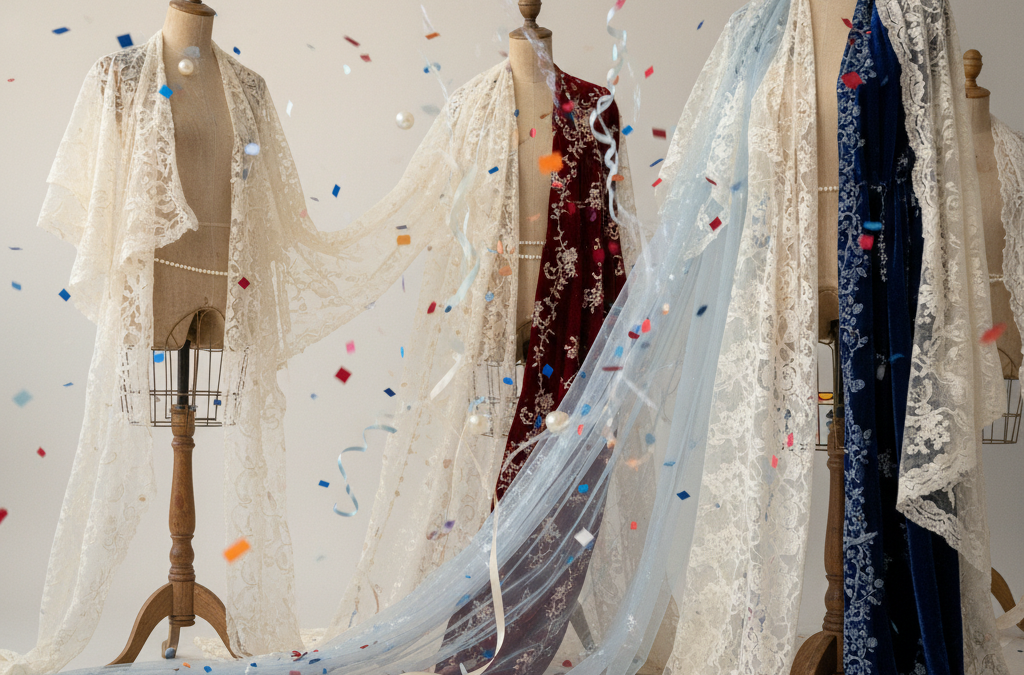
fairy tale costumes
Key Takeaways
- Fairy tale costumes turn ordinary moments into unforgettable experiences.
- These costumes represent iconic characters from classic folklore to modern Disney stories.
- The right fairy tale costume enhances both appearance and confidence.
- Wearing these outfits allows you to embody legendary characters cherished by many generations.
Table of Contents
- What Are Fairy Tale Costumes? Origins, Meaning, and Magic
- Iconic Fairy Tale Characters and Their Signature Costumes
- The Symbolism of Costuming in Fairy Tale Narratives
- Types of Fairy Tale Costumes by Audience and Occasion
- Fairy Tale Costumes in Today’s World – From Stage to Social Media
- How to Choose the Best Fairy Tale Costume for You (or Your Child)
- Practical Guide – How to Create a Fairy Tale Princess or Hero Costume at Home
- DIY Fairy Tale Accessories – Crowns, Wands, Cloaks, and More
- The Science of Comfort and Fit – How to Avoid Costume Catastrophes
- Store-bought vs. Handmade Fairy Tale Costumes – A Practical Comparison
- Fairy Tale Costumes for Groups, Families, and Couples – Themed Ideas That Wow
Fairy Tale Costumes – The Definitive Guide for Magical Transformations
Fairy tale costumes transform ordinary moments into extraordinary memories, whether you’re stepping into Cinderella’s glass slippers or donning the Beast’s regal attire. These enchanting outfits capture the timeless magic of beloved storybook characters, from classic European folklore to modern Disney adaptations. The right fairy tale costume doesn’t just change how you look, it unlocks the confidence to embody legendary characters who’ve captivated audiences for generations.
Fairy tale costumes combine iconic designs with symbolic elements, enhancing confidence and allowing wearers to embody beloved characters across various occasions and media.
Quality matters when bringing these iconic looks to life. A poorly made costume can transform your magical evening into a nightmare of torn seams, uncomfortable fabrics, and missing accessories that leave your character incomplete. For a wide selection of options, explore these fairy tale costumes and fancy dress outfits.
Check out our Fairy Tale Costumes
What Are Fairy Tale Costumes? Origins, Meaning, and Magic
Quick Answer: Fairy tale costumes are detailed recreations of iconic storybook character outfits, featuring symbolic elements like flowing gowns, magical accessories, and distinctive colors that instantly identify beloved heroes, villains, and mythical creatures from classic and modern fairy tales.
Fairy tale costumes represent more than mere clothing, they’re wearable storytelling devices that embody transformation, power, and identity. These garments draw from centuries of European folklore, where clothing served as visual shorthand for character traits: flowing white gowns signaled purity and virtue, dark cloaks suggested mystery or evil, and royal blues and golds indicated nobility and magic, much like the iconic design of the beetlejuice sandworm costume.
The evolution from oral tradition to modern media has refined these costume elements into instantly recognizable symbols. Cinderella’s ballgown represents transformation from servitude to royalty, while Red Riding Hood’s crimson cloak symbolizes both innocence and danger. Contemporary adaptations by Disney, Broadway, and Hollywood have standardized many of these looks, creating costume expectations that span generations, while modern twists are seen in popular cheap halloween costumes that keep traditions accessible.
Modern fairytale costumes blend traditional symbolism with updated comfort and style. The magic lies in how these garments allow wearers to step into archetypal roles, the brave princess, the wise fairy godmother, or the reformed villain, creating instant connection with stories that have shaped our collective imagination. For more on the cultural impact of fairy tales, see this scholarly exploration of fairy tale costume symbolism.
Iconic Fairy Tale Characters and Their Signature Costumes

The most recognizable fairy tale character costumes rely on specific visual elements that create instant identification. These signature looks have become cultural touchstones, instantly transporting viewers into beloved stories through carefully crafted details.
Princess and Hero Costumes
Classic princess costumes feature flowing gowns in signature colors: Cinderella’s powder blue ballgown with silver accents, Snow White’s yellow skirt with red bodice and blue cape, and Belle’s golden yellow ballgown. Modern additions include Elsa’s ice-blue gown with crystal details and Moana’s earth-toned warrior princess outfit. Each design incorporates specific accessories, glass slippers, red hair ribbons, or magical tiaras, that complete the transformation.
Villain and Dark Character Costumes
Fairy tale villains command attention through dramatic silhouettes and bold color schemes. Maleficent’s black horned headdress and flowing cape, the Evil Queen’s high collar and deep purple accents, and the Wicked Witch’s pointed hat and green skin create instantly recognizable antagonist looks. These costumes use sharp angles, dark fabrics, and exaggerated proportions to signal danger and power.
Magical Creature Costumes
Mythical beings offer unique costume opportunities: fairy godmothers with shimmering wings and star-tipped wands, woodland creatures like talking wolves or enchanted beasts, and magical beings like genies or dragons. These fairytale character costumes often incorporate special effects elements, LED lights, holographic fabrics, or transformative pieces that reveal hidden details.
The Symbolism of Costuming in Fairy Tale Narratives
Fairy tale costumes function as visual storytelling devices, communicating character development and plot points through fabric, color, and design. Understanding this symbolism helps create more authentic and impactful costume choices.
Transformation represents the core of fairy tale costume symbolism. Cinderella’s rags-to-riches ballgown transformation physically manifests her internal journey from oppression to empowerment. The Beast’s gradual costume evolution from monstrous to princely reflects his character growth. These visual changes allow audiences to witness internal transformation made external through clothing.
Costume Symbolism Insight: Colors carry specific meanings in fairy tale traditions, white symbolizes purity and new beginnings, red represents passion or danger, blue indicates loyalty and magic, while black suggests mystery or evil. Understanding these associations helps create more authentic character portrayals.
Modern adaptations have expanded traditional symbolism while maintaining core visual language. Contemporary fairy tale costumes might feature updated silhouettes or materials while preserving essential color schemes and symbolic accessories that maintain character recognition across cultural interpretations.
Types of Fairy Tale Costumes by Audience and Occasion
Different audiences and events require specific approaches to fairy tale costume selection. Understanding these categories ensures the perfect match between wearer, occasion, and character portrayal.
| Audience | Style Focus | Key Considerations | Best Occasion Types |
|---|---|---|---|
| Adults (16-45) | Authentic details, comfortable fit | Quality materials, complete accessories | Halloween parties, cosplay events, themed celebrations |
| Kids (3-15) | Safety, comfort, durability | Breathable fabrics, easy movement, washable | World Book Day, birthday parties, school events |
| Family Groups | Coordinated themes, mixed sizes | Matching color schemes, complementary characters | Family photos, group Halloween, themed parties |
| Premium Events | Deluxe materials, intricate details | High-end fabrics, professional finishing | Theater productions, formal costume balls |
Adult fairytale Halloween costumes prioritize visual impact and comfort for extended wear. These designs feature quality construction with breathable materials and secure fastenings that maintain their appearance throughout long events. The focus shifts toward sophisticated interpretations that capture character essence while ensuring adult wearers feel confident and comfortable.
Children’s fairy tale costumes emphasize safety and playability. Soft fabrics prevent irritation during active play, while secure but easy-to-manage closures allow independence. Parents seeking quality options benefit from costumes that include all advertised accessories, preventing disappointment when key elements are missing from cheaper alternatives. For a delightful selection, browse these kids fairy tale costumes.
Group and family costume fairytale themes create memorable shared experiences. Coordinated looks might feature the entire cast of a single story or complementary character pairings that work together visually. These approaches require careful planning to ensure each participant’s costume maintains individual character recognition while contributing to the overall group aesthetic.
Fairy Tale Costumes in Today’s World – From Stage to Social Media

Contemporary fairy tale costumes reflect evolving cultural perspectives and technological advances in costume design. Social media platforms have accelerated trend cycles, with viral costume interpretations inspiring new approaches to classic characters.
Modern adaptations embrace diverse interpretations of traditional roles. Gender-neutral fairy tale characters, culturally inclusive princess designs, and villain-positive interpretations reflect changing social values. These updated costumes maintain recognizable elements while incorporating contemporary styling that resonates with modern audiences.
Technology integration has enhanced costume possibilities through LED lighting, color-changing fabrics, and interactive elements. These innovations allow women’s fairytale costumes and other designs to incorporate magical effects that were previously impossible, creating Instagram-worthy looks that capture attention both in person and online.
The influence extends beyond costume parties into mainstream fashion, with fairy tale elements appearing in everyday clothing and high-fashion collections. This crossover has elevated costume quality expectations, driving demand for pieces that photograph well and maintain their appearance under various lighting conditions. For more creative inspiration and costume ideas, visit the Morphsuits blog.
How to Choose the Best Fairy Tale Costume for You (or Your Child)
Successful fairy tale costume selection begins with matching character personality to wearer preferences and event requirements. Consider whether the wearer gravitates toward heroic, villainous, or whimsical characters, as this preference influences comfort level and confidence while in costume.
Fit and comfort considerations prove crucial for event success. Quality costumes undergo extensive measurement testing, professional manufacturers test over 30 separate measurements per design to ensure proper fit across size ranges. This attention to detail prevents common issues like restricted movement, uncomfortable pressure points, or garments that shift during wear.
Fit Success Tip: Check that costume descriptions clearly list all included accessories before purchasing. Missing wands, crowns, or character-defining elements can derail the entire look, while complete sets ensure authentic character portrayal.
Event duration and activity level influence material and design choices. Breathable fabrics rated at 125GSM or higher provide comfort during extended wear, while secure construction prevents embarrassing wardrobe malfunctions during active celebrations. Quality manufacturers perform hundreds of thousands of annual quality checks to prevent these costume catastrophes. For more tips on choosing the right costume for any event, check out this guide to festival and event costumes.
Practical Guide – How to Create a Fairy Tale Princess or Hero Costume at Home
Creating fairy tales Halloween costumes at home requires strategic planning and quality materials to achieve professional-looking results. Start with a character analysis to identify the three most essential visual elements, typically a signature color, key accessory, and distinctive silhouette feature.
Material selection impacts both appearance and comfort. Choose fabrics with minimum 125GSM weight for durability and breathable comfort. Polyester blends offer wrinkle resistance and easy care, while cotton provides natural breathability for extended wear. Avoid thin, scratchy materials that compromise the wearing experience regardless of visual appeal.
Construction timeline varies by complexity: simple princess gowns require 2-3 hours for basic assembly, while elaborate villain costumes with multiple accessories may need 6-8 hours. Break projects into manageable phases, base garment construction, accessory creation, and final detail work, to maintain quality standards throughout the process.
Professional finishing touches elevate homemade costumes significantly. Properly hemmed edges, secure seam finishing, and quality closures prevent the “homemade” appearance that can undermine character authenticity. However, investing time in DIY projects still carries risks of fit issues, material limitations, and time constraints that quality pre-made options eliminate entirely. For more on the history and evolution of costume design, see this in-depth academic article.
DIY Fairy Tale Accessories – Crowns, Wands, Cloaks, and More

Essential fairy tale character costumes rely heavily on signature accessories that instantly communicate character identity. Creating these elements at home requires specific techniques and materials to achieve authentic-looking results.
Princess crowns demand structured foundation materials like craft foam or cardboard bases, covered with metallic spray paint or foil. Assembly time averages 15-20 minutes for basic designs, extending to 45 minutes for jeweled versions. Critical success factor: ensure proper head circumference measurement plus 1-inch overlap for secure closure.
Magic wands require dowel rods or sturdy craft sticks as foundations, topped with star cutouts or decorative elements. Ribbon wrapping in character-appropriate colors creates professional finishing. Construction time: 10-15 minutes per wand, with drying time adding 30 minutes for painted elements.
Character cloaks present the most complex DIY challenge, requiring fabric cutting, hemming, and closure installation. Simple designs need 2-3 hours construction time, while lined versions with hood attachments require 4-5 hours. However, poorly executed cloaks often appear obviously homemade, potentially undermining the entire costume’s effectiveness. If you prefer a ready-made option, explore these Halloween costume capes & hoods.
Accessory Success Strategy: Focus DIY efforts on simple elements like crowns and wands, while investing in professionally-made garments that include coordinated accessories. This approach maximizes visual impact while minimizing construction time and fit risks.
The Science of Comfort and Fit – How to Avoid Costume Catastrophes
Costume comfort failures stem from predictable material and construction inadequacies that quality manufacturers systematically address. Understanding these factors prevents event-ruining experiences and ensures adult fairy tales costumes maintain their magic throughout extended wear.
Fabric weight directly impacts breathability and durability. Materials below 125GSM typically feel thin, tear easily, and provide inadequate opacity. Professional costume manufacturers use 125GSM or higher materials to ensure soft texture, breathable comfort, and sufficient coverage that prevents embarrassing transparency issues.
Fit precision requires extensive measurement testing across diverse body types. Quality manufacturers test over 30 separate measurements per costume design, then conduct hundreds of thousands of annual quality checks to verify consistency. This systematic approach prevents common issues like binding armholes, restrictive waistlines, and inadequate length proportions.
Comfort Catastrophe Prevention: Check costume descriptions for material weight specifications and included accessories lists. Manufacturers who provide detailed specifications demonstrate quality commitment, while vague descriptions often indicate corner-cutting that compromises the wearing experience.
Temperature regulation becomes critical during active celebrations. Breathable fabric construction allows air circulation, preventing overheating that forces costume removal mid-event. Quality construction also prevents fabric pilling, color bleeding, and structural failure that can ruin both costume appearance and wearer confidence.
Store-bought vs. Handmade Fairy Tale Costumes – A Practical Comparison
| Factor | Store-bought Quality | DIY Handmade |
|---|---|---|
| Time Investment | 5-10 minutes selection | 3-8 hours construction |
| Fit Guarantee | Professional sizing tested | Trial-and-error adjustments |
| Material Quality | 125GSM+ breathable fabrics | Variable, often untested |
| Accessory Completion | All elements included | Additional time/cost required |
| Professional Appearance | Consistent quality control | Skill-dependent results |
Hidden costs of cheap alternatives include replacement purchases when initial costumes fail, additional accessory purchases for incomplete sets, and potential event disappointment from poor fit or construction failures. Quality manufacturers eliminate these risks through comprehensive testing and clear product specifications.
DIY approaches work best for simple accessories and personal customization touches, while complex garment construction benefits from professional expertise. The most successful approach often combines quality base costumes with personalized accessory additions that reflect individual creativity without compromising fundamental fit and comfort. For more costume comparisons and fun quizzes, visit this Game of Thrones quiz on our blog.
Fairy Tale Costumes for Groups, Families, and Couples – Themed Ideas That Wow

Coordinated fairytale character costumes create memorable group experiences when properly planned and executed. Successful group themes require careful character selection that provides visual cohesion while maintaining individual character recognition.
Family-friendly ensemble options include complete fairy tale casts: Beauty and the Beast family with parents as the main characters, children as enchanted objects or supporting characters. Alternative approaches feature complementary character pairings like heroes and villains from the same story, creating dynamic visual contrast. For a whimsical group option, consider the Girls Unicorn Ride On Inflatable Costume.
Couple combinations offer romantic and humorous possibilities: Prince Charming and Cinderella, Robin Hood and Marian, or playful reversals like male Cinderella and female Prince Charming. These pairings work best when both costumes share quality construction and complementary color schemes that photograph well together.
Group coordination succeeds through consistent quality levels across all participants. Mixed quality creates visual discord that can detract from the overall effect, so it’s best to ensure everyone is outfitted in costumes that meet the same high standards for fit, comfort, and appearance. This way, your group or family will truly stand out and enjoy a magical, memorable event together.
Check out our Fairy Tale Costumes
Frequently Asked Questions
What are the key symbolic elements commonly found in fairy tale costumes and what do they represent?
Fairy tale costumes often feature flowing gowns, crowns, cloaks, and magical accessories that symbolize purity, power, mystery, or transformation. These elements visually communicate a character’s role, heroes often wear light colors and elegant fabrics, while villains might don dark, dramatic attire to convey their nature.
How have traditional fairy tale costume designs evolved in modern adaptations like Disney and Broadway?
Modern adaptations have updated traditional fairy tale costumes with richer fabrics, intricate details, and vibrant colors to appeal to contemporary audiences. Disney and Broadway versions often blend classic elements with fresh styles, making costumes more dynamic and wearable while preserving the iconic look that fans recognize and love.
What should I consider when choosing between store-bought and handmade fairy tale costumes?
Choosing between store-bought and handmade costumes depends on your priorities for fit, quality, and convenience. Store-bought costumes offer tested sizing, durable materials, and complete accessories that ensure a polished look, while handmade options allow for customization but may require more time and skill to achieve the same level of finish.
How can I ensure comfort and avoid common issues when wearing a fairy tale costume?
To stay comfortable, opt for costumes made from breathable, soft materials with tested fits that accommodate movement. Look for clear details on included accessories to avoid surprises, and avoid costumes with itchy fabrics or poor construction that can lead to tears or discomfort during your event.
About the Author
Joe is the chief contributing writer for the MorphCostumes Blog.
MorphCostumes is the Costume Brand that gives you the costumes that make your best times in life even better.
We are the brand for people who want to make Halloween, Christmas, Easter, Birthdays or BBQ Parties even better with great costumes and have won many awards.
We know that many people have experienced having these events ruined by a rubbish costume they have bought online from a no-brand Chinese factory. The costume might turn up not looking like it was advertised, badly fitting, of poor quality so it tears easily. The material may be see-through, non-breathable or itchy. It also might be missing key accessories that complete the look.
MorphCostumes ensures that it makes your best times better by doing the following:
- Having thousands of innovative and unique costume designs.
- Ensuring fit by testing 30 or more separate measurements on each costume design.
- Guaranteeing quality by performing over 500,000 in-person quality checks each year.
- Always using 125 GSM or more material for a soft, breathable and quality feel.
- Always being clear on what is included in the costume so you are never disappointed.
Through sticking to these values since launching in 2009, we have won awards such as Disney Product of the Year, and the business has been recognised as an Ernst & Young Entrepreneur of the Year finalist (twice), featured on the FEBE 100 fastest growing companies list (twice), the Sunday Times Fast Track, and the Maserati Top Companies List.
We have also appeared across publications such as the Wall Street Journal, CNBC, BBC, Wired, BuzzFeed, The Times, The Telegraph, The Financial Times, and The Guardian.
Last reviewed: September 1, 2025 by the Morphsuits Costumes Team
