


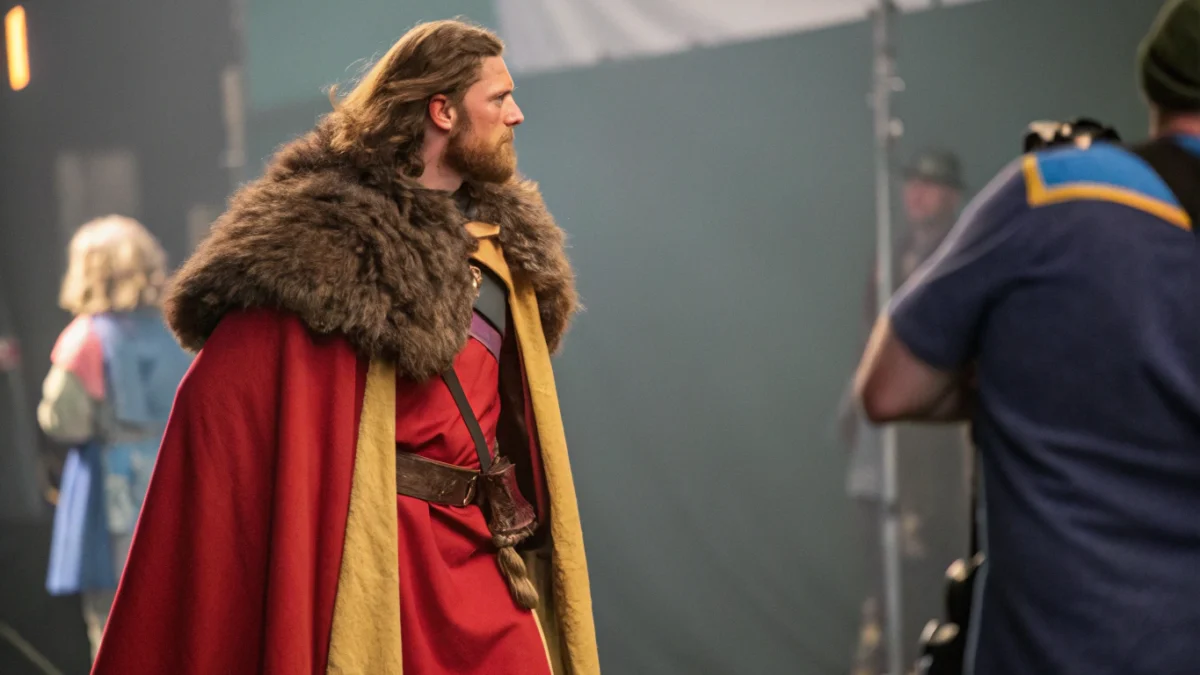
game of thrones costumes
Introduction to Game of Thrones Costumes
Game of thrones costumes have become the gold standard for fantasy costume design, transforming how we think about bringing epic worlds to life through clothing. When HBO’s groundbreaking series premiered on April 17, 2011, it didn’t just revolutionize television storytelling—it set a new benchmark for costume craftsmanship that continues to influence designers and fans worldwide. Whether you’re planning your next halloween costume game of thrones tribute or diving deep into the artistry behind Westeros fashion, understanding these iconic designs reveals the meticulous attention to detail that made the show a cultural phenomenon.Key Takeaways
- Game of Thrones costumes have set a new standard for fantasy costume design.
- The series premiered on April 17, 2011, revolutionizing television storytelling and costume craftsmanship.
- These costumes continue to influence designers and fans around the world.
- Game of Thrones costumes are essential for authentic Halloween or tribute outfits.
- The designs showcase meticulous attention to detail that contributed to the show’s cultural impact.
Table of Contents
- Introduction to Game of Thrones Costumes
- Design Philosophy and Worldbuilding Through Costume
- Iconic Character Costume Evolution
- Game of Thrones Costumes in Popular Culture
- Crafting Authentic Game of Thrones Costume Looks
- Game of Thrones Costume Legacy
- Professional Costume Making vs DIY Approaches
- Future of Game of Thrones Costume Culture
Cultural Impact and Significance
The cultural significance of game of thrones costumes extends far beyond television screens. These designs have fundamentally altered how audiences engage with fantasy content, creating a new standard where viewers expect costume work to carry narrative weight. Each piece tells a story—from Cersei Lannister’s evolution from soft pastels to commanding crimsons, reflecting her journey from naive queen to ruthless ruler, to Jon Snow’s progression from bastard’s simple leathers to the ornate furs befitting a King in the North. What makes these costumes particularly remarkable is their ability to create distinct cultural identities within the fantasy realm. The practical, fur-lined garments of the North speak to harsh winters and pragmatic people, while the intricate embroideries and flowing silks of the South reflect wealth, leisure, and political maneuvering. This attention to regional authenticity has inspired countless got costumes for fans seeking to embody their favorite characters, from elaborate cosplay recreations to clever halloween interpretations. The ripple effects have been profound. Fashion designers now reference Westerosi aesthetics in runway collections, while costume designers across the industry cite Game of Thrones as a turning point in how fantasy projects approach wardrobe. The show proved that audiences would invest emotionally in characters whose clothing told stories as compelling as their dialogue—sparking renewed interest in medieval-inspired looks, including the timeless appeal of a knight costume, which blends historical symbolism with dramatic flair.Design Philosophy and Worldbuilding Through Costume

Regional Authenticity and Cultural Distinction
The genius of game of thrones costumes lies in their ability to instantly communicate cultural identity without exposition. When audiences first encountered the Dothraki, their costume design immediately conveyed a nomadic warrior culture through practical leather work, horsehair decorations, and clothing designed for mounted combat. The contrast with Daenerys’s initial Pentos silks told a complete story about cultural displacement and adaptation. This regional specificity extended to color palettes that became character signatures. The Stark grays and blues evoked the cold, honorable North, while Lannister crimsons and golds screamed wealth and power. These weren’t arbitrary choices but carefully considered decisions that helped viewers navigate the complex political landscape of Westeros. Similarly, Roaring 20s outfits often featured distinct color themes and accessories—like flapper fringe, art deco patterns, or pinstripe suits—that reflected social status, occasion, and cultural shifts of the Jazz Age. The approach differed markedly from other fantasy productions that often prioritized spectacle over authenticity. Where other series might have dressed characters in generically “medieval” clothing, Game of Thrones created distinct sartorial languages for each culture. This attention to detail has made game of thrones costume women and men’s options particularly popular for themed events, as each character’s look tells a complete story about their origins and loyalties.Iconic Character Costume Evolution
The true artistry of game of thrones men’s costumes and women’s designs becomes apparent when examining how individual characters’ wardrobes evolved alongside their narrative arcs. Costume became character development made visible, with each season bringing subtle shifts that reflected internal changes and external circumstances.Cersei Lannister: Power Through Fashion
Perhaps no character demonstrated the storytelling power of costume more effectively than Cersei Lannister. Her early appearances featured soft, feminine silhouettes in pastels and gentle golds—the wardrobe of a woman playing the role expected of her. As her true nature emerged and circumstances forced her to claim power directly, her costumes transformed accordingly. The colors deepened to rich crimsons and burnished golds, while silhouettes became more structured and armor-like. By the series’ end, Cersei’s final costume designs incorporated actual armor elements, with metallic detailing and rigid construction that literally and figuratively armored her against the world. This evolution has made her various looks among the most sought-after game of thrones halloween costume options, as each phase of her wardrobe tells a distinct story about power, femininity, and survival.Daenerys Targaryen: Cultural Adaptation and Destiny
Daenerys Targaryen’s costume journey represented one of the most complex character arcs translated through clothing. Beginning in the flowing silks appropriate to a Pentoshi merchant’s “gift,” her wardrobe quickly adapted to Dothraki aesthetics with leather work and horsehair details. This wasn’t mere costume change but visual storytelling about cultural assimilation and survival. As her power grew, her costumes began incorporating dragon motifs and Targaryen colors, but always filtered through the practical needs of her current circumstances. Her liberation of Slaver’s Bay brought more regal elements, while her eventual journey to Westeros saw the full emergence of Targaryen royal aesthetics. Each phase has inspired different approaches to got costume ideas, from the exotic Dothraki-influenced looks to the commanding dragon queen aesthetics of her final seasons.Jon Snow: Bastard to King
Jon Snow’s costume evolution perfectly illustrated how clothing could reflect both internal growth and external recognition. His early Night’s Watch blacks were functional and humble, appropriate for a bastard seeking purpose. As he gained respect and responsibility, subtle additions appeared—better-quality leather, more sophisticated fastenings, small decorative elements that suggested growing status without abandoning his essential character. His eventual recognition as King in the North brought the most dramatic costume shift, with the addition of elaborate furs and the distinctive white wolf cloak that became iconic. Yet even in royal garb, his costumes retained the practical, unpretentious elements that defined his character. This balance between humility and authority has made Jon Snow among the most popular halloween costumes game of thrones fans choose, particularly for those who appreciate subtle storytelling through design.Game of Thrones Costumes in Popular Culture

Most Popular Character Costumes
Certain characters have emerged as perennial favorites for game of thrones family costumes and individual interpretations. Arya Stark’s various looks offer versatility that appeals to different skill levels and budgets. Her early noble dress provides an accessible entry point, while her Faceless Man aesthetic challenges more advanced costume makers. The addition of Needle as a prop completes the transformation and adds an interactive element that enhances the overall effect. Hodor costumes have gained legendary status, particularly the clever “Hodor and a door” variations that play on the character’s tragic final moments. These interpretations demonstrate how fans can blend humor with homage, creating memorable looks that celebrate both the character and the series’ cultural impact. The simplicity of the basic Hodor aesthetic makes it accessible while leaving room for creative embellishments. Daenerys Targaryen remains a top choice for those seeking dramatic impact. Her signature blue dress from the early seasons offers elegance and recognizability, while her later dragon queen armor provides opportunities for more elaborate construction. The addition of dragon props—whether store-bought or handcrafted—transforms a good costume into an unforgettable one.Group and Family Costume Opportunities
The rich ensemble cast of Game of Thrones provides endless opportunities for coordinated group costumes. Families can embody entire houses, with parents and children representing different generations of Starks, Lannisters, or Targaryens. These game of thrones characters outfits work particularly well because each house has distinctive color schemes and design elements that create visual cohesion while allowing individual expression. Friend groups often gravitate toward themed combinations like the Night’s Watch, the Small Council, or the various queens of Westeros. These groupings work because they represent natural alliances or organizations within the series, making the costume choices feel authentic rather than arbitrary. The key to successful group costumes lies in balancing individual character recognition with overall thematic unity. Creative interpretations have emerged that blend multiple characters or time periods. Some groups choose to represent the same character across different seasons, showing costume evolution in a single presentation. Others create “what if” scenarios, imagining how characters might have dressed in different circumstances or locations within the Westeros world.Crafting Authentic Game of Thrones Costume Looks
Creating convincing got costumes requires understanding the underlying design principles that made the original pieces so compelling. The key lies in layering—both literal fabric layering and the layering of authentic details that create believable lived-in looks. Professional costume designers spend considerable time aging and weathering pieces to avoid the “fresh from the costume shop” appearance that breaks immersion. Fabric choice plays a crucial role in achieving authenticity. Natural fibers like wool, linen, and leather not only look more convincing but also behave more realistically than synthetic alternatives. The way these materials drape, wrinkle, and catch light contributes significantly to the overall effect. While budget constraints might require compromises, prioritizing natural fibers for the most visible elements typically yields the best results. Color accuracy extends beyond simply matching screen appearances. The series used specific color palettes to convey information about characters and their circumstances. Understanding these color languages—the muted earth tones of the North, the rich jewel tones of the South, the blacks and grays of the Night’s Watch—helps create costumes that feel authentically part of the Westeros world rather than generic medieval fantasy.Essential Accessories and Props
The difference between a good game of thrones halloween costumes and a great one often lies in the accessories. Weapons, jewelry, and other props serve as instant character identifiers that can elevate even simple base costumes. A well-crafted sword can transform a basic tunic into a convincing warrior outfit, while the right jewelry can suggest noble status without requiring elaborate gowns. Hair and makeup considerations deserve special attention, as these elements were crucial to character identity in the series. Elaborate braids, specific color palettes, and distinctive styling choices help complete character transformations. Wigs offer flexibility for those unwilling to commit to dramatic hair changes, while temporary color options provide middle-ground solutions. Weather considerations often get overlooked but significantly impact costume success. The heavy furs and layers that look magnificent on screen might prove impractical for warm climates or indoor parties. Successful costume adaptations balance screen accuracy with practical wearability, finding creative solutions that maintain visual impact while ensuring comfort.Budget-Friendly Approaches
Creating impressive halloween game of thrones looks doesn’t require unlimited budgets or professional costume-making skills. Thrift stores often provide excellent base pieces that can be modified with relatively simple techniques. Basic tunics, cloaks, and accessories can be transformed with strategic additions of trim, weathering, and character-specific details. DIY approaches work particularly well for certain character types. The Night’s Watch aesthetic relies heavily on black clothing and practical accessories that can be assembled from everyday items. Wildling looks embrace the rough, handmade aesthetic that actually benefits from amateur construction techniques. These character choices, including a Stranger Things Costume, allow beginners to create convincing costumes while developing skills for more ambitious future projects. Collaboration within friend groups or families can stretch budgets and skills effectively. Sharing resources, tools, and expertise allows groups to tackle more ambitious projects while distributing costs and labor. This approach often results in more cohesive group costumes since all pieces are created with the same materials and techniques.Game of Thrones Costume Legacy
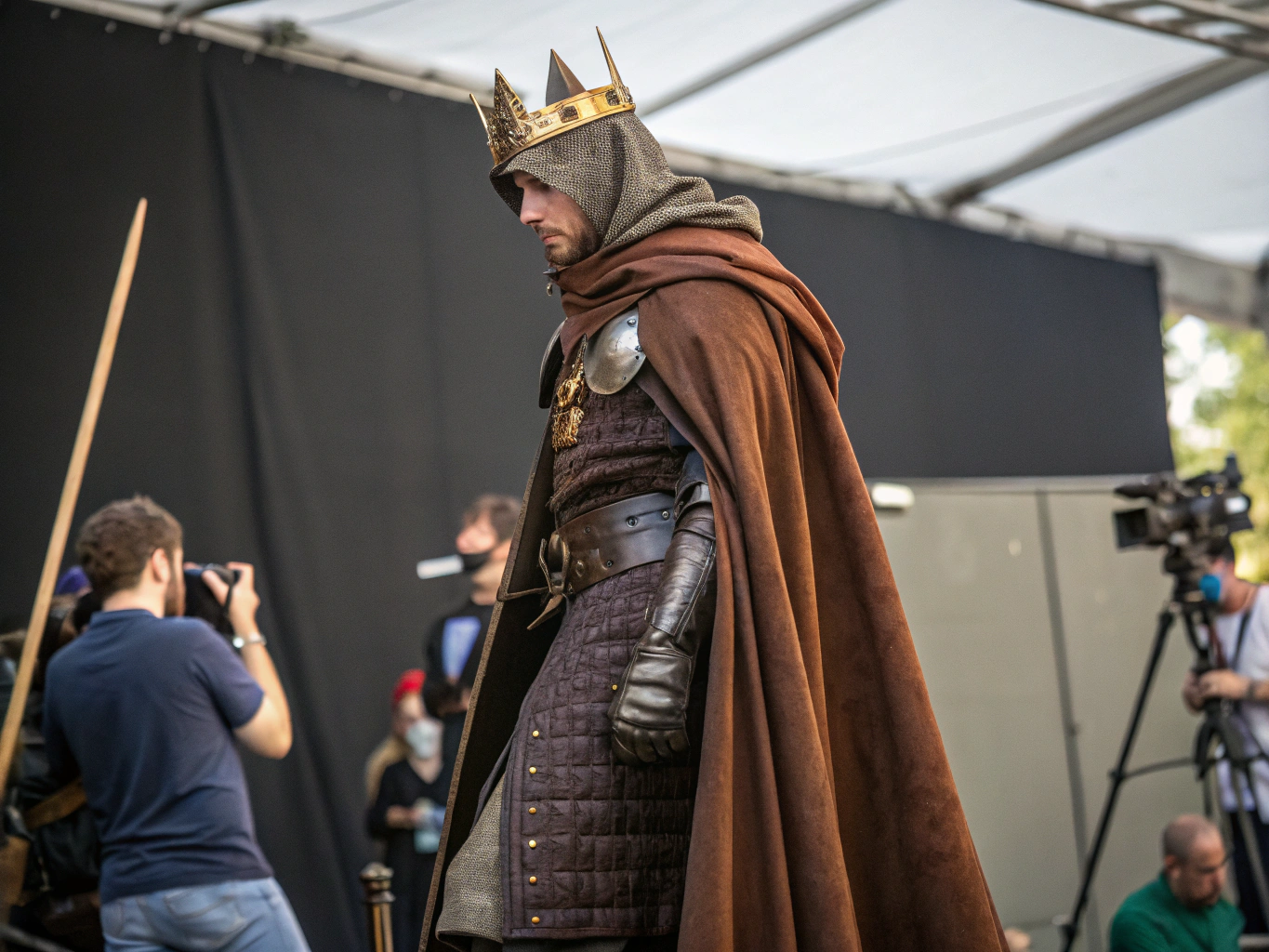
Seasonal and Occasion-Specific Adaptations
The versatility of game of thrones costumes extends beyond traditional Halloween celebrations into year-round costume opportunities. Renaissance fairs provide perfect venues for showcasing more elaborate Westeros creations, where the medieval aesthetic feels naturally at home among other period costumes. Comic conventions have embraced Game of Thrones cosplay with dedicated contests and meetups, creating communities where craftsmanship and creativity receive proper recognition. Winter themed parties offer unique opportunities to showcase the practical beauty of Northern house aesthetics. Stark family costumes work particularly well for cold weather events, where the heavy furs and layered clothing serve both costume and comfort purposes. These seasonal considerations demonstrate how thoughtful costume selection can enhance both authenticity and practicality. Corporate events and themed parties have increasingly embraced fantasy elements, making got costume ideas appropriate for professional entertainment contexts. The sophisticated design elements and rich color palettes translate well to upscale venues, while the recognizable character silhouettes ensure broad appeal across diverse audiences.International and Cultural Variations
Different regions have developed unique approaches to interpreting game of thrones halloween costume elements based on local materials, climate considerations, and cultural preferences. European costume makers often emphasize historical accuracy, drawing connections between Westeros fashion and actual medieval European clothing traditions. This approach results in costumes that feel grounded in real historical precedent while maintaining fantasy elements. Asian cosplay communities have brought exceptional attention to detail and craftsmanship standards that push the boundaries of amateur costume making. The precision and artistry displayed in these interpretations often rival professional costume work, setting new benchmarks for what dedicated fans can achieve. These high standards have influenced global costume communities, raising expectations and inspiring innovation worldwide. Climate adaptations showcase creative problem-solving within the costume community. Tropical regions have developed lightweight versions of heavy Westeros clothing, using alternative materials and construction techniques that maintain visual impact while ensuring wearability. These adaptations demonstrate how beloved costume concepts can be modified without losing their essential character.Professional Costume Making vs DIY Approaches
The divide between professional and amateur costume creation has blurred significantly since Game of Thrones popularized complex fantasy costumes. Professional costume makers now regularly share techniques and insights through online tutorials, making previously guarded trade secrets accessible to enthusiastic amateurs. This knowledge transfer has elevated the overall quality of fan-made costumes while inspiring professionals to push their own creative boundaries. DIY approaches offer unique advantages that even professional alternatives cannot match. The personal investment in creating your own halloween costumes game of thrones builds deeper connections to both the character and the crafting process. Hand-made elements carry stories and memories that purchased costumes cannot replicate, adding personal significance that enhances the wearing experience. Professional services have adapted to meet the demand for high-quality Game of Thrones replicas, offering everything from screen-accurate reproductions to custom interpretations. These services bridge the gap between amateur capabilities and professional results, providing options for those who want exceptional quality without developing advanced crafting skills themselves.Time Investment Considerations
Creating authentic-looking game of thrones men’s costumes or women’s variations requires realistic time planning that many first-time costume makers underestimate. Simple character interpretations might require 20-40 hours of work, while elaborate gowns or armor pieces can demand 100+ hours of dedicated effort. Understanding these time commitments helps ensure project success and prevents last-minute rushing that compromises quality. Seasonal planning becomes crucial for ambitious costume projects. Starting preparations months in advance allows for proper material sourcing, skill development, and iterative improvements that separate exceptional costumes from merely adequate ones. This extended timeline also permits the kind of attention to detail that makes costumes truly memorable. Skill development represents a significant but rewarding aspect of the costume-making journey. Each project builds capabilities that enhance future creations, making the time investment compound over multiple costume seasons. Many costume makers find that their Game of Thrones projects serve as gateways to broader interests in historical clothing, textile arts, and creative expression.Community and Social Aspects
The social dimensions of game of thrones halloween costumes extend far beyond wearing them to events. Online communities provide spaces for sharing progress photos, troubleshooting construction challenges, and celebrating completed projects. These interactions create lasting friendships built around shared creative interests and mutual appreciation for craftsmanship quality. Local costume groups and guilds offer in-person support that complements online resources. Workshop sessions, skill-sharing meetups, and group projects provide hands-on learning opportunities that accelerate skill development while building local creative communities. These relationships often extend beyond costume making into broader friendships and collaborative creative endeavors. Competition elements, whether formal contests or informal social media showcases, motivate costume makers to push their creative boundaries while celebrating exceptional work within the community. These competitive aspects foster innovation and skill development while maintaining the supportive, collaborative spirit that characterizes the best costume communities.Future of Game of Thrones Costume Culture
The enduring popularity of games of thrones halloween costumes suggests that this cultural phenomenon will continue evolving long after the series conclusion. Upcoming spin-off productions will likely introduce new costume elements and character options, refreshing interest while building upon the established aesthetic foundation. These new additions will provide costume makers with fresh challenges and creative opportunities. Technological advances continue to enhance costume-making capabilities, from 3D printing for armor components to LED integration for dramatic lighting effects. These tools make previously impossible effects achievable for amateur costume makers while opening new creative possibilities that push beyond screen-accurate reproduction into original interpretation and enhancement. The influence of Game of Thrones costume design on broader fashion and entertainment continues expanding, ensuring that the aesthetic principles and creative approaches pioneered by the series will influence costume culture for years to come. Whether through direct character recreation or inspired original designs, the series has permanently elevated expectations and possibilities for fantasy costume work. The legacy of Game of Thrones costumes extends far beyond entertainment into genuine cultural impact. These designs have inspired countless individuals to explore their creativity, develop new skills, and connect with like-minded communities. As we continue celebrating and reinterpreting these iconic looks, we participate in a living tradition that honors exceptional artistry while encouraging personal creative expression. The Iron Throne may be gone, but the creative kingdom it inspired continues to flourish in costume communities worldwide. For a deeper dive into the artistry and history, check out this in-depth analysis of Game of Thrones costumes.Check out our Historical Costumes
Frequently Asked Questions
Where are the Game of Thrones costumes now?
Many of the original Game of Thrones costumes are preserved and displayed in museums or special exhibitions around the world, such as the HBO Experience pop-ups and the Museum of Pop Culture in Seattle. Some costumes have been auctioned off or kept by the actors as memorabilia, while others remain with the production company for future use or archival purposes.How do people dress in Game of Thrones?
In Game of Thrones, clothing varies greatly by region and status, reflecting the medieval-inspired fantasy world. Characters from noble houses wear richly detailed, layered garments often made from velvet, leather, and fur, while common folk dress in simpler, practical attire. The costumes are designed to convey personality, allegiance, and the harsh climates of places like Winterfell or King’s Landing.Who has the most appearances in Game of Thrones?
Jon Snow, portrayed by Kit Harington, is one of the characters with the most appearances throughout the series, featuring prominently in all eight seasons. Other key characters with numerous appearances include Tyrion Lannister and Daenerys Targaryen, who are central to many of the show’s major storylines from start to finish.Which is the best scene in Game of Thrones?
The ‘Battle of the Bastards’ from Season 6 is often hailed as the best scene in Game of Thrones due to its intense choreography, emotional stakes, and stunning cinematography. Fans also praise moments like the Red Wedding and Daenerys’s dragon attack on King’s Landing for their dramatic impact and storytelling brilliance.Did cersei wear a wig in Game of Thrones?
Yes, Lena Headey, who played Cersei Lannister, wore wigs throughout the series to achieve the character’s distinctive hairstyles. The wigs helped reflect Cersei’s evolving status and personality, from intricate noble styles to the shorter, more severe look she adopts later in the story. This transformation makes Cersei an iconic figure for Halloween Costumes for Girls, especially for those looking to recreate her bold and powerful looks.Why is Daenerys wearing jeans?
Daenerys Targaryen never wore jeans in Game of Thrones, as the show is set in a fantasy medieval world where denim jeans do not exist. Any images or references to her wearing jeans are likely from fan art, modern reinterpretations, or behind-the-scenes moments not related to the actual series costume design. For those looking to recreate her iconic looks, Girls Halloween Costumes inspired by Daenerys, such as her flowing gowns and dragon accessories, are a popular choice.About the Author
Joe is the chief contributing writer for the MorphCostumes Blog. MorphCostumes is the Costume Brand that gives you the costumes that make your best times in life even better. We are the brand for people who want to make Halloween, Christmas, Easter, Birthdays or BBQ Parties even better with great costumes. We know that many people have experienced having these events ruined by a rubbish costume they have bought online from a no-brand Chinese factory. The costume might turn up not looking like it was advertised, badly fitting, of poor quality so it tears easily. The material may be see-through, non-breathable or itchy. It also might be missing key accessories that complete the look. MorphCostumes ensures that it makes your best times better by doing the following:- Having thousands of innovative and unique costume designs.
- Ensuring fit by testing 30 or more separate measurements on each costume design.
- Guaranteeing quality by performing over 500,000 in-person quality checks each year.
- Always using 125 GSM or more material for a soft, breathable and quality feel.
- Always being clear on what is included in the costume so you are never disappointed.
