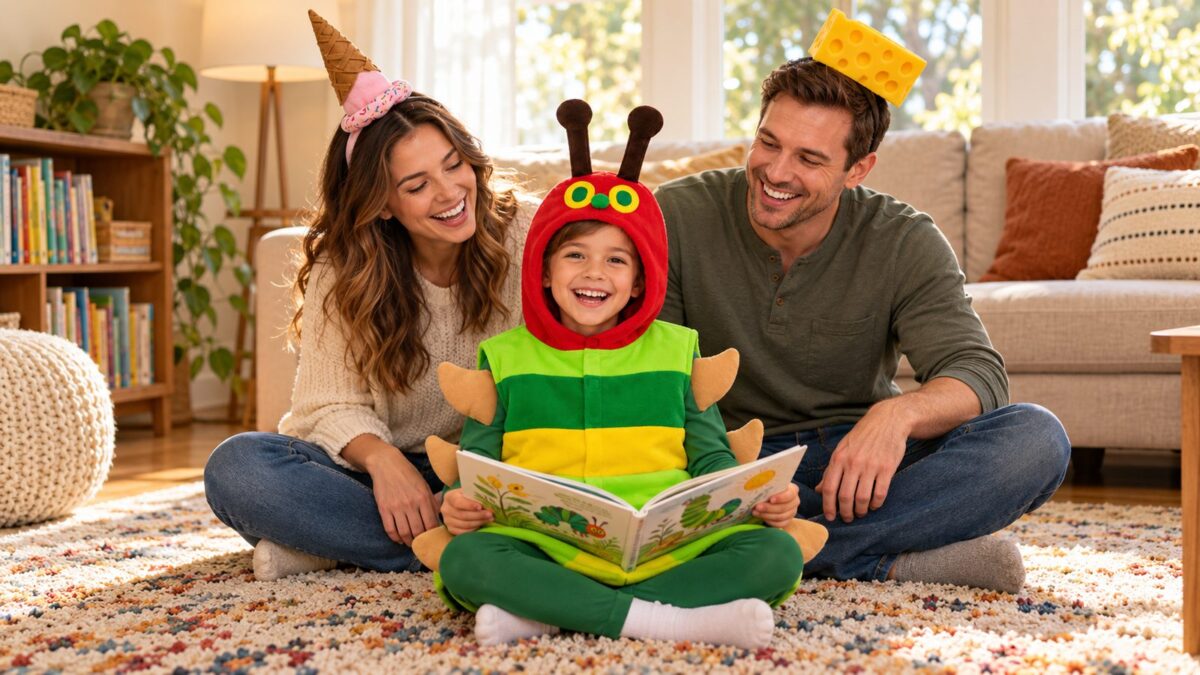
Hungry Caterpillar Costume: 5 Easy DIY Ideas That Work 2026

Quick Answer: A hungry caterpillar costume can be made using green felt circles sewn or glued to a base shirt, paired with a red beanie decorated with antennae and facial features. The most popular DIY methods include no-sew versions using felt and fabric glue, sewn versions for durability, and inflatable options for maximum impact.

Why Hungry Caterpillar Costumes Are Timeless

Eric Carle’s beloved children’s book “The Very Hungry Caterpillar” has been captivating readers for over 50 years, and its iconic character continues to be one of the most requested costume choices for Halloween, World Book Day, and school events. The hungry caterpillar costume offers something special that few other character costumes can match: instant recognition paired with creative flexibility.

Key Takeaways

  • A hungry caterpillar costume can be created using green felt circles attached to a base shirt and a red beanie decorated with antennae and facial features.
  • Popular DIY methods include no-sew versions with fabric glue, sewn versions for durability, and inflatable options for a dramatic effect.
  • The costume is timeless due to the enduring popularity of Eric Carle’s “The Very Hungry Caterpillar” book, loved for over 50 years.
  • The hungry caterpillar costume is widely chosen for Halloween, World Book Day, and school events because of its instant recognition and creative flexibility.

What makes this costume so appealing? The vibrant green body segments, cheerful red head, and whimsical antennae create a look that’s both simple enough for beginners and detailed enough to satisfy experienced crafters. Unlike many character costumes that require precise replication, the very hungry caterpillar costume embraces the handmade, slightly imperfect charm that mirrors Eric Carle’s distinctive collage art style.

Parents love this costume choice because it works brilliantly for group themes – imagine a family where one person wears the caterpillar costume adult version while another sports butterfly wings representing the transformation. Kids adore it because it’s comfortable, colorful, and connects to a story they know by heart. The costume also scales beautifully from tiny toddlers to full-grown adults, making it perfect for family costume coordination.

Pro Tip: The beauty of a hungry caterpillar costume lies in its forgiving nature. Unlike superhero costumes that need to look “perfect,” this costume actually looks more authentic when it has that handcrafted, slightly wonky appearance that matches Eric Carle’s artistic style.

The costume’s versatility extends beyond just wearing it. You can create a caterpillar costume adult version for office parties, design a delicate version for babies’ first Halloween, or go all-out with an inflatable caterpillar costume that’s guaranteed to turn heads. The core elements remain the same: green body segments, red head, and those distinctive antennae that make everyone smile.

Understanding the Classic Caterpillar Look

morphsuits.com/blog/wp-content/uploads/2025/07/candid_collage_style_caterpillar_with_vibrant_text.webp”
alt=”Candid collage-style caterpillar with vibrant textures, floating jewel-toned confetti, soft blurred background.”
/>

Before diving into DIY methods, it’s essential to understand what makes a hungry caterpillar costume instantly recognizable. The signature look draws directly from Eric Carle’s illustrations, featuring specific color combinations and proportions that have become iconic over the decades.

The classic caterpillar costume consists of several key elements. The body features multiple green segments, typically in varying shades to create visual interest and depth. These segments should appear rounded and plump, suggesting the caterpillar’s well-fed state from munching through all that food in the story. The head is always bright red, creating a striking contrast against the green body, while the antennae are usually purple or green and positioned prominently on top. For a version designed especially for little ones, check out these
Baby Halloween Costumes Girl that bring the beloved character to life in an adorable and age-appropriate way.

What sets a quality hungry caterpillar costume apart from generic green costumes is attention to these authentic details. The facial features should be simple but expressive – large, friendly eyes and a small nose or mouth that conveys the character’s gentle nature. Many successful DIY versions incorporate Eric Carle’s tissue paper collage technique by layering different shades of green felt or fabric to create that distinctive textured appearance.

The proportions matter too. The body segments should be substantial enough to create that characteristic “chunky” caterpillar silhouette, while the head should be proportionally large to match the book’s illustrations. This is where many store-bought versions fall short – they often lack the generous proportions that make the character so endearing.

For adult caterpillar costume designs, maintaining these childlike proportions while ensuring comfort and mobility requires some creative problem-solving. The most successful adult versions either embrace an oversized, playful look or adapt the design into a more wearable format like a tunic or dress decorated with the characteristic segments.

Choosing Your DIY Approach

When planning your hungry caterpillar costume, the first decision involves choosing between different construction methods. Each approach offers distinct advantages depending on your skill level, available time, and intended use. Understanding these options upfront will help you select the method that best fits your situation.

The no-sew method has become increasingly popular for good reason. Using felt pieces, fabric glue, and basic craft supplies, you can create an impressive caterpillar costume in just a few hours. This approach works particularly well for one-time events or when working with children who want to participate in the creation process. The materials are forgiving, mistakes are easily corrected, and the final result captures that handmade charm perfectly.

For those with sewing skills, the sewn approach offers superior durability and a more polished finish. This method allows for better fitting, stronger construction, and the ability to create more complex details like dimensional segments or structured antennae. Sewn versions also hold up better to active wear, making them ideal for events where the costume will see heavy use.

The hybrid approach combines elements of both methods, using sewing for structural elements while relying on glue or iron-on applications for decorative details. This method offers a good balance between durability and accessibility, allowing those with basic sewing skills to create impressive results without advanced techniques.

Consider your timeline carefully when choosing your approach. A no-sew hungry caterpillar costume can be completed in an afternoon, while sewn versions typically require a full weekend. Factor in drying time for glues and paints, as rushing these steps often leads to disappointing results. The most successful DIY costumes are those where the creator allows adequate time for each step of the process.

Essential Materials and Tools

morphsuits.com/blog/wp-content/uploads/2025/07/craft_table_with_colorful_fabrics_felt_shapes_butt.webp”
alt=”Craft table with colorful fabrics, felt shapes, buttons, and craft supplies in bright, textured setting.”
style=”width: auto; max-width: 100%; height: auto; max-height: 500px; display: block; margin-left: auto; margin-right: auto;”
/>

Creating a successful hungry caterpillar costume starts with gathering the right materials. The beauty of this DIY project lies in its accessibility – most supplies can be found at your local craft store or even repurposed from items around your home. Having everything ready before you begin will make the construction process smoother and more enjoyable.

For the body segments, you’ll need green materials in various shades. Felt works exceptionally well because it’s easy to cut, doesn’t fray, and comes in multiple green tones that can be layered for authentic texture. If you’re going the no-sew route, craft felt is perfect, while those planning to sew should opt for felt by the yard or cotton fabrics in coordinating greens. Paper can substitute for felt in last-minute situations, though it’s less durable.

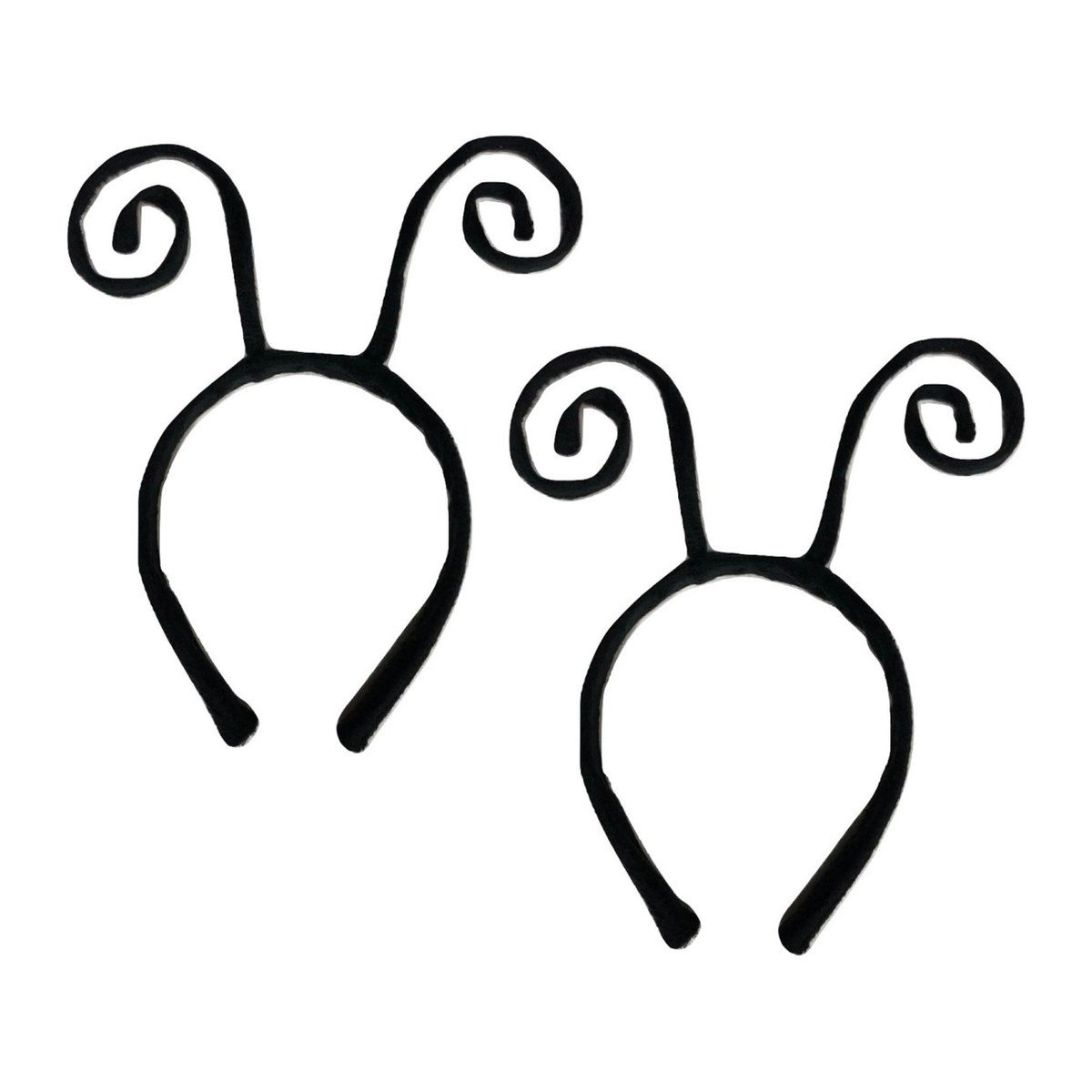
The head piece requires red materials – a red beanie or knit cap provides the perfect base for most designs. You’ll also need black felt or paper for the eyes, and orange or yellow for the nose. Purple or green pipe cleaners create excellent antennae, though you can also craft these from felt strips stuffed with batting.

Construction supplies vary by method. No-sew approaches require fabric glue, hot glue gun with extra glue sticks, and safety pins for adjustments. Sewn versions need basic sewing supplies: thread in matching colors, needles, scissors, and possibly elastic for waistbands. Both methods benefit from having cardboard for templates and patterns.

Pro Tip: Visit craft stores during back-to-school season for the best selection of green felt and supplies. Many stores offer bulk discounts on felt pieces, which is perfect since you’ll need multiple shades of green for an authentic look.

Don’t forget about comfort and fit considerations. For caterpillar costume adult versions, you’ll want a base layer like a green shirt or dress to build upon. Elastic waistbands or drawstrings help accommodate different body sizes, while safety pins allow for quick adjustments during wear. Consider the weather and venue when selecting materials – lightweight options for indoor events, warmer fabrics for outdoor trick-or-treating.

Five Easy DIY Methods

These five approaches to creating a hungry caterpillar costume range from ultra-simple to more detailed, ensuring there’s a perfect method for every skill level and timeline. Each method produces authentic-looking results while accommodating different preferences for durability, cost, and construction time.

Method One – Paper Plate Segments

This ingenious approach uses paper plates as the foundation for body segments, creating perfect circles with minimal cutting required. Paint standard paper plates in various shades of green, or cover them with green tissue paper using decoupage techniques for added texture. Once dry, attach the plates to a base shirt using fabric glue or safety pins.

The paper plate method works exceptionally well for children’s costumes because the plates are lightweight and the rounded shape naturally creates that plump caterpillar silhouette. For adult caterpillar costume applications, use larger plates or layer multiple plates for more substantial segments. This method typically takes 2-3 hours including drying time and costs under $15 for materials.

Method Two – Felt Circle Overlay

Cut large circles from felt in varying shades of green, then layer them onto a base garment to create dimensional body segments. This method offers the most authentic look because felt’s texture closely mimics Eric Carle’s illustration style. Use fabric glue to attach circles, overlapping them slightly for a natural segmented appearance.

The felt overlay approach provides excellent durability while remaining accessible to beginners. You can create additional visual interest by cutting smaller circles in contrasting greens and layering them on top of the base circles. This technique works particularly well for very hungry caterpillar costume adults because the proportions scale beautifully to larger sizes.

Method Three – Stuffed Tube Construction

For those comfortable with basic sewing, creating a tube-style costume offers superior fit and comfort. Sew together strips of green fabric to create a wide tube, then stuff sections with batting or fabric scraps to create individual segments. Tie off between segments using elastic or ribbon to define the caterpillar’s characteristic shape.

This method produces the most professional-looking results and works exceptionally well for adult caterpillar costumes where comfort and mobility are priorities. The tube construction allows for easy movement while maintaining the costume’s shape throughout wear. Construction time runs 4-6 hours, but the result is a costume that can be worn repeatedly.

Method Four – Balloon and Fabric Technique

Create lightweight, perfectly round segments by covering inflated balloons with fabric or felt, then deflating the balloons once the covering is secure. This method produces incredibly authentic-looking segments with minimal weight. Use fabric glue or spray adhesive to attach green fabric to partially inflated balloons, allow to dry completely, then carefully deflate and remove the balloons.

The balloon technique creates segments with natural dimension and flexibility. While it requires patience during the drying process, the results are impressive and the final costume is surprisingly comfortable to wear. This method works well for both children and hungry caterpillar costume adult versions.

Method Five – Pool Noodle Base

Transform foam pool noodles into caterpillar segments by cutting them into sections and covering with green fabric or felt. This method creates substantial, lightweight segments that maintain their shape beautifully. Secure the fabric covering with fabric glue or by sewing simple sleeves that slide over the noodle sections.

Pool noodle construction offers excellent durability and creates impressive visual impact. The segments can be attached to a base garment or strung together to create a wearable caterpillar body. This method works particularly well for caterpillar costume adults who want a costume that makes a statement while remaining comfortable for extended wear.

Construction Comparison Guide


Hands weaving colorful threads and assembling wooden blocks against a soft gradient background.

Understanding the trade-offs between different construction methods helps you choose the approach that best fits your specific needs, timeline, and skill level. Each method offers distinct advantages, and the “best” choice depends entirely on your priorities and circumstances.

No-Sew Methods

  • Quick completion – finished in 2-4 hours
  • Beginner-friendly with minimal skills required
  • Easy to involve children in the creation process
  • Mistakes are easily corrected or covered
  • Lower cost due to simple materials

Sewn Methods

  • Superior durability for repeated wear
  • More professional finished appearance
  • Better fit and comfort for extended wear
  • Customizable sizing and proportions
  • Can incorporate advanced details and features

Time investment varies significantly between methods. Paper plate and felt overlay approaches can be completed in an afternoon, making them perfect for last-minute costume needs. Sewn methods require more time but produce costumes suitable for multiple events or family hand-me-downs.

Cost considerations favor simpler methods, with paper-based costumes costing $10-20 in materials, while sewn versions might reach $30-50 depending on fabric choices. However, when calculated per wear, sewn costumes often provide better value for families who participate in multiple costume events annually.

Comfort factors heavily into the decision for adult caterpillar costume designs. Adults wearing costumes for extended periods benefit from the superior fit and breathability of sewn versions, while children might prefer the lightweight nature of paper or felt overlay methods. Consider the intended wearing duration and activity level when making your choice.

The skill requirement shouldn’t intimidate beginners – even “advanced” methods like tube construction use only basic sewing techniques. Many successful hungry caterpillar costume creators start with simple methods and gradually attempt more complex approaches as their confidence grows. The forgiving nature of this particular costume design means that even imperfect execution often produces charming results that capture the story’s handmade aesthetic perfectly.

Troubleshooting Common Issues

Even with careful planning, costume construction can present unexpected challenges. Understanding how to address common problems ensures your hungry caterpillar costume project stays on track and produces the results you’re envisioning.

Attachment failures rank among the most frequent issues, particularly with no-sew methods. When felt circles or paper segments start peeling away from the base garment, reinforce problem areas with additional adhesive and safety pins placed strategically around the edges. For paper-based costumes, create extra strength by applying glue in thin layers rather than thick applications, which can cause warping and weak bonds.

Size and fit problems often emerge during the final fitting stage. Adult caterpillar costume designs can be particularly challenging because proportions that look right on paper may feel awkward when worn. Address sizing issues by adding elastic waistbands, adjustable straps, or strategic safety pin placements that allow for real-time adjustments. Remember that caterpillar costumes should have some looseness to maintain the characteristic plump appearance.

Durability concerns become apparent when costumes need to withstand active wear, especially for children’s Halloween activities. Strengthen vulnerable areas by doubling up on attachment points, using both glue and mechanical fasteners like safety pins or snaps. For very hungry caterpillar costume adults attending parties or events, consider reinforcing high-stress areas like armholes and waistlines with additional fabric backing.

Emergency Fixes: Keep a small repair kit handy on costume day – fabric glue, safety pins, and matching felt pieces can address most issues quickly. A hot glue gun with extra sticks can perform miracles for last-minute reinforcement needs.

Weather-related challenges require proactive solutions. Outdoor events can expose paper-based costumes to moisture, while indoor venues might be warmer than expected. Plan for weather by selecting materials accordingly – felt and fabric handle humidity better than paper, while lightweight construction prevents overheating. Consider layering options that allow for quick adjustments to comfort levels.

Mobility restrictions sometimes surprise first-time costume makers. Test your hungry caterpillar costume thoroughly before the event, ensuring the wearer can sit, walk, and navigate doorways comfortably. Make necessary adjustments to segment placement or attachment methods to preserve both appearance and functionality.

Advanced Customization Techniques

Taking your caterpillar costume beyond basic construction opens up exciting possibilities for creating truly memorable and unique results. These advanced techniques transform simple DIY projects into impressive costume creations that capture attention and admiration.

Texture enhancement dramatically improves the visual impact of any hungry caterpillar costume. Layer different materials to create depth – combine felt with fabric, add tissue paper overlays for organic texture, or incorporate textured fabrics like corduroy or velvet for segments. Eric Carle’s distinctive illustration style features visible brush strokes and layered colors, which you can replicate using fabric paint techniques or deliberate color variations between segments.

Interactive elements add memorable functionality to caterpillar costume adult designs. Consider incorporating pockets designed to hold small fruits or snacks, referencing the story’s plot. LED lights sewn into segments create stunning effects for evening events, while sound modules can play story-related audio clips. These features work particularly well for group costumes where one person portrays the caterpillar while others dress as various fruits.

Transformation capabilities represent the ultimate customization for hungry caterpillar costume designs. Create reversible segments that flip from caterpillar colors to butterfly patterns, or design detachable wings that can be added throughout the event to show the character’s metamorphosis. This approach works exceptionally well for storytelling events or educational presentations.

Scale variations offer opportunities for family coordination or group themes. Create oversized segments for dramatic effect, or design miniature versions for pet costumes or dolls. Consistent color schemes and construction methods across different sizes create cohesive group presentations while allowing individual expression within the theme.

Professional finishing touches elevate homemade costumes to competition-quality results. Add interfacing to fabric segments for crisp edges, use bias tape to finish raw edges neatly, or incorporate professional costume construction techniques like boning or structured underlayers for shape retention. These details may not be immediately visible but contribute significantly to the overall quality and durability of the finished costume.

Beyond the Basic Caterpillar Costume

The hungry caterpillar costume concept extends far beyond simple green segments, offering numerous opportunities for creative interpretation and expansion. Understanding these possibilities helps you create costumes that truly stand out while maintaining the beloved character’s essential appeal.

Butterfly transformation elements add narrative depth to any caterpillar costume adults or children might wear. Design detachable wings using cardboard, fabric, or lightweight materials that can be added during the event to represent the story’s climactic metamorphosis. Use Eric Carle’s signature bright colors and collage-style patterns for authentic butterfly wings that complement the caterpillar segments perfectly.

Group costume coordination creates spectacular themed presentations. Assign family members or friends to portray different story elements – the various fruits the caterpillar eats, the cocoon, or the final butterfly. This approach works particularly well for school events, family Halloween outings, or themed parties where multiple participants want to coordinate their costumes.

Educational integration transforms costume wearing into learning opportunities. Add removable fruit pieces that can be “eaten” and stored in pockets, incorporate counting elements that reference the story’s educational aspects, or design interactive features that allow wearers to demonstrate the caterpillar’s growth and transformation process.

Seasonal adaptations keep the costume relevant throughout the year. Spring versions might emphasize the butterfly transformation, while fall designs could focus on harvest themes with autumn-colored segments. Winter interpretations might incorporate cozy materials and warm colors, while summer versions use lightweight, breathable fabrics perfect for outdoor events.

The versatility of hungry caterpillar costume designs means your creation can serve multiple purposes beyond single-event wear. Quality construction techniques ensure the costume remains wearable for years, while modular designs allow for updates and modifications as children grow or preferences change.

Making Your Costume Dreams Reality

Creating the perfect hungry caterpillar costume combines creativity, practical skills, and an understanding of what makes this beloved character so enduringly appealing. Whether you choose simple paper plate segments or advanced sewn construction, the key lies in capturing the whimsical, handmade charm that makes Eric Carle’s illustrations so memorable. Much like designing a Marge Simpson Costume, success comes down to blending vivid colors, iconic shapes, and a personal touch that brings the character to life.

The five methods outlined provide options for every skill level, timeline, and budget. Remember that the most successful caterpillar costume adult or child versions embrace imperfection as part of their charm – slight variations in segment sizes, color differences, and handmade details all contribute to authenticity rather than detracting from it.

Success with any hungry caterpillar costume project depends more on enthusiasm and creativity than perfect execution. The story’s enduring popularity means your costume will be instantly recognizable and warmly received, regardless of which construction method you choose. Focus on comfort, durability appropriate to your needs, and most importantly, have fun with the creative process.

While DIY costumes offer wonderful opportunities for creativity and family bonding, sometimes you need the convenience and professional quality that comes with ready-made options. MorphCostumes offers expertly designed character costumes that capture beloved storybook characters with the same attention to detail and quality construction that has made us the trusted choice for costume enthusiasts worldwide. Our costumes undergo rigorous quality testing and use premium materials to ensure your costume experience is everything you hope for, whether you’re attending a school event, Halloween party, or family celebration.

For more creative inspiration and tips, check out our blog for costume ideas and DIY guides. If you want a detailed step-by-step tutorial, this easy step-by-step guide is a fantastic external resource for making your own hungry caterpillar costume at home.

Check out our Kids Animal Costumes

**

Frequently Asked Questions

How to dress up as the hungry caterpillar?

To dress up as the hungry caterpillar, opt for a vibrant green costume that mimics the caterpillar’s segmented body. Look for pieces that include key features like bright red head coverings or hats and multiple leg segments to capture the character’s playful and colorful essence. Accessorize with face paint or a mask to complete the look, ensuring the costume fits well and feels comfortable for a fun day of trick-or-treating or themed parties. For an extra touch of whimsy at home, pair your look with a set of
Funny Slippers that match the cheerful vibe of the outfit.

How to make a caterpillar costume at home?

Creating a caterpillar costume at home involves using green clothing or fabric to represent the caterpillar’s body. You can attach soft, stuffed segments or pillows around your torso to simulate the caterpillar’s multiple body parts. Add a red hat or headband with antennae, and consider face paint to bring the character to life. While DIY can be fun, for a hassle-free and high-quality option, choosing a ready-made costume with tested fit and included accessories guarantees the best experience. If you’re exploring more animated character ideas, the
Bugs Bunny Costume offers another fun and nostalgic choice.

Why was The Very Hungry Caterpillar cancelled?

The Very Hungry Caterpillar has not been officially cancelled. It remains a beloved classic in children’s literature and continues to inspire costumes, educational content, and adaptations. If there were any localized or temporary issues with productions or events related to the story, they are usually due to scheduling or licensing rather than a cancellation of the story itself.

What is the #1 Halloween costume of all time?

The #1 Halloween costume of all time often varies by year and region, but classic costumes like witches, vampires, and superheroes consistently top the charts. MorphCostumes offers a wide range of iconic options, including morphsuits and themed costumes that are guaranteed to stand out. Choosing a quality costume with a perfect fit and all the right accessories ensures you’ll be the star of any Halloween event.

How do you make a hungry caterpillar?

To make a hungry caterpillar, whether as a craft or costume, start by assembling a series of connected segments representing the caterpillar’s body, typically in bright green. Add details like a red head and friendly eyes to capture the character’s charm. For a costume, using soft, breathable materials with accurate measurements ensures comfort and durability, making your caterpillar ready for any celebration.

Does caterpillar have a dress code?

Caterpillars themselves don’t have a dress code, but if you’re dressing up as one, it’s all about embracing the vibrant, segmented look with bright colors and playful details. For events themed around The Very Hungry Caterpillar or similar, dressing comfortably and creatively with appropriate costume pieces and accessories helps you nail the look and enjoy your best times in style and comfort.

About the Author

Joe is the chief contributing writer for the MorphCostumes Blog.

MorphCostumes is the Costume Brand that gives you the costumes that make your best times in life even better.

We are the brand for people who want to make Halloween, Christmas, Easter, Birthdays or BBQ Parties even better with great costumes and have won many awards.

We know that many people have experienced having these events ruined by a rubbish costume they have bought online from a no-brand Chinese factory. The costume might turn up not looking like it was advertised, badly fitting, of poor quality so it tears easily. The material may be see-through, non-breathable or itchy. It also might be missing key accessories that complete the look.

MorphCostumes ensures that it makes your best times better by doing the following:

  • Having thousands of innovative and unique costume designs.
  • Ensuring fit by testing 30 or more separate measurements on each costume design.
  • Guaranteeing quality by performing over 500,000 in-person quality checks each year.
  • Always using 125 GSM or more material for a soft, breathable and quality feel.
  • Always being clear on what is included in the costume so you are never disappointed.

Through sticking to these values since launching in 2009, we have won awards such as Disney Product of the Year, and the business has been recognised as an Ernst & Young Entrepreneur of the Year finalist (twice), featured on the FEBE 100 fastest growing companies list (twice), the Sunday Times Fast Track, and the Maserati Top Companies List.

We have also appeared across publications such as the Wall Street Journal, CNBC, BBC, Wired, BuzzFeed, The Times, The Telegraph, The Financial Times, and The Guardian.