


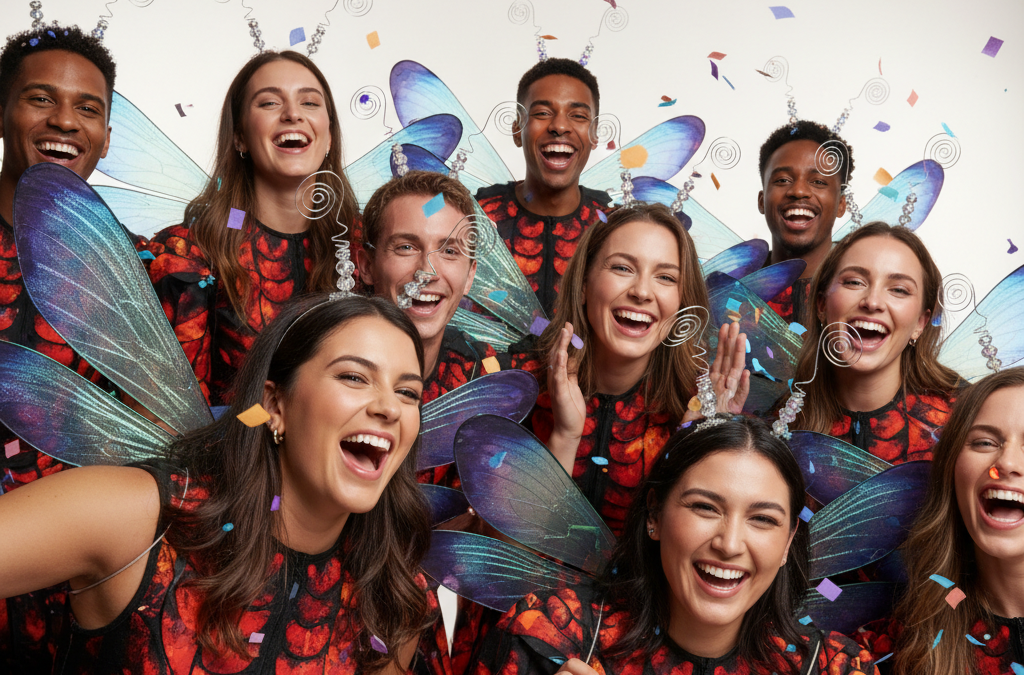
insect costume
Key Takeaways
- An insect costume offers a striking transformation inspired by nature’s intriguing creatures.
- These costumes feature detailed design elements like wings, antennae, and exoskeleton patterns.
- Insect costumes are ideal for Halloween parties, themed events, and costume celebrations.
- Comfort is prioritized to ensure you can enjoy wearing the costume all night long.
Table of Contents
Insect Costume Guide – Make Your Best Times Buzz, Flutter, and Crawl with Style
When you want to transform into nature’s most fascinating creatures, an insect costume delivers instant impact at Halloween parties, themed events, and costume celebrations. These specialized outfits combine anatomically-inspired design elements, wings, antennae, exoskeleton patterns, with comfort features that keep you buzzing all night long.
Choose insect costumes with breathable fabrics, adjustable wings, and lightweight antennae for all-night comfort and realistic movement in 2025.
The best insect costumes balance visual authenticity with wearability, using 125GSM+ breathable materials and precision-tested fits across 30+ measurement points. Whether you’re channeling a delicate butterfly or a formidable spider, quality construction ensures your costume stays intact through hours of party action. Womens Butterfly Dress Costume and Womens Black Widow Spider are standout choices for those seeking both style and durability.
Womens Bumblebee Costume is another popular option for those who want to embody a classic insect look with vibrant colors and comfortable design.
What is an Insect Costume? Core Concepts & Essential Uses
Defining the Insect Costume
An insect costume transforms the wearer into arthropod characters through specialized body suits, wing attachments, antennae headpieces, and textured accessories. These costumes range from anatomically accurate representations to whimsical cartoon interpretations, serving Halloween celebrations, school plays, educational events, and themed birthday parties.
Popular applications include festival appearances, nature-themed events, and group “swarm” concepts where families or friends coordinate as different insects. The versatility spans from cute ladybugs for toddlers to intimidating spider costumes for adult Halloween enthusiasts.
Key Elements & Anatomy of an Insect Costume
Essential components include wing structures (ranging from 30cm spans for toddlers to 72cm for adults), flexible antennae attachments, segmented body patterns, and bold color schemes mimicking real insects. Premium designs incorporate textured fabrics that simulate exoskeleton surfaces and multi-layered wings with realistic vein patterns.
Always verify inclusion lists, complete costumes should specify wing attachment methods, antennae styles, and any additional accessories like gloves or leg extensions that complete the transformation.
Materials & Manufacturing Details
Quality bug costumes utilize soft, breathable polyester fabrics weighing 125GSM or higher, ensuring comfort during extended wear. Wings typically combine lightweight foam cores with fabric coverings, while antennae feature flexible wire construction wrapped in plush materials for safety and durability.
Professional-grade costumes undergo rigorous quality testing, including 500,000+ annual quality checks and fit verification across 30+ measurement points. This attention to detail prevents common issues like see-through materials, restrictive fits, or accessories that detach during use.
Popular Types of Insect Costumes & Styles

Top-Selling Insect Costumes for 2025
Bee costumes dominate sales with their instantly recognizable black-and-yellow stripes and fuzzy textures, available from baby sizes through adult XL. Butterfly designs follow closely, featuring vibrant wing patterns in both realistic monarch colorations and fantasy rainbow variations. For children, the Girls Bumble Bee Tunic Costume and Kids Lady Bird Costume are perennial favorites for their comfort and adorable style.
| Insect Type | Age Range | Key Features | Best For |
|---|---|---|---|
| Bee | Baby – Adult | Fuzzy stripes, hexagonal wings | Group themes, comfort |
| Butterfly | Toddler – Adult | Colorful patterns, large wings | Elegance, photo opportunities |
| Spider | Kids – Adult | Eight legs, realistic textures | Halloween scares, dramatic effect |
| Ladybug | Baby – Adult | Red shells, polka dots | Cute factor, young children |
Costume styles: Realistic vs. Cartoon vs. Scary
Realistic insect costumes emphasize anatomical accuracy with muted natural colorations and detailed wing vein patterns. Cartoon variants prioritize bright colors and simplified features, typically weighing under 200g for enhanced comfort during active play.
Scary interpretations focus on intimidation through oversized proportions, dark color schemes, and textural elements like fuzzy spider legs or metallic beetle shells. These designs often incorporate sound effects or LED lighting for maximum impact at Halloween events. If you’re seeking a truly unique look, explore scary and unique Halloween costumes for inspiration.
Adult vs. Kids vs. Pet Costume Fit & Features
Adult insect costumes prioritize sophisticated design elements and precise fits verified across comprehensive measurement protocols. Kids’ versions emphasize soft, non-irritating seams and easy-dress features like velcro closures instead of complex fasteners.
Pet insect costumes focus on quick-attachment systems with adjustable straps and minimal restriction of natural movement. Wing attachments typically mount to comfortable harnesses rather than full-body suits, ensuring pet safety and cooperation during wear.
How to Choose the Perfect Insect Costume
Selection Criteria by User Type
Men prioritize visual impact and accurate fit, seeking costumes that include all advertised accessories and match their expectations. Women value style combined with comfort, prioritizing soft, breathable fabrics that won’t irritate skin during extended wear. Parents focus on durability and ease of dressing, seeking costumes with quality construction that can withstand active play while keeping children comfortable enough to wear throughout an event.
The key differentiator lies in material quality and fit precision. Premium insect costumes use 125+ GSM polyester for optimal breathability and softness, tested across 30+ measurement points to ensure accurate sizing. This eliminates common frustrations like see-through materials, poor ventilation, or disappointing fit that can derail party plans.
| Priority | Men | Women | Parents (Kids) |
|---|---|---|---|
| Primary Focus | Visual impact & completeness | Style & comfort balance | Durability & child comfort |
| Material Preference | Structured, detailed textures | Soft, non-irritating fabrics | Machine-washable, tear-resistant |
| Fit Requirements | Accurate measurements | Flattering, flexible sizing | Easy on/off, room for growth |
| Accessory Importance | All advertised items included | Comfortable, secure attachments | Child-safe, non-choking parts |
Sizing & Measurement Guide
Accurate measurements prevent the disappointment of ill-fitting costumes. Measure chest circumference at the widest point, natural waist, and height while standing straight. For children, add 2-3 inches to chest and waist measurements to accommodate growth and comfortable movement during active play.
Quality insect costume manufacturers test fit across multiple body types and size ranges. Look for brands that specify their measurement process, costumes validated across 30+ fit points typically deliver superior comfort and appearance. Wing spans should proportionally match body size, ranging from 30cm for toddlers to 72cm for adults.
Comfort & Event Readiness
Event success depends on sustained comfort. Choose fabrics with proper weight, 125+ GSM polyester provides structure without stiffness, while maintaining breathability for extended wear. Flat seams prevent chafing, and hypoallergenic linings accommodate sensitive skin. Test mobility by performing basic party movements: sitting, dancing, and reaching.
Weather considerations matter for outdoor events. Layer appropriately with thin base layers for summer gatherings or thermal undergarments for October celebrations. Ensure wing attachments allow for jacket wear if needed, and verify that antennae headbands won’t interfere with hats or hoods.
Essential Accessories Checklist
Complete insect costume transformation requires strategic accessory selection. Wings remain the most critical component, verify attachment method (snap-on elastic straps offer security and adjustability), material durability, and proportional sizing. Antennae headbands should feature comfortable padding and secure positioning to prevent slipping during activity.
Additional accessories enhance authenticity: textured gloves simulate insect limbs, coordinated shoe covers complete the look, and face paint adds realistic coloring. Apply face paint sparingly, a pea-sized amount per cheek area provides coverage without discomfort. Always test cosmetics on skin 24 hours before events to check for reactions.
For more creative ideas and inspiration, check out the Morphsuits blog for costume tips and DIY guides.
DIY Insect Costume Creation Guide
Essential Supplies & Project Timing
DIY insect costume creation requires specific materials and realistic time expectations. Basic supplies include felt fabric for body construction, lightweight wire for wing frames, non-toxic fabric paint for detailing, and elastic straps for secure attachment. Most projects complete within 2 hours, making them feasible weekend activities.
Budget approximately $15-25 for materials per costume, significantly less than premium ready-made options but requiring time investment. Felt provides structure and easy cutting, while craft foam offers dimensional elements. Purchase extra materials, wing construction often requires multiple attempts to achieve desired shape and durability.
Step-by-Step Construction Methods
Bee costume construction begins with yellow and black felt strips sewn or glued to a base shirt, creating distinctive striping. Craft translucent wings from clear plastic sheeting stretched over wire frames, securing with small zip ties. Attach wings using elastic shoulder straps, and create antennae by mounting yellow pom-poms on flexible wire headbands. Total construction time: 45 minutes.
Butterfly costumes require larger wing construction using fabric stretched over wire frames, painted with vibrant patterns using fabric markers. Create body segments with stuffed fabric tubes, and add antennae using pipe cleaners with decorative ends. Spider costumes utilize black clothing as base, with additional legs created from stuffed black stockings attached to a harness worn under the shirt. Construction time ranges from 60-90 minutes depending on detail level.
Safety & Comfort in Homemade Costumes
DIY costume safety requires careful material selection and construction techniques. Use only hypoallergenic fabrics for direct skin contact, and ensure all wire elements have protective covering to prevent scratching. Test all paints and adhesives on small skin patches 24 hours before event day to identify potential reactions.
Secure all attachments with redundant fastening methods, wings should attach with both elastic straps and safety pins as backup. Avoid sharp wire ends by wrapping with tape or fabric. For outdoor events, add reflective tape strips to wing edges for improved visibility while maintaining the costume’s aesthetic appeal. Always prioritize mobility, test jumping, dancing, and sitting movements before finalizing any design.
DIY Insect Costume – Step-by-Step Home Creation

DIY Supply List & Timing
Creating your own insect costume requires minimal investment and delivers maximum satisfaction. Essential materials include black and yellow felt ($3-5 per yard), 18-gauge craft wire ($2), white foam sheets ($4), elastic bands ($1), and non-toxic fabric paint ($6-8). Most projects complete within 90 minutes, with simple bee costumes finishing in 45 minutes and complex butterfly designs taking up to 2 hours.
| Costume Type | Materials Cost | Time Required | Skill Level |
|---|---|---|---|
| Basic Bee | $15-20 | 45 minutes | Beginner |
| Butterfly Wings | $20-25 | 75 minutes | Intermediate |
| Spider Harness | $18-22 | 60 minutes | Beginner |
Step-by-Step Instructions for Popular Designs
For a bee costume, cut alternating black and yellow felt strips 4 inches wide, sew onto a yellow base shirt, create wings from white foam cut in oval shapes, and attach with elastic shoulder straps. Butterfly costumes require bending wire into wing frames, stretching sheer fabric over frames, painting with fabric markers, and securing with a vest-style harness.
Spider costumes use eight black pool noodles cut to 3-foot lengths, attached to a black harness worn over regular clothes. Secure each “leg” with zip ties and add fuzzy black fabric strips for realistic texture. Total assembly time averages 60 minutes with basic tools.
Safety & Comfort for Homemade Costumes
Test all fabrics against skin 24 hours before events to check for reactions. Use hypoallergenic materials for children’s costumes and avoid synthetic fabrics that trap heat. Secure all wire ends with fabric tape and ensure wing attachments can’t catch on objects or other party guests.
Add reflective tape strips to wing edges for outdoor Halloween events. This simple 5-minute addition dramatically improves visibility while maintaining the costume’s aesthetic appeal. Always prioritize mobility, test jumping, dancing, and sitting movements before finalizing any design.
DIY Troubleshooting & Quick Upgrades
Droopy antennae plague most homemade designs. Solve this by inserting thin wire through fabric tubes or using foam balls on rigid headbands instead of floppy materials. Loose wings require additional elastic straps or safety pin reinforcements at stress points.
Transform basic costumes into standout pieces by adding LED strip lights to wing edges (battery pack clips to belt), creating textured surfaces with hot glue patterns, or layering different fabric sheens for depth. These upgrades add 15-20 minutes but triple the visual impact.
For more fun trivia and costume inspiration, try the Hardest Ever Ant-Man Quiz on the Morphsuits blog.
Comparison – Finding Your Ideal Insect Costume
Realistic vs. Cartoon Insect Costumes
Realistic insect costume designs prioritize anatomical accuracy with detailed wing venation, natural color gradients, and proportional body segments. These costumes typically use heavier materials (150+ GSM) and structured components that maintain shape throughout extended wear. Cartoon versions emphasize bright colors, simplified shapes, and exaggerated features that photograph well under party lighting.
Comfort levels vary significantly between styles. Cartoon costumes generally weigh 30% less and offer better mobility for active events like children’s parties or outdoor festivals. Realistic designs excel at adult Halloween parties or educational presentations where authenticity matters more than ease of movement. For a deeper look at the cultural significance of insects in art and society, see this Smithsonian Magazine article on the history of insect art.
Store-Bought vs. Handmade DIY Costumes
Professional costumes undergo rigorous testing across 30+ measurement points and 500,000+ annual quality checks, ensuring consistent fit and durability. DIY versions offer complete customization but require significant time investment and crafting skills. Store-bought options include comprehensive accessory packages, wings, antennae, gloves, and often shoe covers, eliminating guesswork about completing the look.
Cost analysis reveals DIY projects range $15-30 in materials but demand 2-4 hours of skilled labor. Quality commercial costumes start around $25-40 and arrive ready to wear with professional finishing techniques that home crafters struggle to replicate.
Kids vs. Adults vs. Pet Costume Considerations
Children’s insect costume designs prioritize soft, non-irritating fabrics with flat seams and easy-access openings for bathroom breaks. Adult versions focus on visual impact and durability for longer wear periods. Pet costumes require quick-release mechanisms and minimal coverage to prevent overheating or movement restriction.
Family coordination works best when each age group maintains consistent color schemes while adapting complexity levels. Adults can handle intricate wing mechanisms and detailed accessories, while kids need simplified versions that won’t frustrate during dress-up time. For more on how insects influence culture and creativity, visit this entomology resource on insects in culture.
Spider vs. Butterfly Costumes – Design & Popularity Analysis
Spider costumes dominate Halloween preferences, particularly among boys aged 6-14, due to their dramatic silhouettes and movement possibilities.
Frequently Asked Questions
What are the key design elements that make an insect costume look realistic and comfortable?
Realistic insect costumes feature detailed wings, flexible antennae, and segmented body patterns that mimic an insect’s exoskeleton. Comfort comes from breathable, soft fabrics and adjustable components like lightweight wings and antennae to ensure ease of movement and all-night wearability.
How do I choose the perfect insect costume for different events or age groups?
Consider the event’s theme and the wearer’s age when selecting an insect costume. For kids, opt for vibrant, simple designs with comfortable fits and safe accessories, while adults might prefer more detailed, anatomically inspired costumes with tested sizing for a perfect fit and durability.
What materials are commonly used in high-quality insect costumes to ensure durability and comfort?
High-quality insect costumes typically use breathable fabrics weighing 125GSM or more, providing a soft feel and durability. Textured materials simulate exoskeleton surfaces while maintaining flexibility, ensuring the costume holds up through extended wear without sacrificing comfort.
Are there any tips or guidelines for creating a DIY insect costume at home?
When making a DIY insect costume, focus on lightweight materials for wings and antennae to avoid discomfort, and use breathable fabrics for the body suit. While DIY can be fun, investing in a well-designed costume ensures better fit, durability, and a polished look that keeps your best times buzzing.
About the Author
Joe is the chief contributing writer for the MorphCostumes Blog.
MorphCostumes is the Costume Brand that gives you the costumes that make your best times in life even better.
We are the brand for people who want to make Halloween, Christmas, Easter, Birthdays or BBQ Parties even better with great costumes and have won many awards.
We know that many people have experienced having these events ruined by a rubbish costume they have bought online from a no-brand Chinese factory. The costume might turn up not looking like it was advertised, badly fitting, of poor quality so it tears easily. The material may be see-through, non-breathable or itchy. It also might be missing key accessories that complete the look.
MorphCostumes ensures that it makes your best times better by doing the following:
- Having thousands of innovative and unique costume designs.
- Ensuring fit by testing 30 or more separate measurements on each costume design.
- Guaranteeing quality by performing over 500,000 in-person quality checks each year.
- Always using 125 GSM or more material for a soft, breathable and quality feel.
- Always being clear on what is included in the costume so you are never disappointed.
Through sticking to these values since launching in 2009, we have won awards such as Disney Product of the Year, and the business has been recognised as an Ernst & Young Entrepreneur of the Year finalist (twice), featured on the FEBE 100 fastest growing companies list (twice), the Sunday Times Fast Track, and the Maserati Top Companies List.
We have also appeared across publications such as the Wall Street Journal, CNBC, BBC, Wired, BuzzFeed, The Times, The Telegraph, The Financial Times, and The Guardian.
Last reviewed: October 9, 2025 by the Morphsuits Costumes Team
