


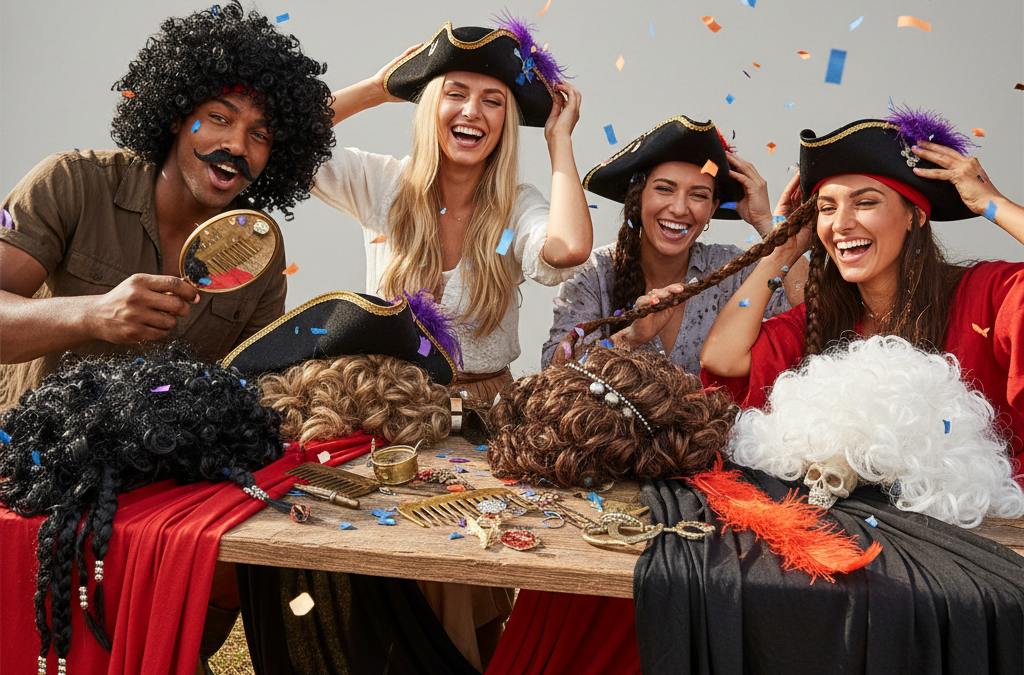
pirate wig
Key Takeaways
- Quality pirate wigs are made from materials rated at 125GSM or higher.
- The GSM rating indicates the density and durability of synthetic fibers.
- Wigs under 100GSM tend to shed excessively and lose their shape quickly.
- Low-density wigs often appear cheap and ruin the overall costume look.
- Choosing a higher GSM wig ensures better longevity and photo-ready appearance.
Table of Contents
- Why Your Pirate Costume Deserves a Quality Wig
- Understanding Pirate Wig Types: Finding Your Perfect Match
- Materials, Quality Indicators, and What Makes a Wig Last
- Choosing the Right Pirate Wig for Your Face Shape and Skin Tone
- Styling Your Pirate Wig: Fluffing, Customizing, and Perfecting the Look
- Pairing Your Pirate Wig with Bandanas, Hats, and Facial Hair
- Caring For Your Pirate Wig Between Events
- Common Pirate Wig Problems and Quick Solutions
- Matching Wig Styles to Pirate Archetypes
- Creating a Cohesive Pirate Look Beyond the Wig
Why Your Pirate Costume Deserves a Quality Wig
Picture this: you walk into a costume party wearing what you thought was the perfect pirate outfit, only to watch heads turn toward someone else whose dreadlocked pirate wig commands the entire room. The difference between a forgettable pirate costume and one that steals the show often comes down to a single element—the pirate wig.
Choose pirate wigs with 125GSM+ density for durability; style by teasing curls and pairing with bandanas or hats to match your pirate archetype.
Your pirate wig isn't just an accessory; it's the foundation that transforms your entire look from "person wearing pirate clothes" to "actual swashbuckling seafarer." While cheap synthetic wigs shed fibers, slip during movement, and tangle into unusable mats after one wear, a quality pirate wig maintains its shape, stays secure during active events, and can be reused for multiple occasions without losing its dramatic impact.
The frustration of costume pieces that don't work together—mismatched colors, poor fit, missing accessories—has ruined countless Halloween nights and themed parties. This guide covers everything from selecting the right wig style for your face shape to maintaining synthetic dreadlocks between events, ensuring your pirate transformation delivers the authentic, head-turning results you're after. For a complete look, check out this Mens Deluxe Caribbean Pirate Costume for inspiration.
Understanding Pirate Wig Types: Finding Your Perfect Match

Dreadlock Pirate Wigs – The Jack Sparrow Standard
Long dreadlock pirate wigs with beads and leather wraps create the most recognizable pirate aesthetic, featuring shoulder-length to mid-back synthetic dreads that move naturally with every gesture. The iconic style works because dreadlocks provide visual interest through texture variation—some thick, some thin, some wrapped with leather cord, others adorned with metal beads or shells.
Best for: Halloween enthusiasts, theatrical productions, and anyone wanting maximum dramatic impact. The movement and visual complexity of dreadlocks photograph exceptionally well and create an instantly recognizable silhouette from across a crowded party.
Maintenance requires more attention than other styles since individual dreadlocks can tangle together, but the stunning visual payoff makes the extra care worthwhile for serious costume events.
Braided and Twisted Pirate Wigs
Structured braided pirate wigs feature multiple thick braids that stay secure under tricorn hats and bandanas without shifting or losing their shape. These wigs typically include 3-5 major braids with varying thicknesses, creating a nautical-appropriate style that suggests practical seafaring experience.
Best for: Renaissance faires, period-accurate historical interpretations, and formal costume events where authenticity matters more than theatrical flair. The structured nature works particularly well for female pirate costumes where elegance meets adventure.
This underrated style offers superior durability compared to loose dreadlocks since braided sections resist tangling and maintain their form through multiple wears.
Wavy and Curly Pirate Wigs
Wind-swept wavy pirate wigs capture the sun-weathered aesthetic of life at sea, with natural-looking texture that appears more realistic than heavily stylized alternatives. The wave patterns create volume without excessive bulk, making this style forgiving for first-time wig wearers who want authentic results without complex maintenance.
Best for: Budget-conscious costume builders, female pirate costumes, and anyone preferring subtle authenticity over dramatic theatrical impact. The forgiving texture hides minor styling imperfections while still delivering clear pirate character.
Wave patterns affect how the wig moves—loose waves create flowing movement, while tighter curls provide more structured volume that works well with period-appropriate accessories.
| Wig Style | Visual Impact | Maintenance Level | Best Occasion | Hat Compatibility |
|---|---|---|---|---|
| Dreadlock | Maximum drama | High (detangling required) | Halloween parties | Requires careful positioning |
| Braided | Authentic elegance | Low (holds shape well) | Renaissance faires | Excellent (stays secure) |
| Wavy/Curly | Natural realism | Medium (occasional fluffing) | Themed dinners | Good (flexible styling) |
| Ponytail | Practical charm | Very low (minimal styling) | Kids' events | Perfect (designed for layering) |
For more inspiration on pirate looks, you might enjoy browsing our Sexy Pirate Captain Costume Womens or explore Womens Buccaneer Pirate Costume options for a bold, adventurous style.
Materials, Quality Indicators, and What Makes a Wig Last
Synthetic vs. Human Hair – Breaking Down the Reality
Quality synthetic pirate wigs outperform human hair for costume use because they maintain consistent color, resist humidity changes, and cost 75% less than human hair alternatives. Modern synthetic fibers like Kanekalon and modacrylic create realistic texture while offering heat resistance up to 350°F for styling flexibility.
The myth that "synthetic wigs look cheap" stems from experience with low-grade fibers that shine unnaturally under lights. Premium synthetic wigs use matte fibers with varied textures that photograph beautifully and maintain their style through multiple events without the daily maintenance human hair requires.
Human hair wigs demand professional styling knowledge, regular conditioning treatments, and careful heat management—impractical for occasional costume use where consistency and durability matter more than absolute realism.
Material Weight and Durability Standards
Quality pirate wigs use materials rated at 125GSM (grams per square meter) or higher—a density standard that separates premium synthetic fibers from bargain alternatives. This measurement directly correlates with longevity: lightweight synthetic wigs under 100GSM shed excessively, lose their shape after one wear, and develop that telltale "cheap costume" appearance that ruins photos.
Properly weighted synthetic fibers maintain their texture through multiple events, resist tangling during active wear, and hold styling products without becoming stiff or unnatural. The difference becomes obvious when handling: quality wigs feel substantial without being heavy, while thin materials feel almost papery and lack the movement that makes dreadlocks and waves convincing.
Construction Details That Prevent Disappointment
Double-stitched wig caps withstand the stress of repeated wear and washing, while single-stitched alternatives develop loose sections that create bald spots or uneven coverage. Examine the hairline construction—premium wigs feature hand-tied sections that create natural-looking edges, preventing the obvious "wig line" that screams costume store purchase.
Pay particular attention to accessory attachment points. Quality pirate wigs secure beads and ornaments through reinforced sections of the cap, not just twisted into individual synthetic strands. Poorly attached decorations inevitably fall off mid-event, leaving you scrambling to collect scattered beads while your costume loses its impact.
For more tips on costume care and ideas, check out the MorphCostumes blog for inspiration and advice.
Choosing the Right Pirate Wig for Your Face Shape and Skin Tone
Face Shape Considerations
Round faces benefit from longer dreadlock styles that create vertical lines, elongating your silhouette in photos. Position the longest sections toward the front, allowing them to frame your face while shorter back sections prevent overwhelming your proportions. Square faces need softer textures—choose wavy or loosely curled pirate wigs that balance angular jawlines with flowing movement.
Heart-shaped faces work best with volume concentrated at ear level and below, avoiding top-heavy styles that emphasize forehead width. Center-parted dreadlocks or braided styles create balance, while side-swept options can appear uneven. Oval faces offer the most versatility, successfully carrying dramatic long dreadlocks, structured braids, or flowing waves with equal success.
Skin Tone and Wig Color Harmony
Cool undertones in darker skin pair beautifully with jet black or deep brown dreadlock wigs, creating striking contrast that photographs exceptionally well under both natural and artificial lighting. Warm undertones benefit from medium brown or sun-bleached blonde options that complement rather than compete with natural coloring.
Consider your complete costume palette: if your pirate costume features rich burgundy or deep blue fabrics, choose wig colors that enhance rather than clash. Beads and ornament colors should bridge the gap between your wig choice and skin tone—copper and bronze work universally, while silver complements cooler tones and gold enhances warmer complexions.
| Face Shape | Best Wig Style | Avoid | Styling Tip |
|---|---|---|---|
| Round | Long dreadlocks, straight braids | Wide, voluminous styles | Keep longest sections at face front |
| Square | Soft waves, loose curls | Blunt cuts, geometric braids | Add texture to soften angles |
| Heart | Center-parted, mid-length | Top-heavy volume | Focus decoration at ear level |
| Oval | Any style works | Extreme proportions | Match to costume theme |
For more on matching costumes to your style, you might enjoy this Womens Pirate Deckhand Costume Dress for a versatile option.
Styling Your Pirate Wig: Fluffing, Customizing, and Perfecting the Look

Removing the Package Flat – First Steps
New wigs arrive compressed from packaging, requiring 4-6 hours minimum to achieve their intended volume and texture. Gently shake the wig while holding the cap, then use a wide-tooth comb to separate any compressed sections. Never brush aggressively—synthetic fibers can break or frizz permanently with rough handling.
Allow the wig to rest on a stand or mannequin head overnight before your event. This settling period lets the synthetic memory return to its manufactured shape, ensuring your pirate wig looks intentional rather than hastily assembled.
Adding Beads, Ornaments, and Accessories
Thread beads carefully through dreadlock sections rather than forcing them over the tips—this prevents fiber damage and ensures secure placement. Use leather cord or thin ribbon to wrap sections before adding beads, creating grip that prevents sliding while adding authentic texture.
Focus decoration on the front-facing dreadlocks where they'll be most visible, keeping back sections simpler to avoid overwhelming the look. Allow 15-20 minutes per decorated section for proper placement and securing.
For more fun costume ideas and quizzes, check out this Game of Thrones quiz on the MorphCostumes blog.
Pairing Your Pirate Wig with Bandanas, Hats, and Facial Hair
The layering hierarchy matters for a cohesive pirate look. Position your pirate wig first, ensuring it sits naturally at your hairline. When adding a bandana, fold it diagonally and tie it behind the dreadlocks or braids, securing with bobby pins threaded through the wig cap to prevent slipping during movement.
Tricorn hats require strategic angling to avoid crushing dreadlock wigs. Tilt the hat slightly back and to one side, allowing front dreadlocks to frame your face while back sections drape naturally. For goatees or mustaches, balance facial hair coverage with wig volume—heavy dreadlocks pair better with fuller beards, while braided styles complement trimmer facial hair.
Practice your complete costume assembly multiple times before the event. This prevents last-minute discoveries about incompatible accessories and ensures smooth transitions between costume elements. For a great kids' option, check out this Kids Blue Stripe Pirate Costume for a fun ensemble.
Caring For Your Pirate Wig Between Events
Cleaning Without Damaging Synthetic Fibers
Cool water rinses preserve synthetic wig integrity—hot water damages fibers and causes irreversible frizzing. Use mild shampoo specifically formulated for synthetic wigs, avoiding clarifying or protein-based products that strip protective coatings. Clean after every 3-4 wears to prevent product buildup from styling sprays or environmental exposure.
Hand wash gently, never machine wash or tumble dry. Allow minimum 24 hours air drying flat on a clean towel, reshaping dreadlocks or braids while damp to maintain their structure.
Detangling and Long-Term Storage
Synthetic hair mats from friction and moisture exposure during wear. Use a wide-tooth comb or specialized wig brush, starting at the ends and working upward through each section. Spend 5-10 minutes per tangled area—rushing causes breakage and permanent damage.
Store your pirate wig on a wig stand in cool, dry conditions away from direct sunlight, which fades synthetic colors. A breathable storage bag prevents dust accumulation while maintaining airflow. Inspect every three months during storage and perform light fluffing before reuse after extended periods.
Common Pirate Wig Problems and Quick Solutions

Emergency Fixes for Costume Events
- Excessive shedding: Stop over-combing and use gentle conditioning rinse
- Wig slipping: Add wig cap underneath and secure with bobby pins
- Chemical odor: Air out 24-48 hours in fresh air before wearing
- Uncomfortable fit: Use moisture-wicking wig cap and limit wear to 4-6 hours
Quality construction prevents most issues, but even premium pirate wigs require proper handling. If shedding continues after implementing gentle care techniques, this indicates poor manufacturing standards rather than user error. Persistent slipping usually stems from incorrect sizing—measure your head circumference and compare against manufacturer specifications.
New synthetic wigs often carry manufacturing odors that dissipate within 1-2 weeks of normal wear. For immediate events, gentle water rinses and fresh air exposure accelerate the process without damaging synthetic fibers. For more on wig care and costume tips, you can also visit this festival guide on the MorphCostumes blog.
Matching Wig Styles to Pirate Archetypes
Jack Sparrow Dreadlock Aesthetic
The iconic Captain Jack look requires long, messy dreadlocks with asymmetrical bead placement—concentrate decorative elements on one side for authentic character recreation. Pair with a red bandana positioned loosely at the back, allowing front dreadlocks to frame distinctive eyeliner and facial hair.
Refined Captain Style
Aristocratic pirates like Captain Hook favor wavy hair pulled into low ponytails or braids with minimal ornaments. This sophisticated approach emphasizes the tricorn hat and elaborate coat rather than competing with excessive wig decoration. Deep brown or black wavy wigs work best for this distinguished pirate archetype.
Female Pirate Warrior Aesthetic
Fierce, practical styling emphasizes braided or half-up arrangements that suggest functionality during seafaring adventures. These pirate wig styles pair excellently with leather accessories and bold makeup, creating a warrior appearance that balances femininity with maritime toughness.
Creating a Cohesive Pirate Look Beyond the Wig
Your pirate wig represents just one element of successful costume coordination. Buying pieces separately often results in mismatched colors, incompatible accessories, and that disconnected "assembled from random parts" appearance that undermines your entire costume investment.
Professional costume designers understand how wig color must coordinate with shirt tones, accessory metals, and even makeup choices. When these elements work together seamlessly, the result transforms from "wearing a costume" to "becoming a character." Complete pirate costume packages eliminate guesswork by ensuring every component—from wig to boots—has been tested together for visual harmony and proper fit.
MorphCostumes pirate collections demonstrate this coordinated approach, with each wig specifically selected to complement included accessories, ensuring your investment delivers the dramatic impact you're seeking. For a wide selection of options for all ages and genders, browse our Pirate Fancy Dress Costumes.
Frequently Asked Questions
What does the GSM rating mean when choosing a pirate wig, and why is a higher GSM important?
GSM stands for grams per square meter and measures the density of the synthetic fibers in a pirate wig. A higher GSM, typically 125 or above, means the wig is thicker, more durable, and less prone to shedding or losing shape, ensuring a longer-lasting, photo-ready look.
How do different pirate wig styles, like dreadlocks versus braided wigs, suit various costume events and pirate archetypes?
Dreadlock pirate wigs, with their textured, natural movement, are perfect for iconic, adventurous pirate looks like Jack Sparrow, while braided wigs offer a neater, more polished style suited for themed parties or historical reenactments. Choosing the right style helps match your costume’s vibe and the pirate persona you want to embody.
What are the best ways to maintain and care for a synthetic pirate wig to ensure it lasts through multiple events?
To keep a synthetic pirate wig in top shape, gently detangle it after use, store it on a wig stand to maintain its form, and avoid excessive heat or friction. Light styling with appropriate products and careful handling will prevent tangling and extend the wig’s lifespan across many costume events.
How can I select a pirate wig that complements my face shape and skin tone for the most authentic look?
Select a pirate wig style that balances your face shape—voluminous dreadlocks suit oval or longer faces, while braids or shorter styles flatter rounder faces. Consider your skin tone when choosing wig colors; warmer tones pair well with rich browns and auburns, while cooler tones look great with black or dark brown wigs for a natural, striking appearance.
About the Author
Joe is the chief contributing writer for the MorphCostumes Blog.
MorphCostumes is the Costume Brand that gives you the costumes that make your best times in life even better.
We are the brand for people who want to make Halloween, Christmas, Easter, Birthdays or BBQ Parties even better with great costumes and have won many awards.
We know that many people have experienced having these events ruined by a rubbish costume they have bought online from a no-brand Chinese factory. The costume might turn up not looking like it was advertised, badly fitting, of poor quality so it tears easily. The material may be see-through, non-breathable or itchy. It also might be missing key accessories that complete the look.
MorphCostumes ensures that it makes your best times better by doing the following:
- Having thousands of innovative and unique costume designs.
- Ensuring fit by testing 30 or more separate measurements on each costume design.
- Guaranteeing quality by performing over 500,000 in-person quality checks each year.
- Always using 125 GSM or more material for a soft, breathable and quality feel.
- Always being clear on what is included in the costume so you are never disappointed.
Through sticking to these values since launching in 2009, we have won awards such as Disney Product of the Year, and the business has been recognised as an Ernst & Young Entrepreneur of the Year finalist (twice), featured on the FEBE 100 fastest growing companies list (twice), the Sunday Times Fast Track, and the Maserati Top Companies List.
We have also appeared across publications such as the Wall Street Journal, CNBC, BBC, Wired, BuzzFeed, The Times, The Telegraph, The Financial Times, and The Guardian.
