Best Safari Costume Ideas 2026 | Easy DIY Looks for Adventurers

Quick Answer

A safari costume combines khaki or tan clothing with adventure-themed accessories like safari hats, binoculars, and boots. The classic look includes a button-up shirt, shorts or pants, and can be easily DIY’d using items from your closet plus simple accessories, making it perfect for Halloween, themed parties, or group costumes.

Key Takeaways

  • A safari costume typically features khaki or tan clothing paired with adventure-themed accessories.
  • Essential items include a button-up shirt, shorts or pants, safari hats, binoculars, and boots.
  • This costume can be easily created using items from your closet combined with simple accessories.
  • Safari costumes are ideal for Halloween, themed parties, or coordinating group outfits.

Picture this: you’re standing in front of your closet three days before Halloween, frantically searching for costume inspiration that won’t break the bank or require a degree in fashion design. Enter the safari costume – a timeless, versatile option that transforms ordinary clothing into an adventure-ready ensemble that’s perfect for adults, kids, and groups alike.

Safari costumes have captured imaginations for decades, drawing inspiration from the golden age of exploration when intrepid adventurers ventured into uncharted territories armed with nothing but their wits and a well-stocked safari jacket. From classic Hollywood films featuring rugged explorers to modern nature documentaries showcasing dedicated wildlife researchers, the safari aesthetic has evolved from practical fieldwork attire into one of the most recognizable and beloved costume themes. For a fun and fashionable twist on themed dress-up, check out the
Cowgirl Barbie Costume, blending Western charm with glamor for a standout look.

What makes a safari costume adult option so appealing? The answer lies in its incredible flexibility and accessibility. Unlike elaborate superhero costumes or intricate period pieces, safari-themed costumes work with items you likely already own – that khaki shirt gathering dust in your wardrobe suddenly becomes the foundation for an authentic explorer look. The earthy color palette of tans, khakis, and olive greens creates a cohesive appearance that’s both practical and adventurous.

Pro Tip: Safari costumes are budget-friendly champions. Most people already own 70% of what they need for a convincing safari look – a button-up shirt, pants or shorts, and closed-toe shoes. The remaining accessories can be DIY’d or purchased inexpensively.

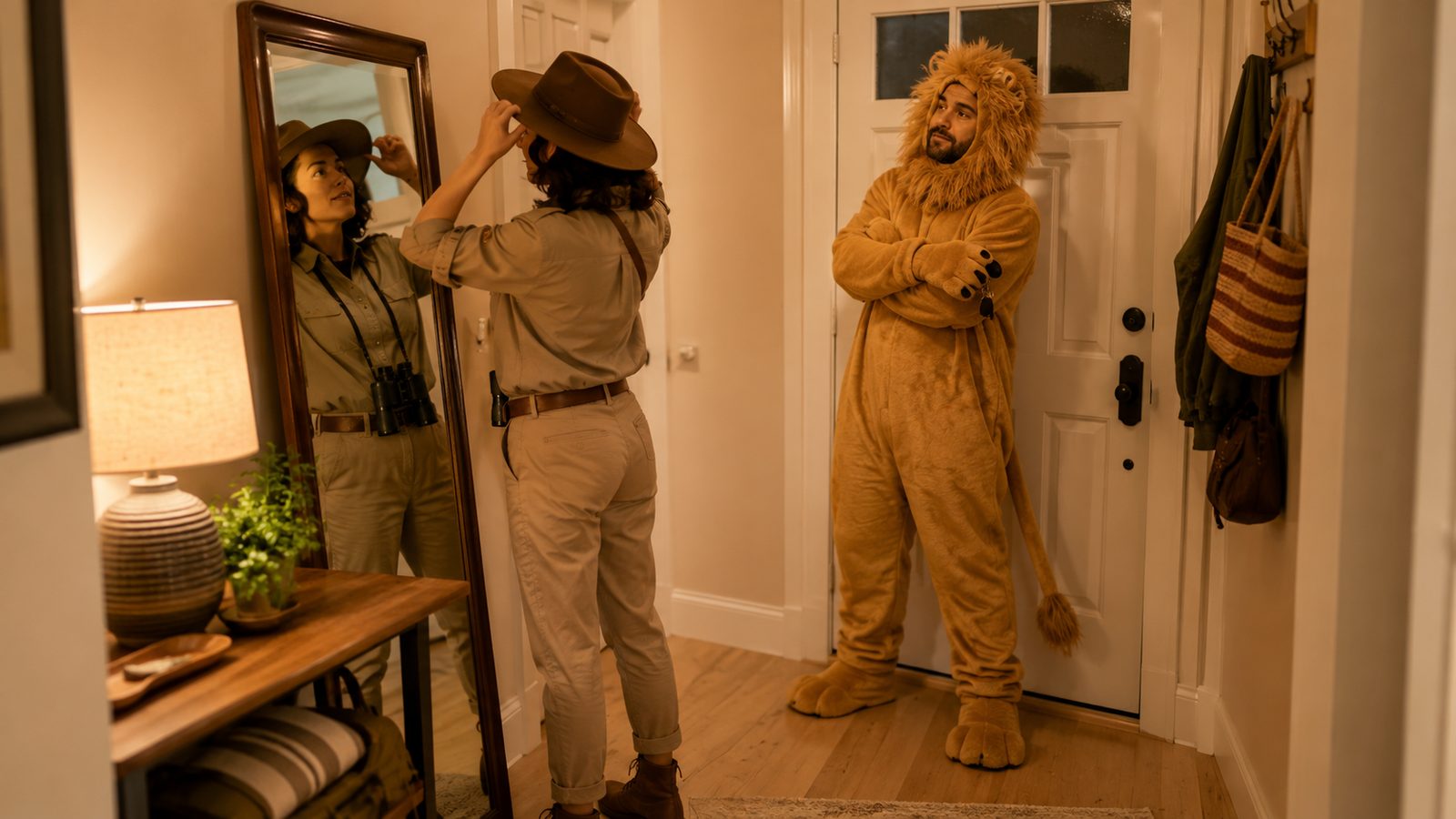
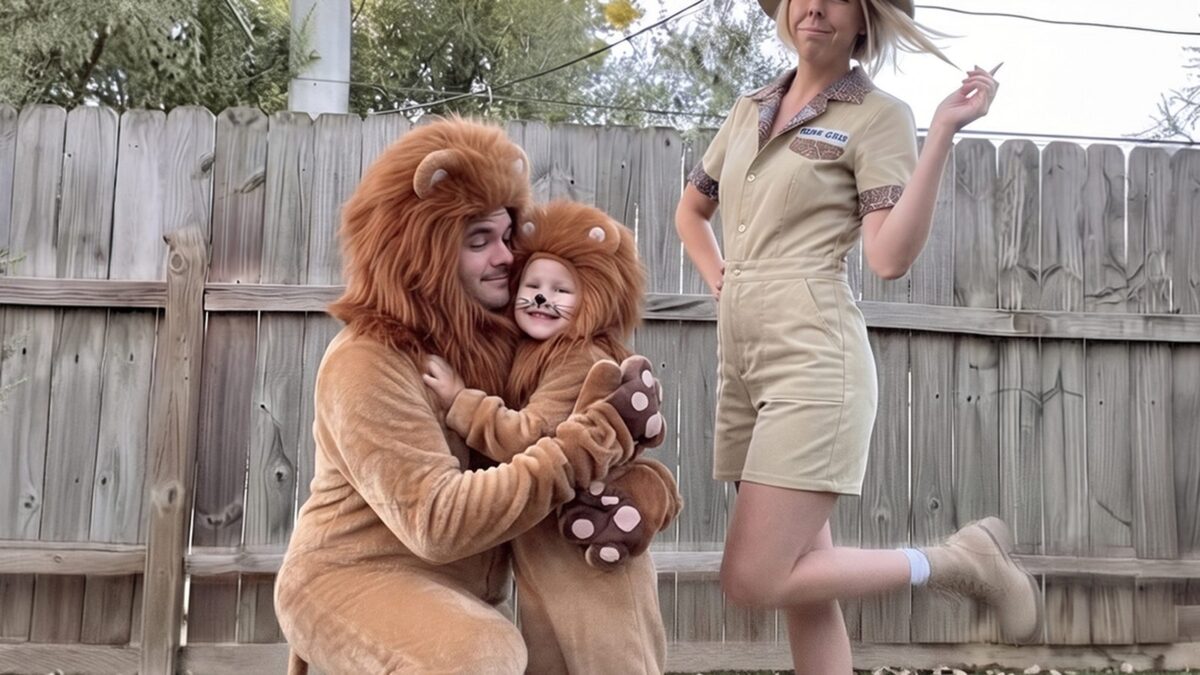
The beauty of safari costume ideas extends far beyond individual wear. These costumes excel as group themes, allowing families, friends, or coworkers to create coordinated looks without requiring identical outfits. One person can embody the classic safari guide while others transform into wildlife photographers, zookeepers, or even the animals themselves. This versatility makes safari themes perfect for everything from halloween safari costumes to themed birthday parties and corporate events.

Modern safari costumes have also embraced inclusivity and creativity. Today’s interpretations range from historically accurate reproductions complete with authentic-looking gear to playful, colorful variations that prioritize fun over realism. Whether you’re aiming for the rugged authenticity of a National Geographic photographer or the whimsical charm of a cartoon explorer, the safari costume framework adapts to your vision.

The practical advantages don’t stop at cost and convenience. Safari costumes are inherently comfortable – they’re based on clothing designed for long days in challenging environments, which translates perfectly to long nights of trick-or-treating or dancing at costume parties. The breathable fabrics and sensible silhouettes mean you can enjoy your event without constantly adjusting uncomfortable elements or worrying about wardrobe malfunctions.

Key Elements That Define an Authentic Safari Costume

Understanding the core components of a traditional safari outfit provides the foundation for creating a convincing costume. The classic safari guide costume draws from practical exploration wear developed over decades of fieldwork in challenging environments.

The cornerstone of any safari look is the color palette. Authentic safari clothing relies heavily on neutral, earth-toned colors that blend with natural environments. Khaki remains the gold standard – this versatile tan color originated from the Urdu word “khak,” meaning dust, and was adopted by British military forces for its camouflage properties. Beige, olive green, and various shades of brown complete the traditional spectrum, creating a cohesive appearance that immediately signals “adventure.”

Fabric selection plays a crucial role in both authenticity and comfort. Traditional safari clothing prioritizes breathable materials like cotton and linen that provide protection from sun and insects while allowing air circulation. For costume purposes, cotton blends offer the best balance of appearance, comfort, and affordability. Avoid synthetic materials that appear too modern or shiny – the goal is to look like you’ve been trekking through the wilderness, not attending a business meeting.

The silhouette of safari clothing emphasizes functionality over fashion. Shirts typically feature multiple pockets for storing field equipment, rolled sleeves for temperature regulation, and button-front designs for easy layering. Pants and shorts should be roomy enough for comfortable movement while maintaining a neat appearance. The overall effect should suggest someone prepared for action rather than posed for a photo shoot.

Essential accessories transform basic clothing into a convincing safari ensemble. A wide-brimmed hat provides the most immediate visual impact – it’s the single item that most strongly communicates “explorer” to observers. Sturdy boots ground the costume literally and figuratively, suggesting someone ready to traverse rough terrain. Binoculars serve as both a practical prop and a clear indicator of the wearer’s role as an observer of wildlife.

The key difference between authentic safari attire and costume versions lies in the details. Real safari clothing incorporates technical features like UV protection, insect-repelling treatments, and reinforced stress points. Costume versions prioritize visual impact and comfort over technical performance. This distinction actually works in favor of costume creators – you can achieve the right look without investing in expensive technical gear.

When assembling your safari outfit adult ensemble, focus on creating a cohesive story. Each element should support the narrative of someone prepared for adventure. A perfectly pressed outfit suggests a novice on their first expedition, while slightly rumpled clothing with strategic dust or wear marks implies an experienced explorer. The level of “authenticity” you choose depends on your personal style and the tone of your event.

Safari-Themed Costume Roles: Inspiration for Every Family Member

Family dressed in safari-themed costumes featuring breathable fabrics and practical zippers for easy adventure wearmorphsuits.com/blog/wp-content/uploads/2025/07/family_in_safari_costumes_celebrating_with_confett.webp” alt=”Family in safari costumes celebrating with confetti, posed dynamically against a soft gray background.” />

The versatility of safari themed costumes shines brightest when you consider the diverse roles available within the safari theme. Each family member can embody a different character, creating a cohesive group dynamic that tells a complete story of adventure and exploration.

Safari Guide – The Classic Explorer

The safari guide costume represents the quintessential explorer look that most people envision when thinking of safari adventures. This role works perfectly for adults who want to embody the knowledgeable leader of an expedition. The foundation consists of khaki shorts or long pants paired with a light-colored, long-sleeved shirt that can be rolled up for a more casual appearance.

Essential accessories include a wide-brimmed safari hat, sturdy hiking boots, and binoculars worn around the neck. A utility belt with pouches adds authenticity and provides practical storage for small items during your event. The key to nailing this look lies in the details – slightly wrinkled clothing suggests field experience, while a confident posture communicates expertise.

For those crafting this costume from existing wardrobe items, focus on earth-toned pieces in cotton or cotton blends. The shirt should ideally feature chest pockets and epaulettes for that authentic safari guide appearance. If you don’t own appropriate binoculars, they can be easily crafted from toilet paper rolls covered in black paper or fabric.

Zookeeper – The Animal Care Specialist

The zookeeper variation of safari costumes for men and women offers a slightly different take on the animal expert theme. This role emphasizes the caretaker aspect of wildlife interaction, making it perfect for those who want to showcase their nurturing side while maintaining the adventurous safari aesthetic.

Zookeeper costumes typically feature more structured clothing – think khaki or green work shirts with name tags, utility belts loaded with “equipment,” and comfortable work boots. The addition of a small stuffed animal or animal hand puppet creates an immediate visual connection to the role and provides a fun interactive element for parties.

This costume works exceptionally well for parents who want to coordinate with children dressed as various animals. The zookeeper naturally becomes the leader and protector of the animal group, creating built-in photo opportunities and role-playing scenarios.

Wildlife Photographer – The Creative Observer

The wildlife photographer role adds a modern twist to traditional safari themed costume ideas. This character focuses on capturing rather than hunting, appealing to environmentally conscious costume wearers who want to emphasize conservation and documentation.

Key elements include a photographer’s vest with multiple pockets, a camera (real or prop) with a large telephoto lens, and perhaps a tripod carried as an accessory. The clothing should be practical and comfortable, suggesting someone who spends long hours in the field waiting for the perfect shot.

This role works particularly well for teenagers and adults who want to incorporate actual photography into their costume experience. A vintage-style camera or even a smartphone with a telephoto lens attachment can serve as both prop and functional equipment for documenting the event.

Jungle Scientist – The Research Specialist

For those who want to emphasize the educational and scientific aspects of safari exploration, the jungle scientist role offers intellectual appeal. This costume combines traditional safari elements with laboratory-inspired accessories, creating a unique hybrid that stands out from standard explorer looks.

The foundation includes khaki field clothing topped with a lightweight lab coat or vest. Essential props include a clipboard with field notes, specimen collection containers, a magnifying glass, and perhaps a field guide to local flora and fauna. This role particularly appeals to educators, students, and anyone who wants to highlight the research aspects of wildlife exploration.

The jungle scientist costume offers excellent opportunities for interactive elements – create fake field notes, prepare “specimens” in clear containers, or carry a tablet displaying wildlife information that you can share with other party guests.

Role Key Clothing Essential Accessories Best For
Safari Guide Khaki shirt, shorts/pants, boots Safari hat, binoculars, utility belt Adults wanting classic explorer look
Zookeeper Work shirt, khaki pants, name tag Stuffed animal, utility belt, boots Parents coordinating with animal costumes
Wildlife Photographer Multi-pocket vest, comfortable pants Camera, telephoto lens, tripod Photography enthusiasts, teens
Jungle Scientist Field clothes, lab coat/vest Clipboard, specimens, magnifying glass Educators, students, research-minded individuals

Monkey – The Playful Primate

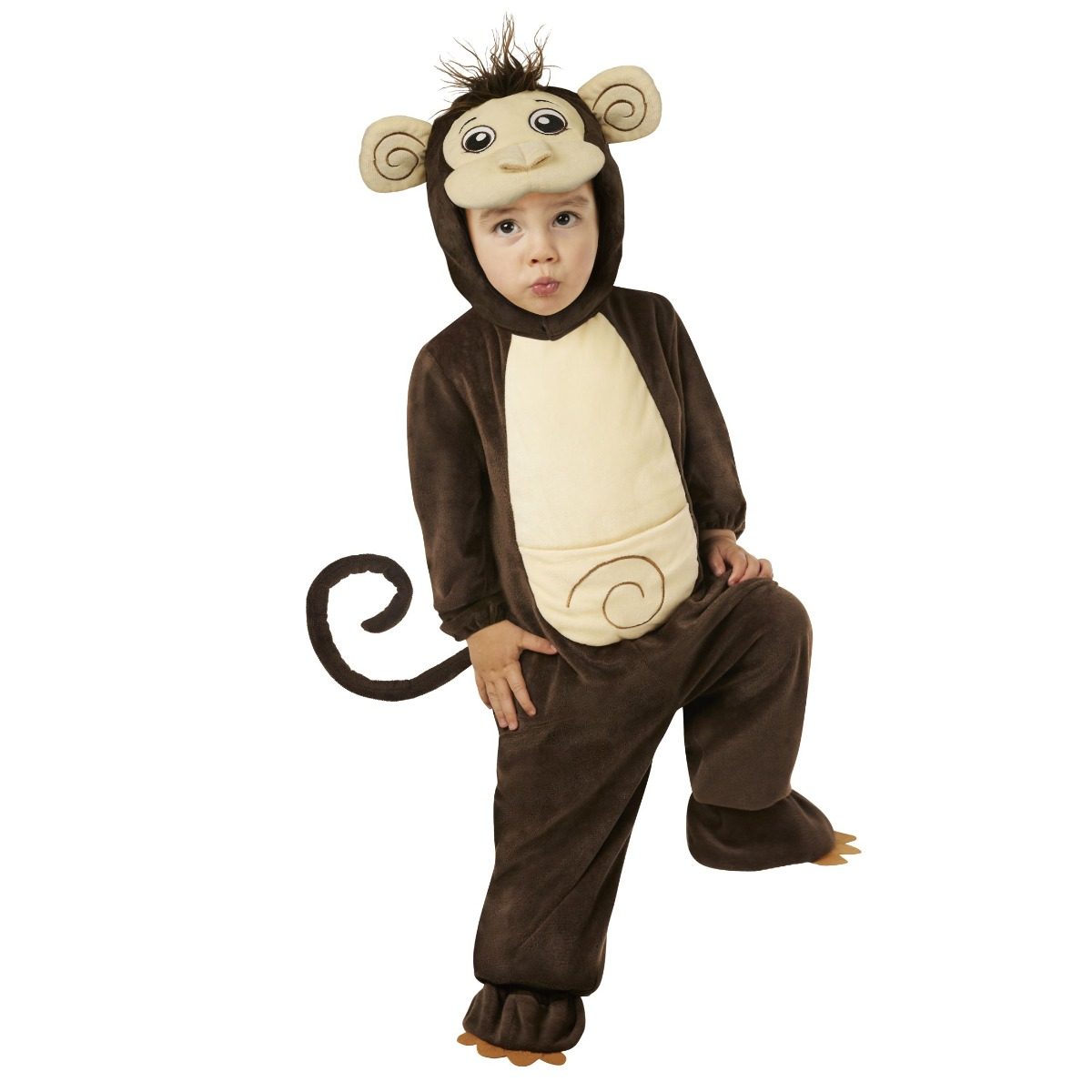
Monkey costumes bring infectious energy and playful spirit to any safari costume group. These versatile costumes work exceptionally well for children but can be equally entertaining for adults who want to embrace their silly side during costume events.

The foundation uses brown clothing in various shades – from light tan to dark chocolate brown. A brown hoodie provides an excellent base, especially if it already has a hood that can be modified with ears. Add a long brown tail made from rope, fabric, or even a brown sock stuffed with batting and attached to the back of the pants.

Face paint enhances the monkey transformation significantly. Use brown and tan tones to create a muzzle effect around the mouth and nose area, with darker brown around the eyes. Don’t forget to add some playful touches like exaggerated expressions or even temporary tattoos of bananas for extra whimsy.

The beauty of monkey costumes lies in their interactive potential. Encourage playful behavior, carry toy bananas as props, and practice monkey-like movements that will entertain other party guests and create memorable photo opportunities.

Snake – The Slithering Serpent

Snake costumes offer a unique challenge within safari themed costumes, requiring creative approaches to suggest the serpentine form while maintaining human mobility. These costumes work particularly well for those who want something different from the typical four-legged animal options.

Choose clothing in snake-appropriate colors – greens for jungle vipers, browns and tans for desert species, or bold patterns for more exotic varieties. Create scale effects using fabric paint, sequins, or even carefully applied makeup sponges with metallic paint for a shimmering effect.

The key accessory for snake costumes is a realistic snake prop that can be worn around the neck or carried as a companion. This immediately identifies the costume while adding an interactive element. Face paint should emphasize the eyes with dramatic makeup and perhaps add scale patterns extending from the hairline down the neck.

For group dynamics, the snake costume works well as a mysterious, slightly dangerous character that other safari members must approach with caution, creating natural role-playing opportunities.

Store-Bought vs. DIY Safari Costumes: Making the Right Choice

Family dressed in safari-themed costumes featuring breathable fabrics and practical zippers for easy adventure wearmorphsuits.com/blog/wp-content/uploads/2025/07/textured_khaki_mannequin_with_sewing_tools_safari_.webp” alt=”Textured khaki mannequin with sewing tools, safari shirt and hat, colorful confetti floating.” />

When planning your safari outfit adult ensemble, you’ll face the fundamental decision between creating your own costume or purchasing a ready-made option. Each approach offers distinct advantages and challenges that can significantly impact your costume experience, budget, and overall satisfaction.

DIY Safari Costume Pros

  • Complete customization to fit your exact vision and body type
  • Significant cost savings, especially when using existing wardrobe items
  • Creative satisfaction and personal accomplishment
  • Ability to adjust and modify throughout the creation process
  • Unique results that won’t match anyone else’s costume
  • Educational opportunity for children to learn crafting skills

DIY Safari Costume Cons

  • Time-intensive planning, shopping, and construction phases
  • Requires crafting skills and access to materials and tools
  • Risk of unsatisfactory results, especially for complex designs
  • Potential for higher costs if multiple attempts are needed
  • Limited durability compared to professionally manufactured costumes
  • Stress of last-minute problems or construction failures

The decision between DIY and store-bought safari costume ideas often depends on your available time, crafting confidence, and specific vision for the final result. Many successful safari costumes actually combine both approaches – purchasing key foundation pieces while creating custom accessories that personalize the look.

When to Choose DIY Safari Costumes

DIY approaches work best when you have specific vision requirements that standard costumes can’t meet. If you’re creating a family group theme with multiple coordinated characters, DIY allows you to ensure all costumes complement each other perfectly. This approach also makes sense when you already own many of the necessary clothing items, particularly the khaki and earth-toned pieces that form safari costume foundations.

Budget-conscious costume creators often find DIY approaches more economical, especially for large families or groups. The cost of purchasing multiple store-bought costumes can quickly escalate, while DIY versions can be created using shared materials and existing wardrobe items.

Creative individuals who enjoy crafting projects often prefer DIY approaches for the personal satisfaction and unique results they provide. These costumes become conversation starters precisely because they’re obviously handmade and personalized.

When to Choose Store-Bought Safari Costumes

Store-bought men’s safari costumes and other pre-made options excel when time is limited or when you want guaranteed professional results. These costumes undergo design and testing processes that ensure proper fit, durability, and visual impact.

For elaborate animal costumes requiring complex construction techniques, store-bought options often provide superior results. Professional costume manufacturers have access to specialized materials, patterns, and construction methods that create more convincing and durable animal transformations.

Store-bought costumes also offer consistency when outfitting large groups or when multiple family members need similar quality levels. This approach eliminates the risk of some costumes turning out better than others, ensuring everyone feels confident and comfortable in their safari role.

The Hybrid Approach: Best of Both Worlds

Many successful safari halloween costumes combine store-bought foundations with DIY accessories and modifications. This approach allows you to benefit from professional construction quality while adding personal touches that make the costume uniquely yours.

For example, you might purchase a basic khaki safari outfit and then create custom accessories like binoculars, safari hats, or animal companions. Alternatively, you could buy animal ears and tails while crafting the clothing components yourself.

This hybrid approach often provides the best balance of time investment, cost control, and final results. It allows you to focus your creative energy on the most impactful elements while ensuring the foundation pieces fit properly and look professional.

Accessories & Makeup to Complete Your Safari Look

The difference between a basic costume and a memorable safari guide costume often lies in the thoughtful selection and application of accessories and makeup. These finishing touches transform simple clothing into convincing character portrayals that capture the essence of safari adventure.

Essential Safari Accessories That Make the Difference

Safari hats rank among the most crucial accessories for any safari costume, instantly communicating the outdoor adventure theme. Wide-brimmed hats in khaki, tan, or olive green provide both authentic appearance and practical sun protection during outdoor events. Look for hats with chin straps, side snaps, or decorative elements like feathers or pins that suggest extensive field experience.

Binoculars serve as the quintessential safari accessory, whether real or crafted from household materials. For DIY versions, toilet paper rolls covered in black paper or fabric create convincing props when connected with string or elastic straps. Real binoculars add authenticity but should be lightweight to avoid discomfort during extended wear.

Utility belts and pouches suggest the practical needs of safari exploration. These accessories can hold small props, snacks, or personal items while contributing to the costume’s authenticity. Look for belts with multiple pouches, carabiner clips, or tool attachments that suggest field equipment.

Walking sticks or safari staffs add another layer of authenticity, particularly for guide characters. These props can be crafted from dowel rods, painted hiking sticks, or even repurposed umbrella handles. Add leather wrapping, compass attachments, or carved details for enhanced realism.

Pro Tip: Create a “field journal” prop by aging a small notebook with tea stains and filling it with sketches of animals, maps, and adventure notes. This interactive prop provides conversation starters and photo opportunities while adding authentic explorer credibility to your costume.

Animal Costume Accessories for Authentic Transformations

Animal ears represent the most crucial accessory for safari animal costumes, instantly communicating the specific species you’re portraying. Craft ears using felt, fabric, or even cardboard, ensuring they’re proportionally correct for your chosen animal. Attach ears to headbands, hats, or hair clips for secure but comfortable wear.

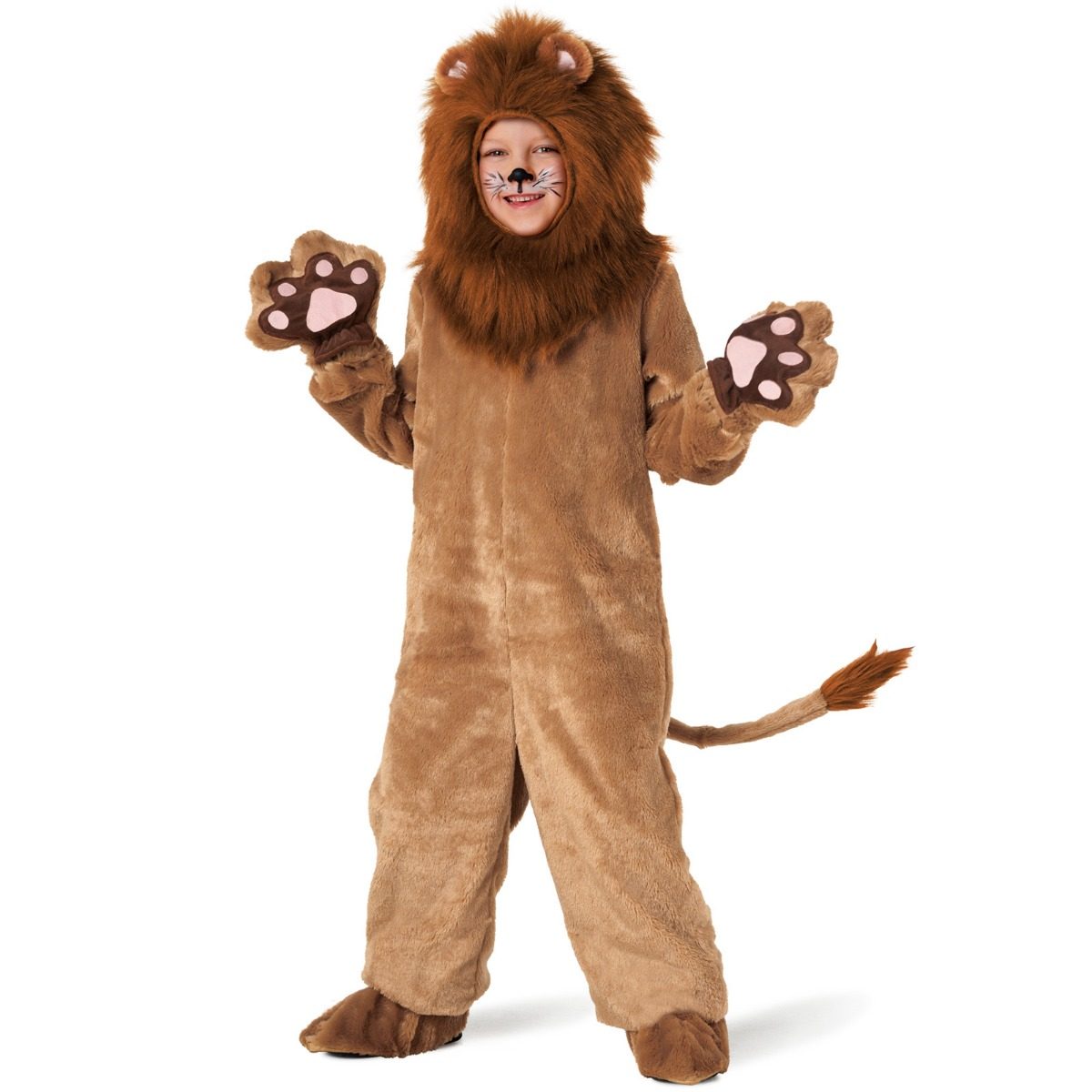
Tails add movement and authenticity to animal costumes, creating dynamic visual elements that enhance the transformation. Rope tails work well for lions and other big cats, while fabric tails suit animals like zebras or giraffes. Ensure tails are securely attached and won’t create tripping hazards during movement.

Animal print accessories like scarves, gloves, or face masks can enhance costumes without requiring full animal transformation. These elements work particularly well for adults who want subtle animal references while maintaining sophisticated appearance.

Wings transform safari themes to include birds, butterflies, or other flying creatures. Store-bought wings often provide better structure and appearance than DIY versions, particularly for elaborate butterfly or bird costumes that require realistic movement and visual impact.

Makeup Techniques for Safari Characters

Face paint transforms basic costumes into convincing character portrayals, whether you’re creating human safari roles or animal transformations. For safari guides and explorers, subtle makeup techniques can suggest sun exposure, adventure wear, and outdoor lifestyle.

Use brown eyeshadow or face paint to create subtle “dirt” effects on cheeks, forehead, and chin, suggesting recent outdoor activity. Slightly darken the skin tone to imply sun exposure, but avoid overdoing effects that might appear offensive or unrealistic.

Animal face painting requires more dramatic techniques but creates stunning transformation effects. Start with base colors appropriate to your chosen animal, then add distinctive markings, whiskers, and features that capture the species’ essence.

For big cats like lions or tigers, emphasize the eyes with dramatic liner and shadow work. Create whisker dots using black face paint, and add nose coloring that matches your animal choice. Extend markings down the neck and onto visible skin areas for more complete transformation.

Zebra face painting involves creating bold black and white stripes that follow facial contours. Start with white base coverage, then add black stripes using face paint or makeup. The key is maintaining stripe consistency while working with the natural curves and angles of the face.

The success of any safari costume adult ensemble ultimately depends on the careful coordination of clothing, accessories, and makeup elements that work together to create a cohesive and convincing character portrayal. Whether you choose elaborate transformations or subtle suggestions, the attention to these finishing details will elevate your costume from simple dress-up to memorable safari adventure.

Bringing Your Safari Adventure to Life

Family dressed in safari-themed costumes featuring breathable fabrics and practical zippers for easy adventure wearmorphsuits.com/blog/wp-content/uploads/2025/07/safari_explorer_with_gear_compass_foliage_and_dust.webp” alt=”Safari explorer with gear, compass, foliage, and dust in a dynamic, photorealistic scene.” />

Creating the perfect safari costume represents more than just assembling clothing and accessories – it’s about embracing the spirit of adventure and exploration that defines the safari experience. Whether you choose to embody a knowledgeable guide leading expeditions through dangerous terrain, transform into a majestic lion ruling the savanna, or become any of the countless other safari characters, your costume becomes a gateway to adventure and imagination.

The beauty of safari-themed costumes lies in their incredible versatility and accessibility. From simple DIY approaches using existing wardrobe items to elaborate store-bought ensembles with professional-quality details, safari costumes accommodate every budget, skill level, and creative vision. The key to success lies not in expensive materials or complex construction techniques, but in thoughtful planning and attention to the details that make each character distinctive and memorable.

Remember that the most successful safari costume ideas often combine multiple approaches – perhaps a store-bought foundation enhanced with handcrafted accessories, or DIY clothing paired with professional-quality makeup techniques. This hybrid approach allows you to focus your creative energy where it will have the most impact while ensuring comfort, durability, and visual appeal throughout your event.

As you embark on your safari costume journey, consider the broader context of your costume event. Group coordination creates more impactful presentations, while individual creativity ensures your costume stands out from the crowd. The interactive elements you incorporate – from prop binoculars to animal behavior portrayals – will determine how memorable your costume becomes for both you and others at your event.

The safari theme’s enduring popularity stems from its ability to transport us to worlds of adventure and discovery, where every character has a role to play in the grand narrative of exploration. Your costume becomes part of this larger story, contributing to the collective imagination that makes costume events truly special. Whether you’re prowling as a fierce predator, guiding others through imaginary dangers, or documenting wildlife through a photographer’s lens, your safari costume connects you to the timeless human fascination with the wild and unknown. For a completely different yet equally iconic look rooted in tradition and joy, consider the
Santa Claus Costume to bring holiday magic to your next event.

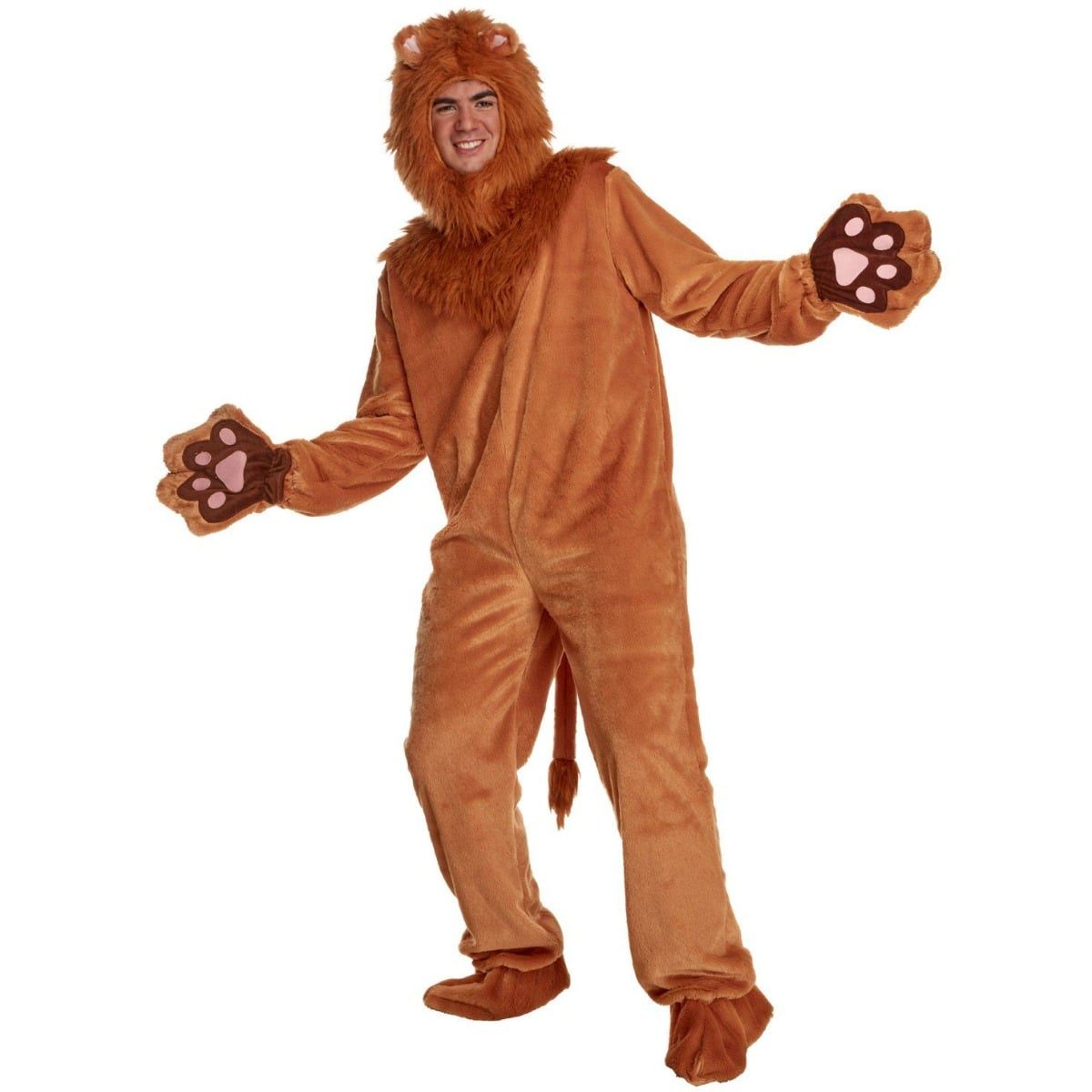
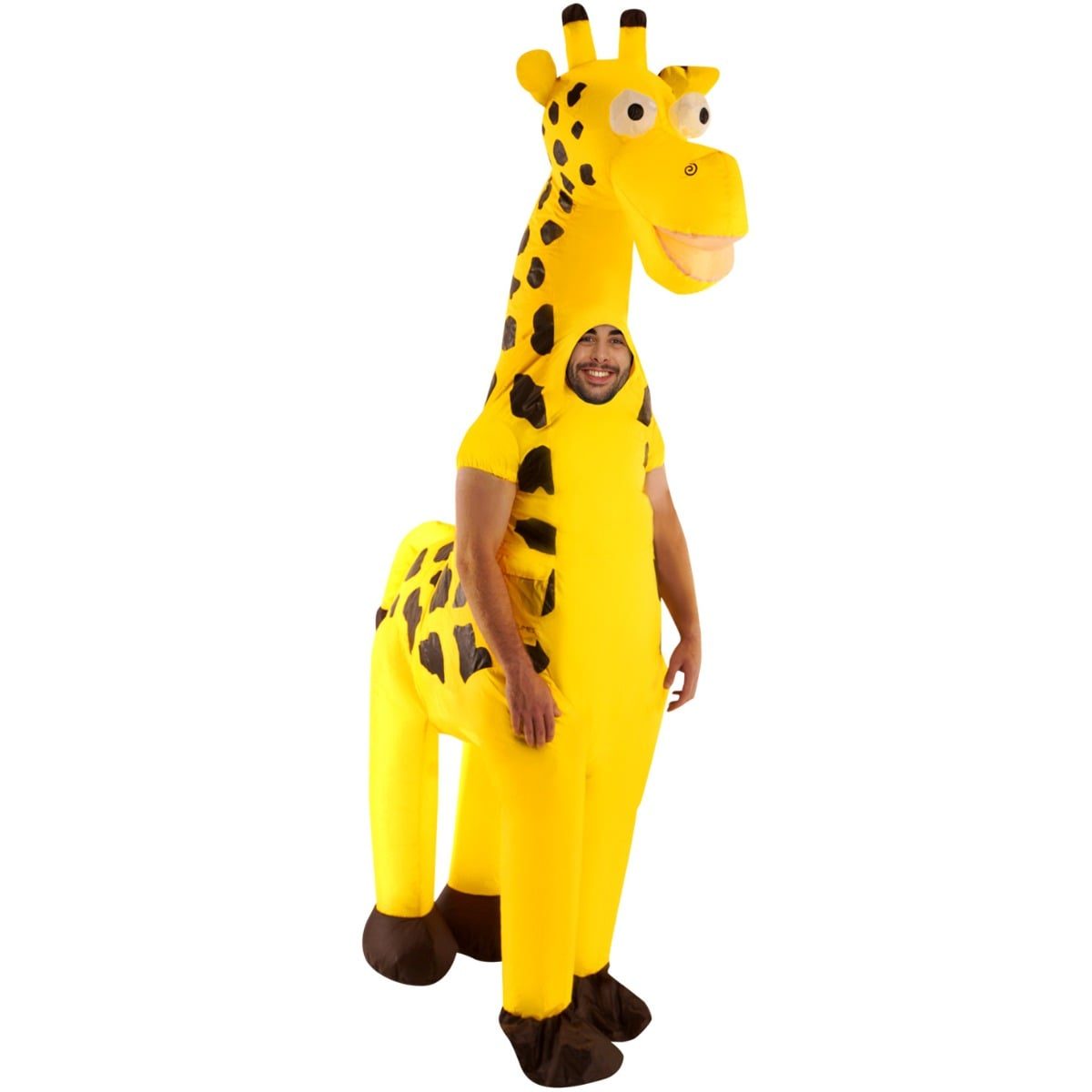
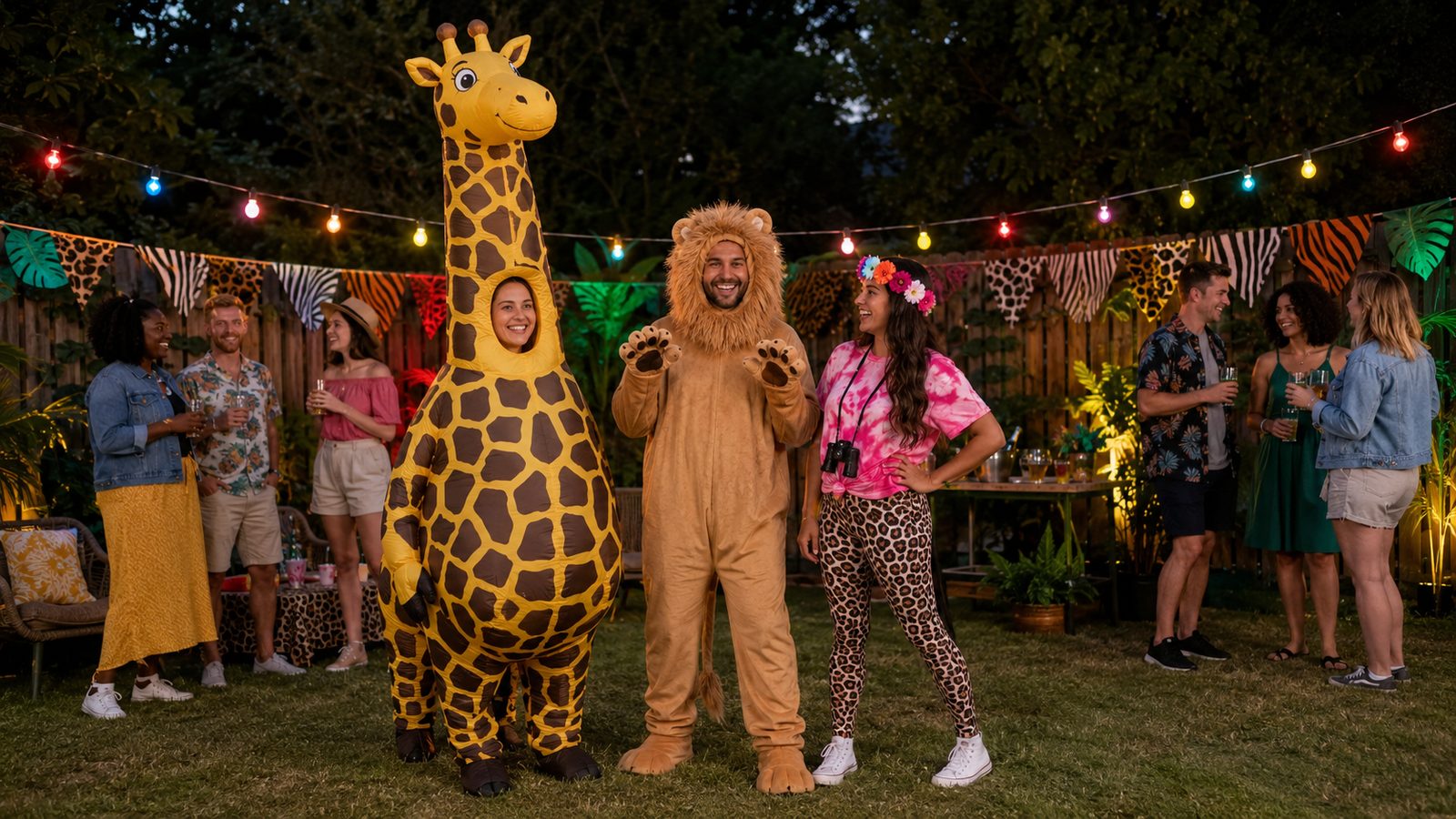
For even more inspiration and tips on creating the ultimate group or family safari look, check out this real-life safari family costume story and explore animal costumes that can help bring your wildest ideas to life. If you’re looking for a fun twist, inflatable options like the giraffe giant inflatable costume or lion costume big mouth inflatable mens are sure to stand out at any event. And for more creative ideas and costume hacks, don’t miss the Morphsuits blog on the sexiest Halloween costumes or this handy DIY safari costume guide.

Check out our Animal Costumes

**

Frequently Asked Questions

How to dress up for a safari?

Dressing up for a safari means choosing comfortable, breathable clothing that blends with the natural environment. Opt for lightweight fabrics like cotton or linen, wear long sleeves and pants to protect against sun and insects, and pair your outfit with a wide-brimmed hat and sturdy, closed-toe shoes. Accessories like binoculars and a utility belt can complete the look while keeping it practical. If you’re aiming for something more colorful and theatrical,
Circus Costumes offer a vibrant alternative full of personality and fun.

What is a safari outfit called?

A safari outfit is often referred to as a ‘safari suit’ or ‘safari attire,’ typically consisting of neutral-colored clothing designed for comfort and functionality in warm outdoor settings. Classic elements include khaki shirts and trousers, often with multiple pockets and made from breathable materials, providing both style and practicality for wildlife adventures.

What is Safari’s dress code?

Safari dress code emphasizes comfort, practicality, and camouflage to avoid disturbing wildlife. Neutral earth tones like beige, olive, and brown are preferred, while clothing should be loose-fitting, lightweight, and protective against sun and insects. Bright colors, heavy fabrics, and excessive accessories are discouraged to maintain safety and blend into the environment.

What are some common safari costume mistakes to avoid?

Common mistakes include wearing bright or dark colors that attract insects or scare animals, choosing synthetic fabrics that trap heat and cause discomfort, and selecting ill-fitting clothes that restrict movement. Another pitfall is forgetting essential accessories like hats or appropriate footwear, which can impact both safety and the authentic safari look.

What color clothes to avoid on safari?

On safari, it’s best to avoid bright colors such as red, orange, and pink, as these can attract unwanted insect attention and disturb wildlife. Dark colors like black and navy are also discouraged because they absorb heat and can make you uncomfortably warm during the day. Instead, stick to earth tones like khaki, beige, olive, and brown.

Is it OK to wear jeans on a safari?

While jeans are durable, they are generally not recommended for safari because their heavy denim fabric lacks breathability and can cause overheating. Lightweight, quick-drying trousers made from materials like cotton or nylon blends are better suited for the varying temperatures and physical activity involved in a safari adventure.

About the Author

Joe is the chief contributing writer for the MorphCostumes Blog.

MorphCostumes is the Costume Brand that gives you the costumes that make your best times in life even better.

We are the brand for people who want to make Halloween, Christmas, Easter, Birthdays or BBQ Parties even better with great costumes and have won many awards.

We know that many people have experienced having these events ruined by a rubbish costume they have bought online from a no-brand Chinese factory. The costume might turn up not looking like it was advertised, badly fitting, of poor quality so it tears easily. The material may be see-through, non-breathable or itchy. It also might be missing key accessories that complete the look.

MorphCostumes ensures that it makes your best times better by doing the following:

  • Having thousands of innovative and unique costume designs.
  • Ensuring fit by testing 30 or more separate measurements on each costume design.
  • Guaranteeing quality by performing over 500,000 in-person quality checks each year.
  • Always using 125 GSM or more material for a soft, breathable and quality feel.
  • Always being clear on what is included in the costume so you are never disappointed.

Through sticking to these values since launching in 2009, we have won awards such as Disney Product of the Year, and the business has been recognised as an Ernst & Young Entrepreneur of the Year finalist (twice), featured on the FEBE 100 fastest growing companies list (twice), the Sunday Times Fast Track, and the Maserati Top Companies List.

We have also appeared across publications such as the Wall Street Journal, CNBC, BBC, Wired, BuzzFeed, The Times, The Telegraph, The Financial Times, and The Guardian.

Submit a comment

Your email address will not be published. Required fields are marked *