The Ultimate Guide to 1960s Costumes and Fashion
Quick Answer
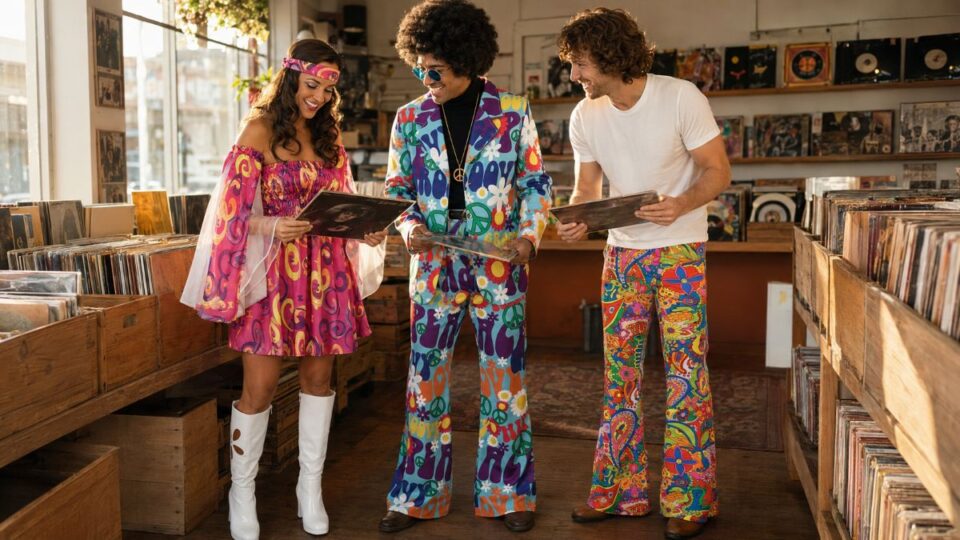
60’s outfits are defined by two major styles: Mod fashion featuring mini skirts, A-line shift dresses, and geometric patterns, and Hippie style with tie-dye, bell-bottoms, and flowing fabrics. Key accessories include go-go boots, headbands, peace sign jewelry, and bold sunglasses. The decade’s fashion revolutionized self-expression through vibrant colors, innovative silhouettes, and a mix of futuristic and bohemian elements.
Key Takeaways
- 60’s outfits are characterized by Mod fashion with mini skirts, A-line shift dresses, and geometric patterns.
- Hippie style in the 60s includes tie-dye, bell-bottoms, and flowing fabrics.
- Popular accessories from the decade include go-go boots, headbands, peace sign jewelry, and bold sunglasses.
- The 1960s fashion revolutionized self-expression through vibrant colors and innovative silhouettes.
- The decade combined futuristic and bohemian elements to create unique and diverse styles.
Table of Contents
The 1960s stands as one of the most revolutionary decades in fashion history, fundamentally reshaping how people dressed and expressed themselves. This transformative era gave birth to iconic styles that continue to influence modern fashion and remain popular choices for themed parties, Halloween celebrations, and retro events. To complete an authentic vintage look,
Long Black Gloves add a touch of elegance that channels the timeless glamour of the era.
Key Fact: The 1960s introduced the mini skirt, which raised hemlines by 6-8 inches compared to previous decades, symbolizing the era’s spirit of rebellion and youth empowerment.
The decade’s fashion revolution emerged from a perfect storm of cultural shifts. The post-war economic boom created unprecedented prosperity, giving young people disposable income to spend on clothing. Simultaneously, the “youthquake” movement challenged traditional values, with teenagers and young adults demanding fashion that reflected their bold, optimistic outlook—much like today’s trend of Mommy And Me Halloween Costumes, which celebrate individuality and shared expression
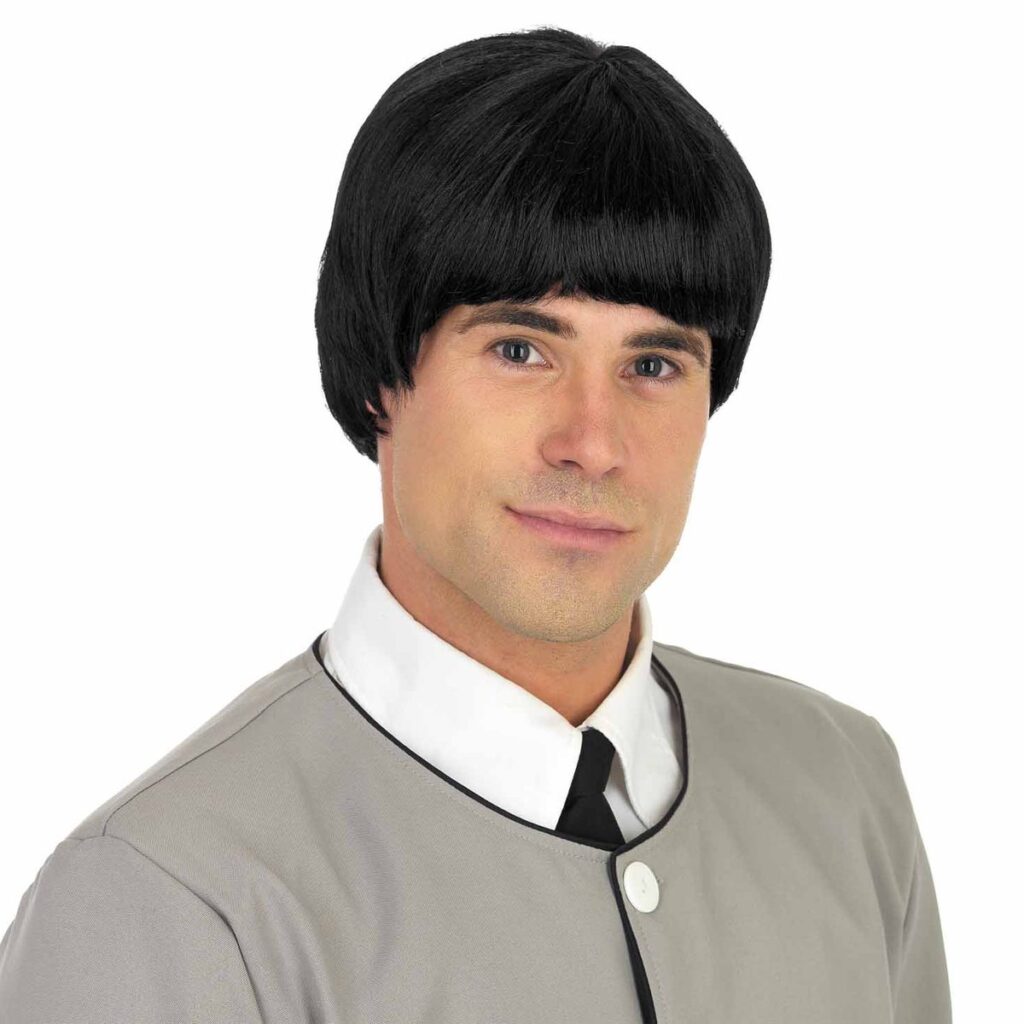
Music played a crucial role in shaping 60’s costumes and style. The Beatles’ arrival in America sparked “Beatlemania,” influencing both men’s and women’s fashion with their mod-inspired looks. Later in the decade, psychedelic rock and the counterculture movement introduced tie-dye, fringe, and bohemian elements that became synonymous with hippie fashion.
The Cultural Revolution Behind 60s Fashion
The 1960s fashion scene was intrinsically linked to the decade’s social and political upheaval. The civil rights movement, women’s liberation, and anti-war protests all influenced clothing choices, with fashion becoming a form of political and personal expression.
London emerged as the epicenter of fashion innovation, earning the nickname “Swinging London.” Designers like Mary Quant revolutionized women’s clothing with the mini skirt, while Carnaby Street became synonymous with cutting-edge men’s fashion. This British invasion of style spread globally, influencing 60’s outfits worldwide.
The space race also impacted fashion, with designers creating futuristic looks featuring metallic fabrics, geometric shapes, and unconventional materials. This “Space Age” aesthetic became a defining characteristic of mod fashion, representing society’s fascination with technology and the future. For a historical contrast, explore traditional Pilgrim Costume Ideas that reflect early American style.
Why 60s Style Remains Relevant Today
The enduring appeal of 1960s costume ideas stems from the decade’s emphasis on individuality and self-expression. Unlike previous eras that emphasized conformity, the 60s celebrated personal style and encouraged experimentation with color, pattern, and silhouette.
Modern fashion regularly draws inspiration from 60s themes, with designers reinterpreting classic elements for contemporary audiences. The A-line dress, bold geometric prints, and statement accessories remain wardrobe staples, proving the timeless nature of 60s design principles.
The 1960s democratized fashion, making stylish clothing accessible to young people regardless of social class. This shift from haute couture to ready-to-wear fashion fundamentally changed the industry and continues to influence how we shop and dress today.
Perfect Occasions for 60s Costumes
Understanding when and where to wear 60’s themed outfits enhances their impact and ensures appropriate styling choices. These versatile looks work for numerous occasions:
- Halloween celebrations: 60s halloween costumes offer instantly recognizable looks that are both fun and historically significant
- Themed parties: Whether it’s a decade party or specific 60s theme, these outfits create authentic period atmosphere
- Music festivals: Hippie-inspired 60s dress up perfectly captures the free-spirited festival vibe
- Theatrical productions: Period-accurate 1960s costumes are essential for plays and performances set in the era
- Retro events: Vintage car shows, mod nights, and nostalgia celebrations call for authentic 60s styling
- Fashion inspiration: Modern interpretations of 60s accessories and silhouettes work for contemporary wear
The key to successfully wearing 60’s party outfits lies in understanding the cultural context and choosing elements that resonate with your personal style. Whether you’re drawn to the clean lines of mod fashion or the free-flowing bohemian aesthetic, 60s style offers something for everyone.
“The beauty of 1960s fashion lies in its dual nature – it was both rebellious and optimistic, structured yet free-flowing. This contradiction creates endless possibilities for modern interpretation.” – Fashion historian specializing in 20th-century trends
The versatility of 60s fashion extends beyond special events. Many 60’s outfit ideas can be adapted for everyday wear, incorporating vintage-inspired pieces into modern wardrobes. This approach allows fashion enthusiasts to celebrate the era’s innovative spirit while maintaining contemporary relevance.
As we explore the specific styles and trends that defined the decade, you’ll discover how to create authentic looks that capture the revolutionary spirit of the 1960s while expressing your unique personality.
Key Styles and Trends That Defined 1960s Fashion

The 1960s costume landscape was shaped by distinct style movements that emerged throughout the decade. Understanding these key trends is essential for creating authentic 60’s costumes that capture the era’s revolutionary spirit. Each style represented different cultural movements and offered unique approaches to self-expression.
Mod Fashion – The Futuristic Youth Revolution
Mod fashion emerged in London’s underground scene during the early 1960s, representing a clean break from traditional clothing styles. This movement emphasized geometric shapes, bold colors, and a futuristic aesthetic that perfectly captured the decade’s optimistic view of technology and progress.
The defining characteristics of mod fashion include:
- Mini skirts and A-line shift dresses – Hemlines rose dramatically, often 6-8 inches above the knee
- Geometric patterns – Bold stripes, checks, and abstract designs in contrasting colors
- Bright color palettes – Electric blues, hot pinks, sunshine yellows, and stark black and white combinations
- Clean, structured silhouettes – Emphasis on architectural lines and minimal embellishment
- Go-go boots – White or colored boots that reached mid-calf, often with block heels
Mod Icon: Twiggy, the British supermodel, became the face of mod fashion with her pixie haircut, dramatic eye makeup, and ability to showcase the era’s most innovative designs.
Key influencers like Mary Quant revolutionized women’s fashion by creating clothes specifically for young people. Her boutique “Bazaar” on King’s Road became a pilgrimage site for fashion-forward youth seeking the latest mod styles. André Courrèges contributed the space-age aesthetic with his use of white, silver, and geometric cuts that looked like they belonged in a science fiction film.
For men, mod fashion meant Italian-inspired slim suits, narrow lapels, and fitted trousers. The look was completed with slim ties, Chelsea boots, and perfectly styled hair. This represented a dramatic shift from the looser, more conservative menswear of previous decades.
Hippie & Bohemian Style – The Counterculture Movement
As the decade progressed, a counter-movement emerged that rejected the structured aesthetic of mod fashion in favor of flowing, natural styles. Hippie fashion drew inspiration from various global cultures, emphasizing comfort, individuality, and anti-establishment values.
The hippie aesthetic was characterized by:
- Tie-dye patterns – Psychedelic swirls of color created through hand-dyeing techniques
- Bell-bottom jeans – Pants that flared dramatically from the knee down
- Flowing maxi skirts and dresses – Long, loose garments that moved freely with the body
- Natural fabrics – Cotton, hemp, and other breathable materials in earth tones
- Ethnic influences – Paisley prints, Indian block prints, and Native American-inspired designs
- Layered accessories – Multiple necklaces, bracelets, and rings worn simultaneously
The cultural roots of hippie fashion traced back to the flower power movement, anti-war protests, and the famous Woodstock festival. This style represented a rejection of materialism and embraced handmade, secondhand, and repurposed clothing as a form of environmental and political consciousness.
“Hippie fashion wasn’t just about clothes – it was a complete lifestyle philosophy that valued peace, love, and harmony with nature. Every fringe vest and flower crown carried deeper meaning about rejecting conventional society.” – Cultural historian specializing in 1960s counterculture
Psychedelic & Groovy Looks – Art Meets Fashion
The late 1960s saw the emergence of psychedelic fashion, heavily influenced by the era’s experimental music scene and expanding consciousness movement. This style pushed boundaries with its bold use of color, pattern, and unconventional materials.
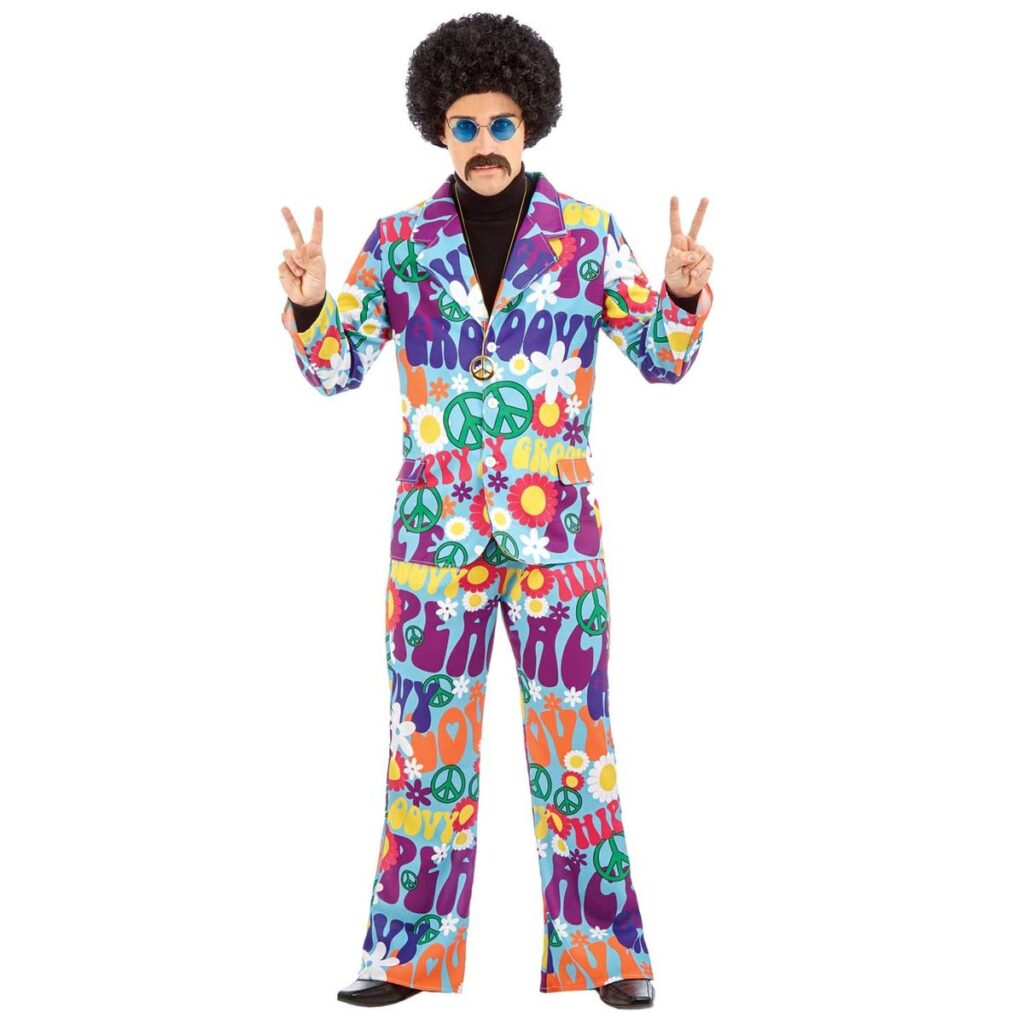
Psychedelic fashion featured vibrant swirling patterns that seemed to move and shift when viewed. Neon colors, optical illusions, and abstract designs dominated this aesthetic. Both men and women embraced increasingly flamboyant attire that challenged traditional gender norms and conservative dress codes.
The Evolution of 1960s Menswear
Men’s fashion underwent dramatic changes throughout the decade, moving from conservative suits to bold, expressive styles. The transformation reflected changing attitudes about masculinity and self-expression.
| Style Period | Key Characteristics | Iconic Pieces | Cultural Influence |
|---|---|---|---|
| Early 1960s Mod | Slim suits, narrow lapels, fitted trousers | Italian suits, skinny ties, Chelsea boots | British invasion, Beatles influence |
| Mid-1960s Casual | Striped shirts, fitted jackets, bold patterns | Turtlenecks, blazers, winklepicker shoes | Youth culture, music scene |
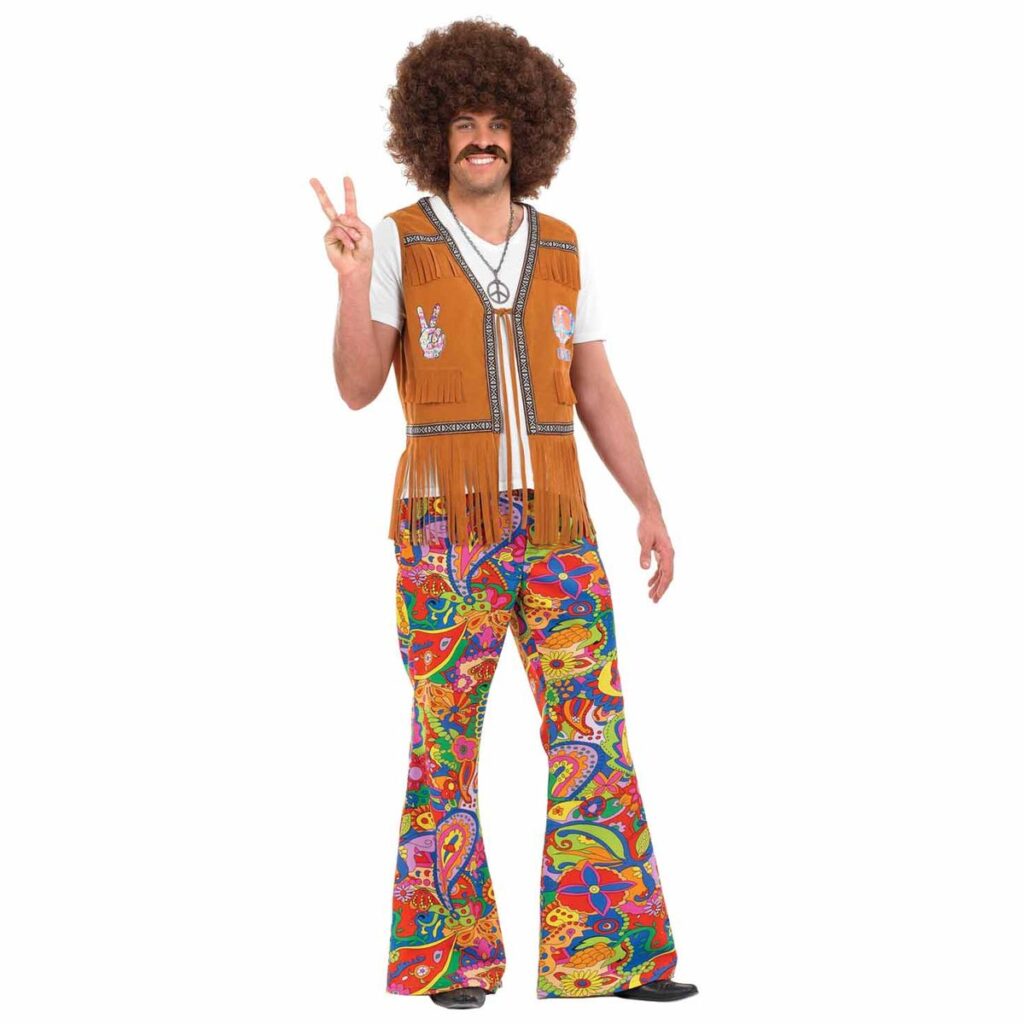
| Late 1960s Hippie | Flared pants, paisley shirts, longer hair | Fringe vests, beads, sandals | Counterculture, anti-establishment |
The transition from conservative to expressive menswear reflected broader social changes. Men began experimenting with color, pattern, and accessories in ways that would have been unthinkable in previous decades. Hair grew longer, clothing became more fitted or flowing, and traditional masculine dress codes were challenged.
Understanding the Three Phases of 60s Fashion
The decade’s fashion evolution can be divided into three distinct phases, each with its own characteristics and cultural significance. This progression helps explain why 60’s outfit ideas can vary so dramatically while still maintaining authentic period accuracy.
Early 1960s (1960-1963)
- Jackie Kennedy’s elegant suits and pillbox hats set the tone
- Audrey Hepburn’s sophisticated style influenced formal wear
- Conservative hemlines with emphasis on tailored silhouettes
- Pastel colors and refined accessories dominated
Late 1960s (1967-1969)
- Hippie movement introduced casual, flowing garments
- Psychedelic patterns and bold colors became mainstream
- Unisex clothing challenged traditional gender norms
- Handmade and ethnic influences gained popularity
The mid-1960s (1964-1966) represented the peak of the mod revolution, with designers like Mary Quant and Pierre Cardin pushing boundaries with mini skirts, geometric patterns, and space-age materials. This period saw the most dramatic shift in hemlines and silhouettes, fundamentally changing how women dressed.
Understanding these phases is crucial when selecting 60’s costumes for specific themes or events. An early-60s Jackie Kennedy-inspired look requires different elements than a late-60s Woodstock hippie outfit, even though both are authentically representative of the decade.
The beauty of 1960s fashion lies in its diversity – from the structured elegance of early mod to the free-flowing bohemian styles of the hippie movement, the decade offered something for every personality and occasion.
This rich variety of styles means that creating authentic 60’s themed outfits requires understanding not just the visual elements, but also the cultural context and timeline of each trend. Whether you’re planning a 60s halloween costume or incorporating vintage elements into modern wear, knowing these key styles ensures your look captures the true spirit of this revolutionary decade.
How to Create an Authentic 1960s Look
Creating an authentic 60’s costume requires understanding the specific elements that defined each style movement within the decade. The key to success lies in selecting the right combination of clothing, accessories, and styling details that work together to capture the era’s distinctive aesthetic.
Women’s 60s Outfit Essentials
For women seeking to create authentic 60’s outfits, the approach depends on which style movement you want to represent. Each required different silhouettes, colors, and accessories to achieve the proper look.
Mod Look Formula: A-line mini dress + go-go boots + geometric accessories + bold eye makeup = instant 1960s mod authenticity
The mod aesthetic for women centered around structured, geometric shapes and bold colors. A classic mod outfit includes a shift dress or mini skirt paired with a fitted top, white or colored go-go boots, and statement accessories like oversized sunglasses or a silk scarf tied at the neck. The silhouette should be clean and architectural, avoiding flowing or romantic elements.
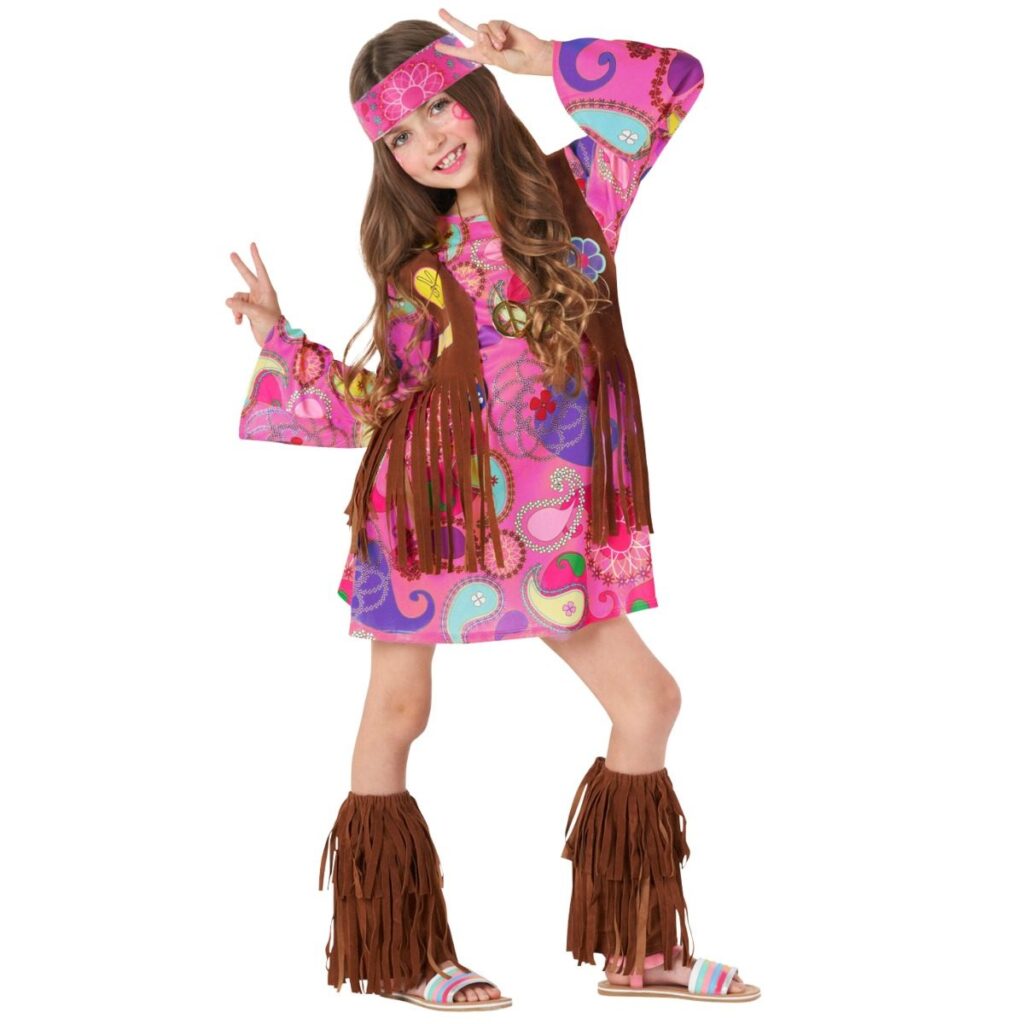
For hippie-inspired 60’s women’s costumes, the emphasis shifts to flowing, natural fabrics and earthy elements. A maxi dress or long skirt paired with a peasant blouse, fringe vest, or crochet top creates the foundation. Layer multiple necklaces, add a flower crown or headband, and complete the look with sandals or ankle boots.
- Mod essentials: A-line dresses, mini skirts, fitted blazers, geometric patterns, bright colors
- Hippie essentials: Maxi dresses, bell-bottom jeans, peasant blouses, tie-dye patterns, earth tones
- Psychedelic essentials: Bold prints, swirling patterns, metallic fabrics, statement jewelry
- Early 60s essentials: Tailored suits, pillbox hats, pearl accessories, pastel colors
Men’s 60s Costume Guide
Men’s 60’s costumes offer equally diverse options, from sharp mod suits to relaxed hippie styles. The key is understanding how masculine fashion evolved throughout the decade and selecting elements that represent your chosen time period and style movement.
For a mod-inspired men’s look, start with a slim-fitting suit in a bold color or pattern. The jacket should have narrow lapels, and trousers should be fitted through the leg. Add a thin tie, white dress shirt, and Chelsea boots or winklepicker shoes. Hair should be styled neat and short, often with a side part.
“The transformation of men’s fashion in the 1960s was revolutionary. By the end of the decade, men were wearing colors, patterns, and styles that would have been unthinkable at the beginning.” – Fashion historian specializing in 20th century menswear
Hippie men’s costumes embrace a more relaxed, counter-cultural aesthetic. Bell-bottom jeans or flared trousers form the foundation, paired with paisley or tie-dye shirts, fringe vests, and casual accessories like beads or peace sign necklaces. Hair should be longer and more natural, often with facial hair.
Kids’ 60s Costume Ideas
Children’s 60’s costumes can capture the decade’s playful spirit while remaining comfortable and age-appropriate. Young girls can wear mini dresses with bold patterns, paired with white tights and Mary Jane shoes. Boys can sport fitted pants with colorful shirts or sweater vests.
For hippie-inspired kids’ costumes, focus on comfortable, flowing garments in natural fabrics. Girls can wear peasant dresses with flower crowns, while boys can sport bell-bottom pants with colorful shirts and peace sign accessories.
Essential Accessories for Complete 60s Costumes

Accessories play a crucial role in creating authentic 60’s themed outfits. The right accessories can transform a basic outfit into a convincing period costume, while the wrong ones can undermine an otherwise perfect look.
Hair and Makeup for 60s Style
Hair and makeup were defining elements of 1960s style, with each movement having its own distinctive approaches. Understanding these beauty trends is essential for completing any 60s costume.
60s Hair Styles at a Glance:
- Mod: Geometric bob cuts, pixie cuts, bouffant styles
- Hippie: Long, straight hair, braids, natural textures
- Early 60s: Beehive updos, smooth chignons, structured styles
- Late 60s: Afros, shags, longer lengths for men
Makeup in the 1960s emphasized dramatic eyes with pale lips. The mod look featured bold, graphic eyeliner, dramatic false lashes, and neutral or pale pink lipstick. Twiggy’s distinctive eye makeup became iconic, with lower lashes drawn on and heavy emphasis on the eyes.
Jewelry and Accessories
The right jewelry and accessories can instantly communicate which 60s style movement you’re representing. Each aesthetic had its own preferred materials, colors, and design philosophies.
| Style Movement | Jewelry Characteristics | Key Accessories | Materials |
|---|---|---|---|
| Mod | Geometric shapes, bold colors, minimal designs | Silk scarves, structured handbags, sunglasses | Plastic, metal, synthetic materials |
| Hippie | Natural stones, beads, peace symbols | Flower crowns, fringe bags, headbands | Wood, leather, natural stones |
| Psychedelic | Large, colorful pieces, abstract designs | Round sunglasses, statement belts | Bright plastics, metallic finishes |
| Early 60s | Pearls, refined metals, classic designs | Pillbox hats, structured gloves, small purses | Pearls, gold, silver, refined fabrics |
Footwear for 60s Costumes
Shoes played a crucial role in defining 1960s style, with each movement favoring different types of footwear. The right shoes can ground your entire costume and provide authentic period details.
Go-go boots became synonymous with mod fashion, typically reaching mid-calf and featuring block heels. These came in white, black, or bright colors and were often made from patent leather or vinyl. For men, Chelsea boots, winklepicker shoes, and later, more casual styles like desert boots became popular.
Shopping for 60s Costumes and Accessories
Finding the right pieces for your 60’s halloween costume or themed event requires knowing where to look and what to prioritize. The market offers various options from authentic vintage pieces to modern reproductions designed specifically for costume wear.
Professional Costume Store Options
Dedicated costume retailers offer the advantage of complete, coordinated looks designed specifically for events and parties. These options typically include all necessary accessories and are sized for modern bodies while maintaining period accuracy.
Professional Costume Benefits
- Complete coordinated looks with all accessories included
- Modern sizing and comfortable fit
- Durable construction for multiple wears
- Expert attention to period details
- Wide range of sizes and styles available
Considerations
- Higher cost than DIY options
- May look obviously costume-like rather than authentic vintage
- Limited customization options
- Seasonal availability for popular items
When shopping for 60’s party costumes from professional retailers, look for pieces that include authentic details like proper hemlines, accurate color palettes, and period-appropriate accessories. Quality costume pieces often feature better construction and more accurate proportions than generic options.
Vintage and Reproduction Sources
Vintage clothing and high-quality reproductions offer the most authentic look for 60’s dress up occasions. These pieces often feature superior construction and genuine period details that make them suitable for both costume wear and regular fashion.
Sizing Consideration: Vintage 1960s clothing often runs smaller than modern sizes. A vintage size 12 might fit like a modern size 8, so always check measurements rather than relying on size labels.
Reproduction pieces combine authentic styling with modern construction and sizing. Many specialty retailers focus specifically on 1960s fashion, offering everything from mod mini dresses to hippie maxi skirts made with contemporary comfort in mind.
Advanced Styling Tips for 60s Success

Creating convincing 60’s outfit ideas requires attention to subtle details that separate authentic-looking costumes from obvious fancy dress. These advanced techniques help achieve professional-quality results.
Mixing Authentic and Modern Elements
The most successful 60s costumes often combine authentic vintage pieces with modern items that capture the era’s spirit. This approach allows for better fit, comfort, and budget flexibility while maintaining visual authenticity.
The secret to authentic 60s styling lies in understanding proportions, color relationships, and the cultural context behind each fashion choice. It’s not just about wearing the right clothes, but wearing them with the right attitude and understanding.
Start with one authentic vintage piece as your foundation, then build around it with modern items that complement the style. For example, pair a genuine 1960s mini dress with modern tights and shoes that match the period aesthetic, or combine a vintage men’s shirt with contemporary trousers cut in a 60s-inspired silhouette.
DIY 60s Costume Techniques
Creating your own 60’s diy costume allows for complete customization and can be more budget-friendly than purchasing complete outfits. Focus on key elements that immediately communicate the era and style you’re representing.
For mod looks, concentrate on geometric patterns and structured silhouettes. Use fabric paint or appliqué to add bold geometric designs to simple dresses or create color-blocking effects. For hippie styles, master tie-dye techniques and learn to distress fabrics for an authentic worn-in appearance.
Comfort and Practicality Considerations
While authenticity is important, your 60’s themed costume should also be comfortable enough to wear for extended periods. Modern undergarments, comfortable shoes, and breathable fabrics can help you enjoy your event while maintaining the proper look.
The best 60s costumes balance historical accuracy with modern comfort, allowing you to fully enjoy your event while looking authentically period-appropriate.
Consider the specific activities you’ll be doing while wearing your costume. Dancing at a 60s party requires different considerations than posing for photos at a themed wedding. Adjust your footwear, undergarments, and accessories accordingly while maintaining the overall aesthetic.
Conclusion
Creating authentic 60’s costumes requires understanding the decade’s diverse style movements and selecting elements that work together to capture the era’s revolutionary spirit. Whether you choose the structured geometry of mod fashion, the flowing freedom of hippie style, or the bold experimentation of psychedelic looks, success depends on attention to detail and understanding the cultural context behind each trend.
The key to outstanding 60s costume success lies in combining the right clothing silhouettes with period-appropriate accessories, hair, and makeup. Focus on quality pieces that fit well and complement your chosen style movement, whether you’re shopping for professional costumes or creating DIY options.
Remember that the 1960s represented a time of unprecedented change and self-expression. The best 60’s outfits capture not just the visual elements of the era, but also its spirit of innovation, rebellion, and optimism. Whether you’re preparing for a Halloween party, themed event, or simply want to incorporate vintage elements into your modern wardrobe, these timeless styles continue to inspire and delight decades after their creation. For a deeper dive into the decade’s fashion history, explore this comprehensive overview of 1960s fashion or check out our blog on the sexiest Halloween costumes for more inspiration.
**
Frequently Asked Questions
What was a typical 60s outfit?
A typical 60s outfit varied dramatically between early and late in the decade, but iconic looks include mini skirts paired with knee-high boots, shift dresses, and bold geometric patterns. Men often sported slim-fit suits with skinny ties or casual mod-style jackets. Bright colors and psychedelic prints defined the era, reflecting the youthful, rebellious spirit of the time.
How to dress like someone from the 60s?
To dress like someone from the 60s, focus on key pieces like A-line mini skirts, go-go boots, and shift dresses for women, while men should opt for tailored suits with narrow lapels or casual mod jackets. Accessories such as oversized sunglasses, headbands, and bold prints bring the look together. Don’t shy away from vibrant colors, psychedelic patterns, and playful textures to capture that authentic groovy vibe.
How should you dress in your 60’s?
Dressing in your 60s today is all about embracing comfort, confidence, and your personal style. Classic, well-fitting pieces with a timeless appeal—think elegant blouses, tailored trousers, and stylish layers—are key. Adding pops of color or subtle prints can keep your look fresh and lively, while prioritizing breathable, high-quality fabrics ensures you stay comfortable all day long.
What is the 3-3-3 rule for clothes?
The 3-3-3 rule for clothes suggests having three tops, three bottoms, and three pairs of shoes that mix and match well together. This minimalist approach makes outfit planning easier and ensures versatility without overwhelming your wardrobe. It’s a smart way to build a functional, stylish collection that can adapt to different occasions, much like the coordinated styles popularized during the 60s.
What were stereotypical 60s clothes?
Stereotypical 60s clothes include the mini skirt, bell-bottom pants, tie-dye shirts, and psychedelic prints for both men and women. Women often wore shift dresses, go-go boots, and bold accessories, while men embraced mod suits, turtlenecks, and colorful patterns. The era was also famous for its embrace of counterculture styles, like hippie-inspired fringe, beads, and floral motifs.
What color is 60s style?
60s style colors are vibrant and eye-catching, featuring bold hues like bright oranges, yellows, reds, electric blues, and psychedelic purples. Earth tones such as avocado green, mustard yellow, and burnt orange also played a significant role, especially in the later part of the decade. These colors were often combined in bold patterns and prints to create that unmistakable energetic and playful 60s look.
About the Author
Joe is the chief contributing writer for the MorphCostumes Blog.
MorphCostumes is the Costume Brand that gives you the costumes that make your best times in life even better.
We are the brand for people who want to make Halloween, Christmas, Easter, Birthdays or BBQ Parties even better with great costumes and have won many awards.
We know that many people have experienced having these events ruined by a rubbish costume they have bought online from a no-brand Chinese factory. The costume might turn up not looking like it was advertised, badly fitting, of poor quality so it tears easily. The material may be see-through, non-breathable or itchy. It also might be missing key accessories that complete the look.
MorphCostumes ensures that it makes your best times better by doing the following:
- Having thousands of innovative and unique costume designs.
- Ensuring fit by testing 30 or more separate measurements on each costume design.
- Guaranteeing quality by performing over 500,000 in-person quality checks each year.
- Always using 125 GSM or more material for a soft, breathable and quality feel.
- Always being clear on what is included in the costume so you are never disappointed.
Through sticking to these values since launching in 2009, we have won awards such as Disney Product of the Year, and the business has been recognised as an Ernst & Young Entrepreneur of the Year finalist (twice), featured on the FEBE 100 fastest growing companies list (twice), the Sunday Times Fast Track, and the Maserati Top Companies List.
We have also appeared across publications such as the Wall Street Journal, CNBC, BBC, Wired, BuzzFeed, The Times, The Telegraph, The Financial Times, and The Guardian.