


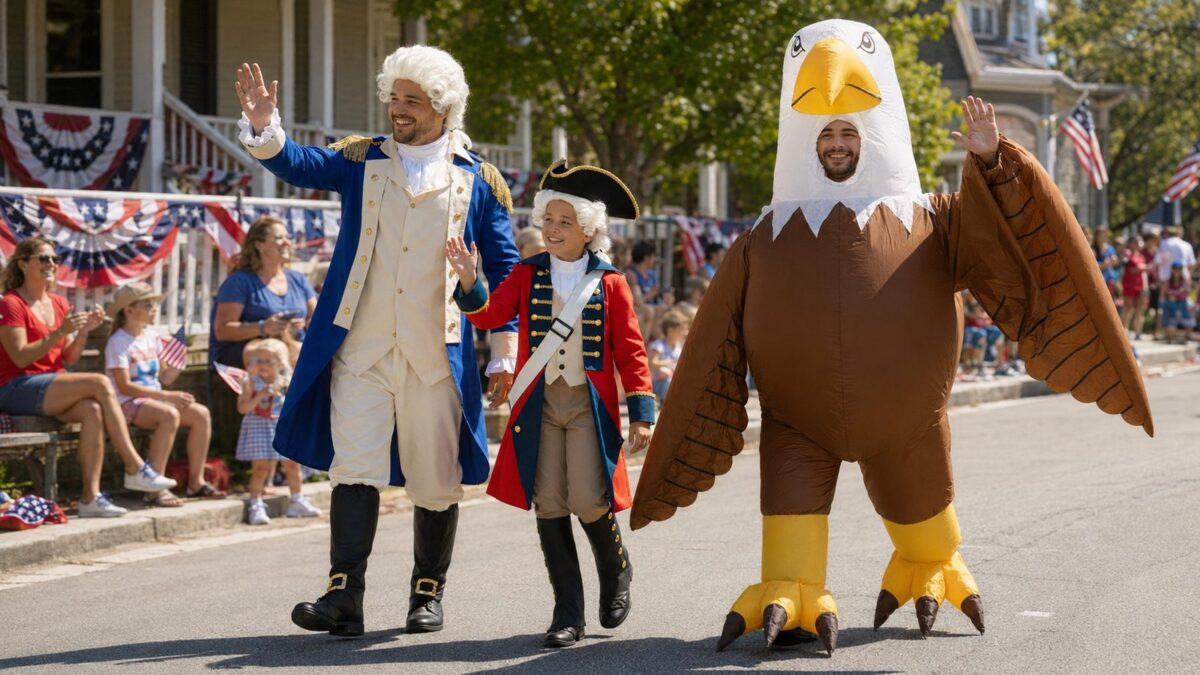
Every Revolutionary War costume starts with one decision: which side of 1776 you stand on. The Continental general look is a jacket with an attached waistcoat, matching trousers, a white wig and a cravat, and ours ships as one complete $67.95 pack, checked across 30+ measurements like every design we make. There has never been a better year to commit: America turns 250 in 2026, and the National Retail Federation counted a record 87% of Americans planning to celebrate the Fourth.
Table of Contents
- Why everyone wants 1776 back in the closet
- What makes an outfit read as 1776
- The Continental side: the general and the young general
- The Crown's side: the redcoat
- The civilian looks: statesman, storyteller, and the build-your-own
- The wildcard: the bird itself
- Fit, care and the school-play test
- Frequently asked questions
Why everyone wants 1776 back in the closet
This is the semiquincentennial year: the United States turned 250 on July 4, 2026, and the congressionally established America250 commission is running commemorations, festivals and community events through the rest of the year, not just one weekend. The National Retail Federation's 2026 Independence Day survey (7,675 consumers, fielded the first week of June) put participation at a record 87%, with food spending alone hitting $9.4 billion. Colonial costume demand does not stop at the fireworks either: school history units, fall plays and Halloween all sit downstream of a milestone year.
So the question is not whether a Revolutionary War costume gets worn in 2026. It is which role you claim before your friend claims it first. We stock the era on our historical costumes shelf, and this guide walks the whole cast: two generals, a redcoat, a statesman, a storyteller, and one bald eagle with a six-foot attitude.
What makes an outfit read as 1776
The 1770s had a real dress code, and hitting it is what separates "Revolutionary War" from "vaguely old-timey". The Fashion Institute of Technology's fashion history timeline describes the standard man's suit of the decade as three pieces, a coat, a waistcoat and knee breeches, with the silhouette slimming as the decade went on: coat skirts cut away at the front, sleeves tight to the arm. Women's daywear ran to a fitted bodice gown or a jacket-and-petticoat combination. Add the tricorn-style hat and buckled shoes and you have the shorthand every party guest recognizes on sight.
You do not need juried-reenactment tailoring to land it. You need the right pieces in the right places, which is exactly what a complete pack is for. Here is the cast at a glance:
| The role | The side | In the pack | Price |
|---|---|---|---|
| The general | Continental | Jacket with attached waistcoat, trousers, white wig, cravat, bootcovers | $67.95 |
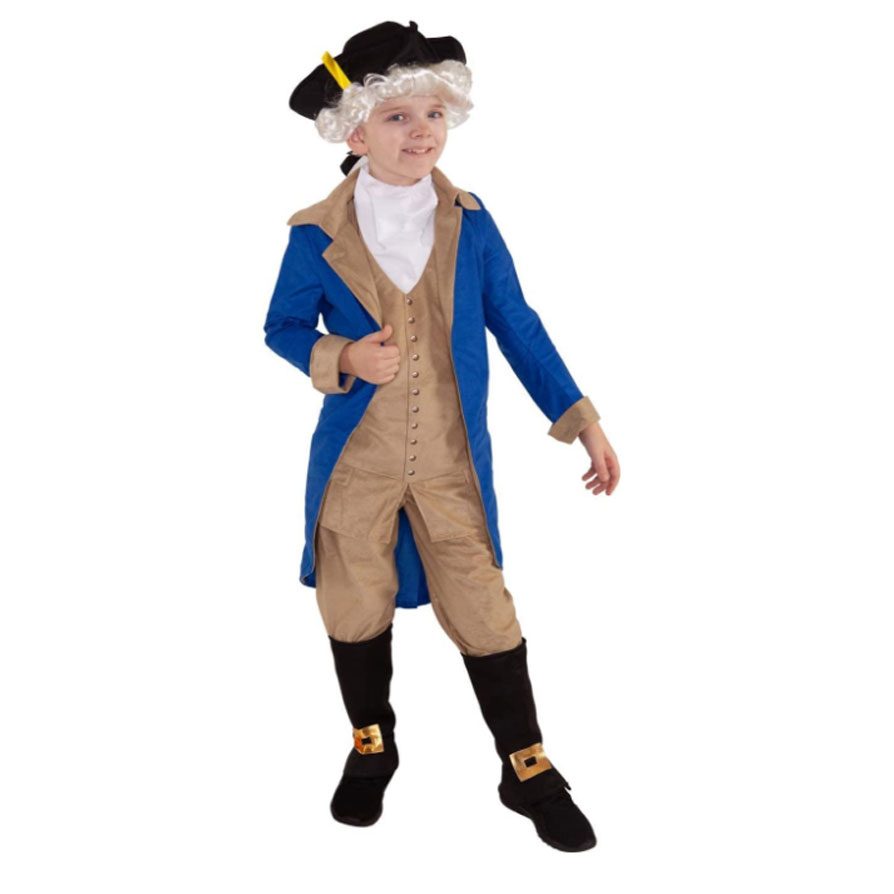
| The young general | Continental | Jacket, vest, trousers, shoe covers, hat and wig | $42.95 |
| The redcoat (kids) | The Crown | Hat, jacket, neckerchief, shirt insert, sash, boot covers | $35.95 |
| The statesman (kids) | Civilian | Jacket, bib, pants, shoe buckles | $30.95 |
| The storyteller (kids) | Civilian | Dress, detachable collar, detachable bow, headscarf | $25.95 |
| The colonial shirt (unisex) | Any | Ruffled white shirt | $20.95 |
| The eagle (adults) | America, obviously | Giant inflatable costume (4 x AA batteries not included) | $45.95 |
And if your history theme drifts royal rather than rebel, our king costume guide covers the crown-and-robe end of the shelf.
The Continental side: the general and the young general
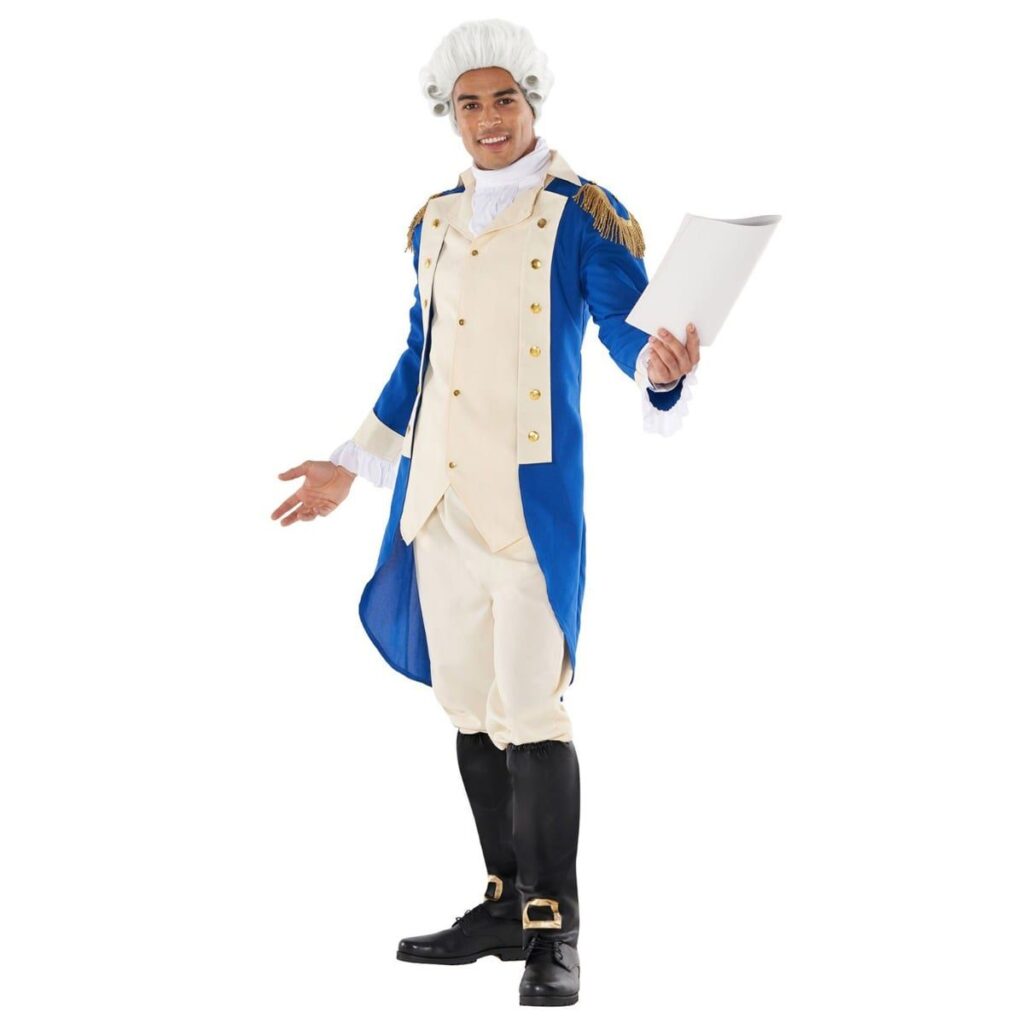
The commander-in-chief look is the one everybody photographs. Our men's founding general costume ($67.95) packs the full silhouette into one order: a jacket with the waistcoat already attached (one less thing to assemble at 6pm), matching trousers, a white wig, a cravat and bootcovers. That is the three-piece suit the FIT timeline describes, pre-built, with the wig included rather than sold as a surprise extra.
For the young general, the boys colonial general costume ($42.95) is the deepest kids pack on this page: jacket, vest, trousers, shoe covers, plus both the hat and the wig. Most kids costumes make you choose between headwear and hair; this one just includes both. It is built for school plays, history fairs and the family Fourth of July photo where one child outranks everyone present.
The Crown's side: the redcoat
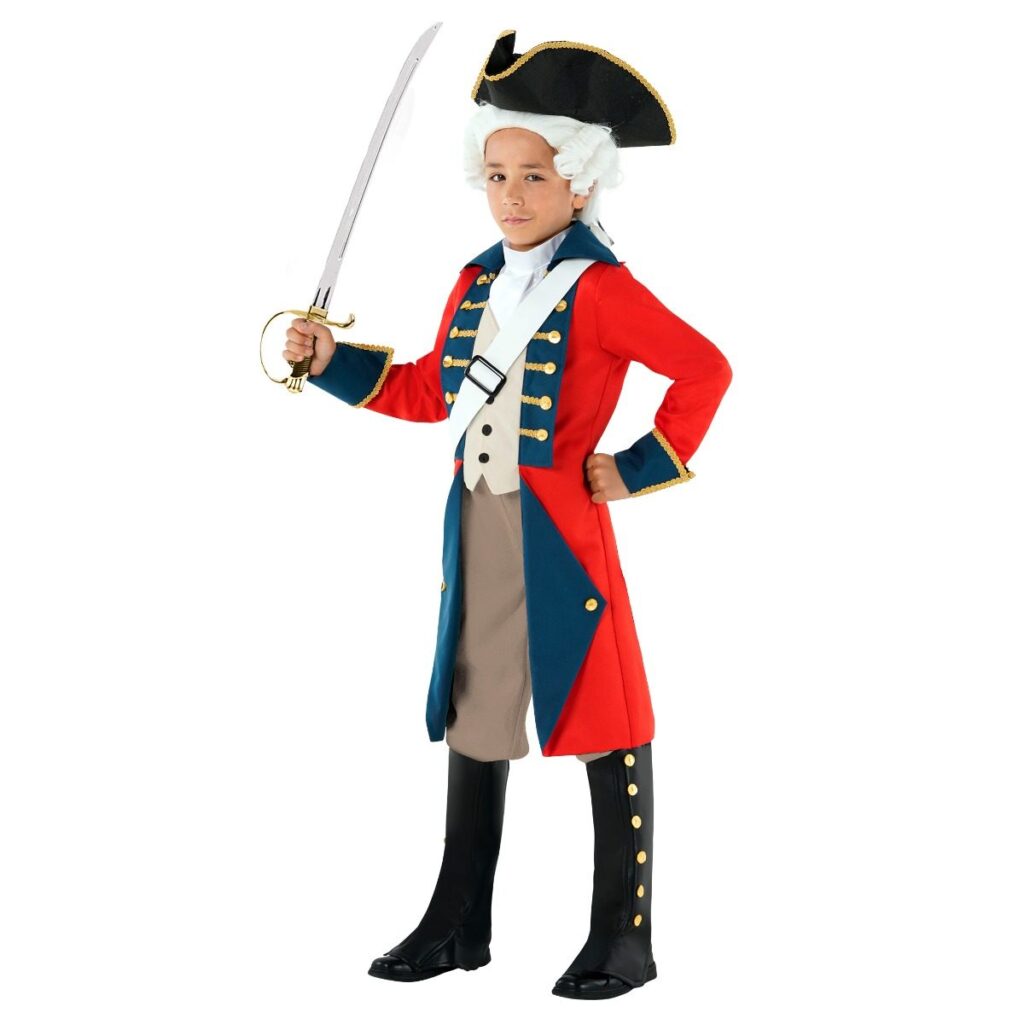
Somebody has to play the other team, and the kid who does usually steals the show. The kids redcoat soldier costume ($35.95) runs six pieces deep: hat, long jacket, neckerchief, shirt insert, sash and boot covers, so the whole uniform arrives in one box instead of six searches. Put a Continental general and a redcoat in the same living room and the family photo becomes a two-act play.
We will be straight with you about the adult version: the men's redcoat jacket we stock is cut for a war a century later, and we are not going to stand here and call it 1776. Adults who want in on the era are better served on the Continental side, in the civilian looks below, or inside the eagle.
The civilian looks: statesman, storyteller, and the build-your-own

Not every 1776 role carries a musket. The kids founding father costume ($30.95) does the colonial statesman instead: a jacket, traditional bib, pants and shoe buckles, the printer-and-inventor look that works for a history presentation as well as a party. It reads scholarly rather than military, which suits the kid whose favorite part of the unit was the printing press, not the battles.
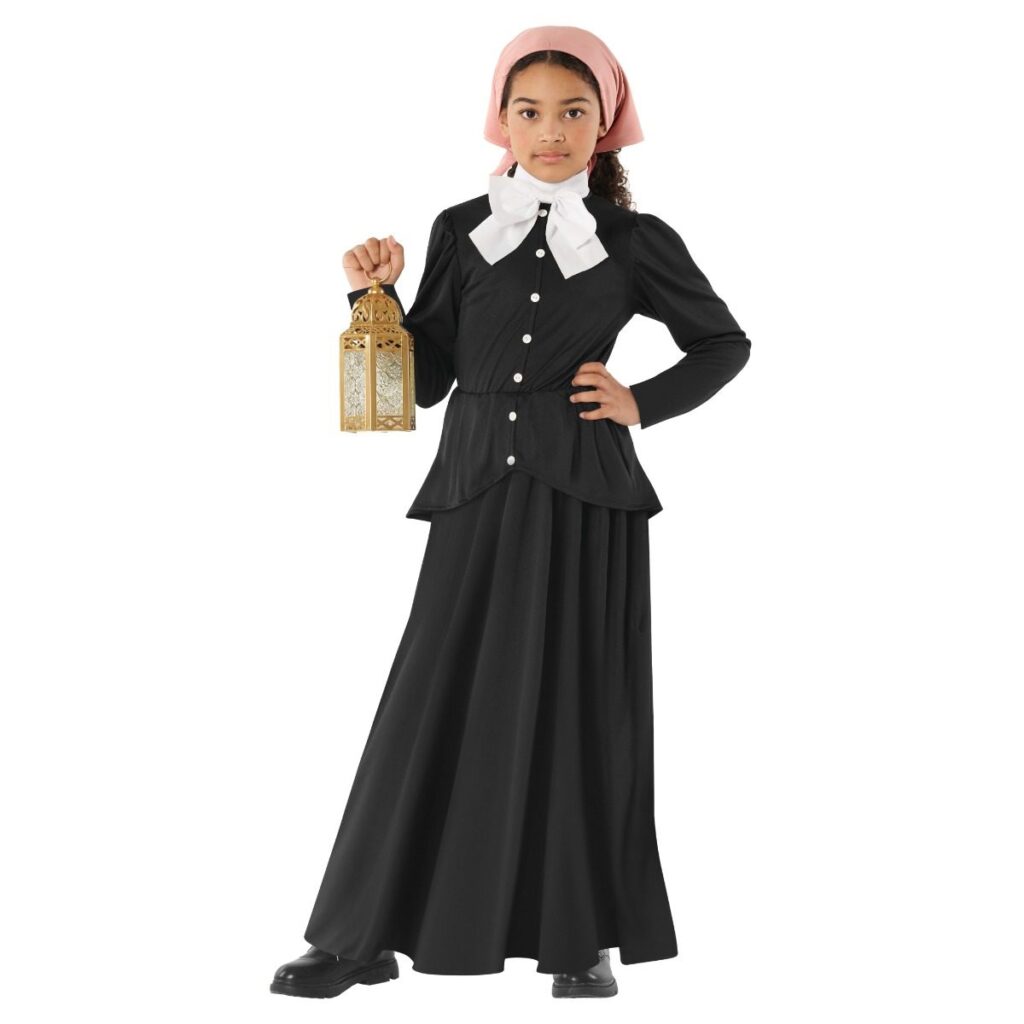
For girls, the kids colonial dress costume ($25.95) covers the storyteller: a dress with a peplum waist, a detachable collar and bow, and a headscarf. Its styling leans early-1800s working dress, and we will say so rather than pretend otherwise; for a school colonial unit or a period play it lands exactly right, and the detachable pieces mean one dress serves several roles across the year.
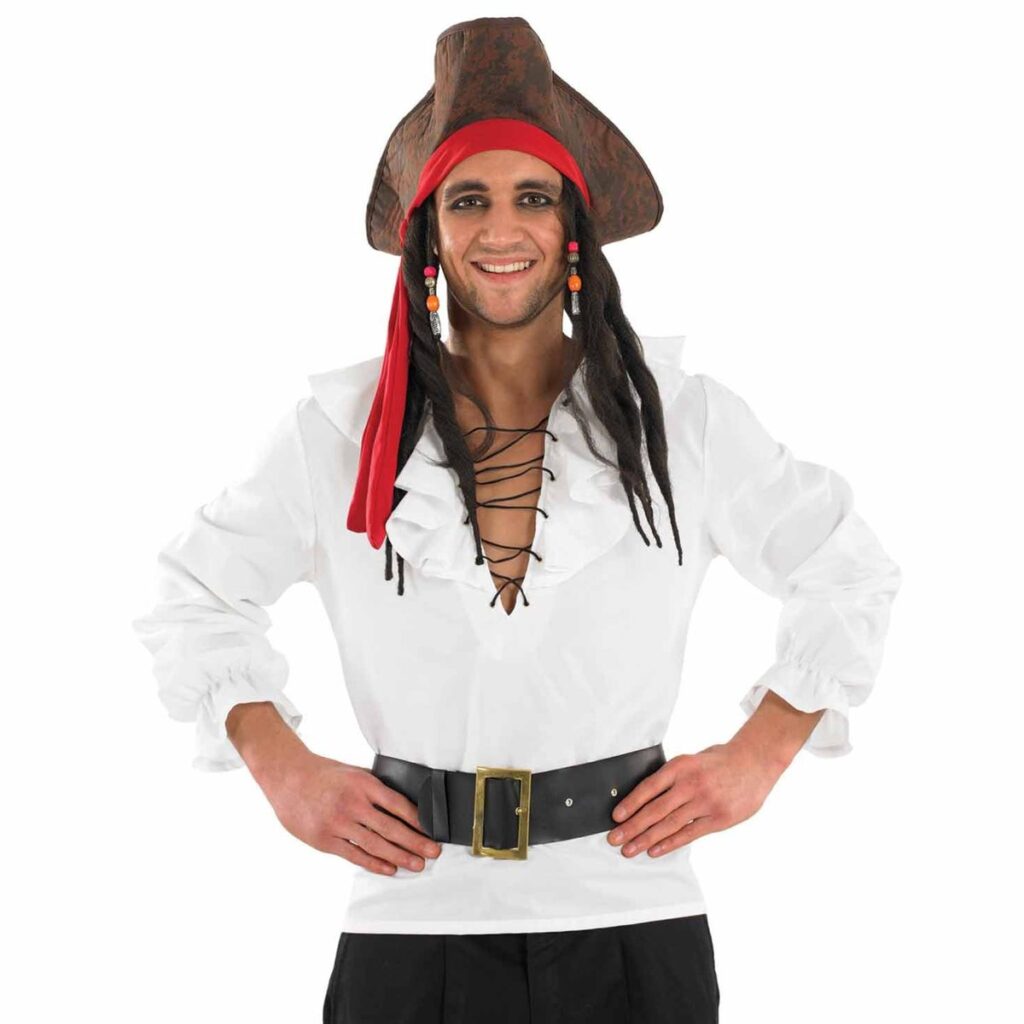
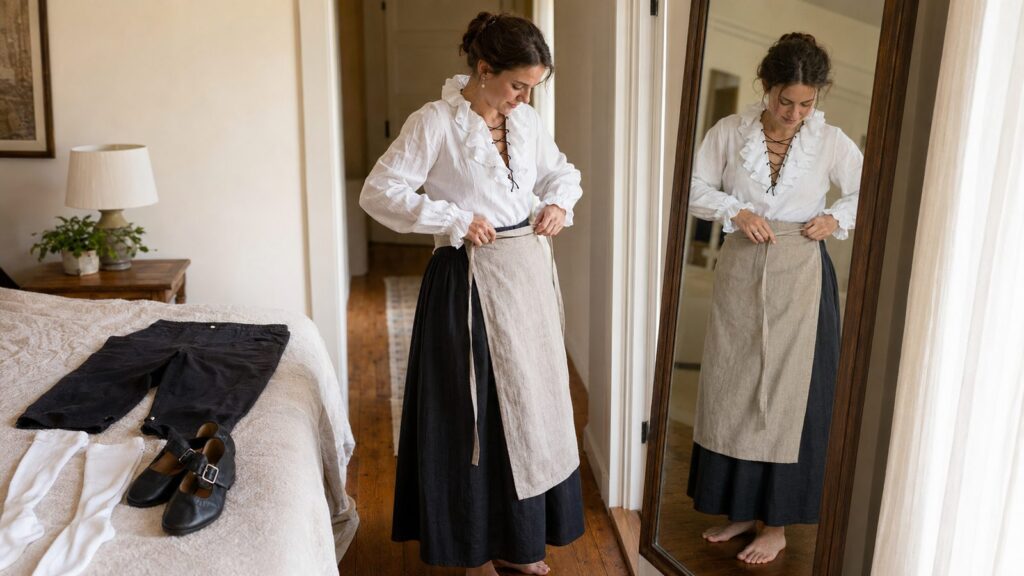
Adults building a civilian look from scratch should start where costumers actually start: the shirt. Our unisex white ruffled shirt ($20.95) carries the ruffled collar and cuffs the period demands; add dark knee-length pants and long socks from your own closet and you have a working colonial base for either the tavern keeper or the pamphleteer.
We do not currently stock a women's colonial gown, so for women this honest build, the shirt with a long skirt and an apron, beats any wrong-era dress we could try to sell you. Thanksgiving planners take note: the same logic powers our pilgrim costume guide, one holiday over.
The wildcard: the bird itself
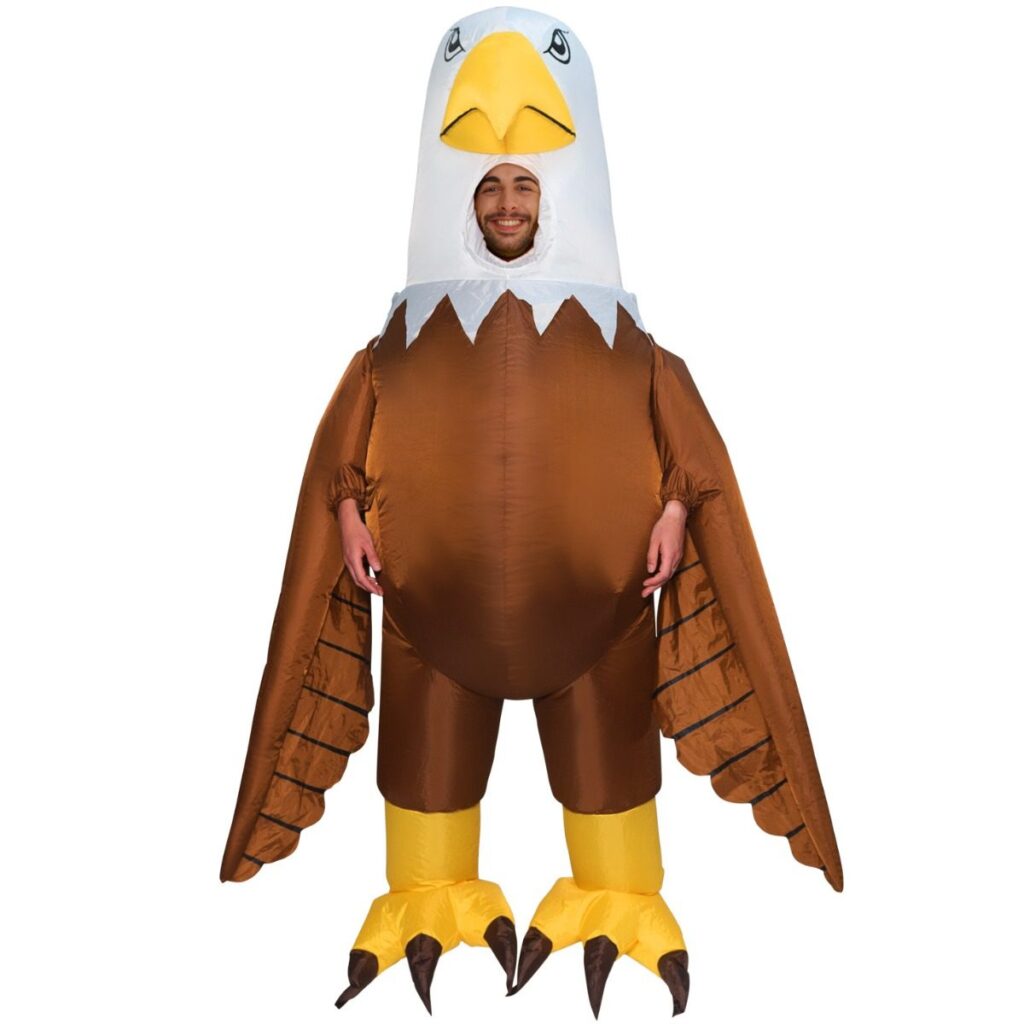
Every group needs one member who skips the history and goes straight to the symbolism. The giant inflatable eagle costume ($45.95) is a full-body bald eagle with a wingspan that commands any block party, cookout or tailgate. One size fits most, and the fan runs on 4 AA batteries (not included, so grab them with the order; nothing deflates a grand entrance like a dead fan). It is the pick for the friend who refuses period dress but would absolutely fight a drone for the flag.
Fit, care and the school-play test
Colonial looks are detail work: the wig, the buckles, the sash. Detail work is exactly where the no-brand factory costume falls apart, with see-through fabric, a hat that never made it into the box, and sizing that fits no actual child. We built MorphCostumes to close that gap: every design is checked across 30+ measurements, cut from 125GSM+ breathable fabric, and backed by 500,000+ quality checks a year, and every product page lists the pack contents so the wig in the photo is the wig in the box.
Two practical notes for the school-play calendar. First, sizing: check the size chart on each product page and size up if your child sits between two sizes; a jacket they can move in survives rehearsal season. Second, care: these are cold hand wash and air dry costumes, never machine wash, and an inflatable just gets a sponge-wipe with the fan removed. Treated that way, the costume that plays the general in October is still parade-ready next July. That is the Morph Promise working as intended: no costume fails, designs that flatter, party-long comfort, no unwanted surprises. The full era, kids sizes included, lives on our kids historical costumes shelf.
Frequently asked questions
What did soldiers wear during the Revolutionary War?
The standard 1770s military silhouette was a long coat over a waistcoat and knee breeches, with a tricorn-style hat and buckled shoes; Continental forces wore blue coats and British regulars wore red. The Fashion Institute of Technology's fashion history timeline documents the three-piece coat, waistcoat and breeches as the decade's standard male dress. Our soldier packs rebuild that silhouette as complete outfits from $35.95.
What is the difference between a Continental Army costume and a redcoat costume?
The coat color carries the whole distinction: Continental blue against British red. Our Continental general pack includes a jacket with attached waistcoat, trousers, white wig, cravat and bootcovers ($67.95), while the kids redcoat pack includes a hat, jacket, neckerchief, shirt insert, sash and boot covers ($35.95). Same decade, opposite sides, and a ready-made two-person group look.
Can you wear a Revolutionary War costume for the Fourth of July?
Yes, and 2026 is the year for it: America's 250th anniversary celebrations run through the whole year under the America250 commission, and the NRF measured a record 87% of Americans celebrating the Fourth in 2026. A colonial general at a cookout reads festive, not overdressed, and the giant inflatable eagle covers anyone who wants patriotic without period.
Is a Revolutionary War costume good enough for a reenactment?
For juried living-history events, no; serious reenactors sew period-accurate kit to unit standards, and a party costume is not that. For history fairs, school plays, museum family days and spectating at reenactment weekends, a complete costume pack is exactly the right tool: the recognizable silhouette, checked across 30+ measurements, at a fraction of the cost of custom kit.
