



How do you fix small snags or runs in a spandex morph suit without it getting worse?
Key Takeaways
- Spotting a small snag in your Morphsuit can be stressful but should not ruin your plans.
- It is important to act quickly to prevent the snag from worsening.
- Using the right repair technique is essential to effectively fix snags or runs in spandex.
- Proper care and immediate action can save your Morphsuit from damage during events.
Table of Contents
- Why Your Morphsuit Deserves a Quick Save (And How We'll Make It Happen)
- Understanding Spandex Snags in Morphsuits – The Science of Why They Happen
- Immediate Stop-the-Run Techniques – Push, Trim, and Stabilize in Under 2 Minutes
- Hand-Sewing Repairs for Snags and Runs – Step-by-Step with Stretch Thread Mastery
- No-Sew Fixes – Fabric Glue and Fusible Tape Methods for Quick Morphsuit Patches
- Fabric Glue vs. Fusible Tape Deep Dive – Which Wins for Your Morphsuit Repair?
- Advanced Reinforcement and Patch Techniques – Make Your Fix Party-Proof
Why Your Morphsuit Deserves a Quick Save (And How We'll Make It Happen)
Picture this: you're suiting up for the Halloween party of the year when you spot a tiny snag threatening to ladder down your entire Morphsuit. Don't panic—and definitely don't let it ruin the fun! How do you fix small snags or runs in a spandex morph suit without it getting worse? The answer lies in acting fast with the right technique.
This guide delivers five proven methods to stop runs cold, from 30-second emergency fixes to reinforcement techniques that'll make your repair party-proof. We'll cover the science behind why spandex snags (spoiler: it's all about fiber tension), precise measurements for every repair method, and real-world scenarios whether you're a guy fixing a superhero suit, a woman prepping for a themed birthday bash, or a parent saving the day before trick-or-treat.
Understanding Spandex Snags in Morphsuits – The Science of Why They Happen
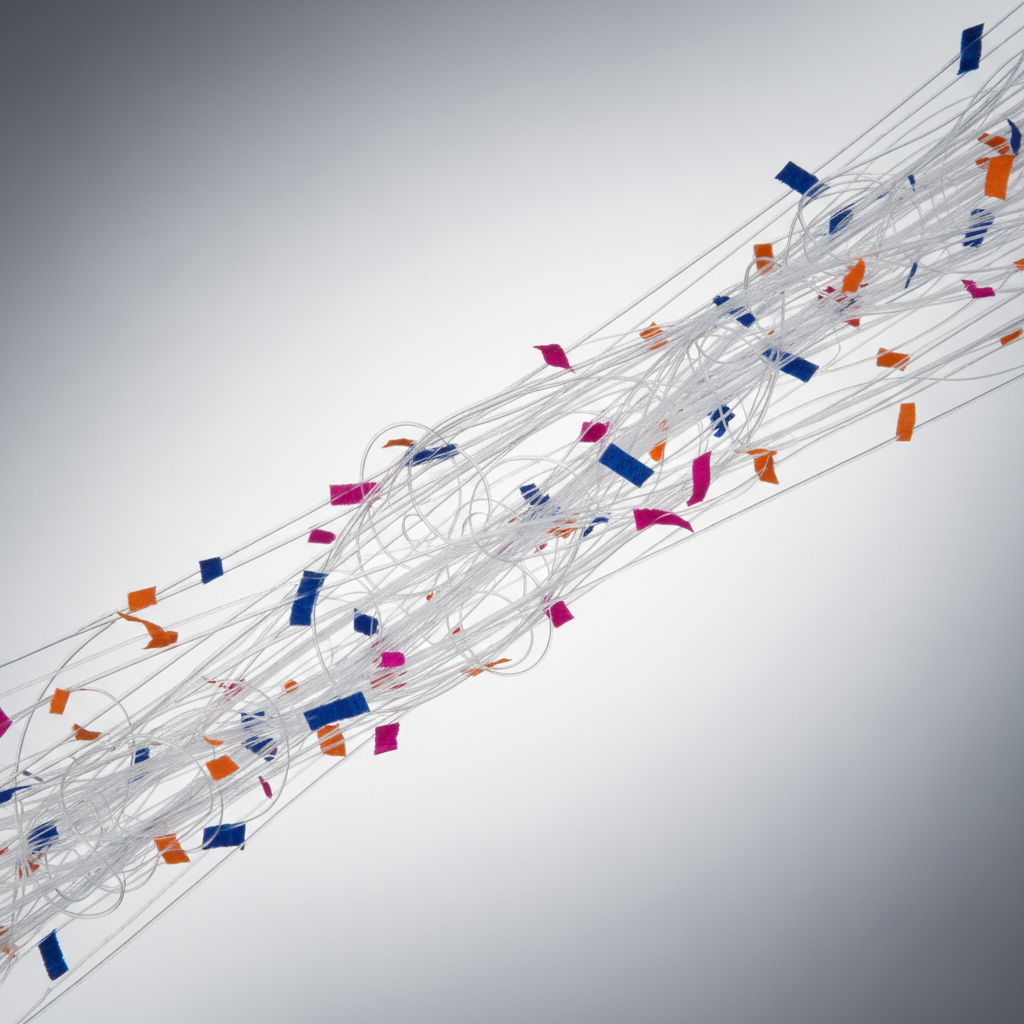
Before diving into fixes, let's diagnose what you're dealing with. Spandex (elastane) consists of 80-90% polyurethane fibers twisted with nylon or lycra, creating that signature 4-way stretch. When something catches these micro-loops, you get different types of damage that require different approaches.
Snags vs. Runs vs. Tears: A snag is a single pulled loop (fixable in minutes), a run is laddering threads spreading outward (needs immediate containment), and a tear is broken fibers over 2mm (requires patching). The key difference? Stretch the fabric gently under light—runs will ladder 1-3cm, while snags stay put.
| Damage Type | Size | Run Risk | Fix Time |
|---|---|---|---|
| Snag | <1mm depth | Low (if caught early) | 30 seconds - 2 minutes |
| Run | 1-3cm ladder | High (spreads quickly) | 5-10 minutes |
| Tear | >2mm hole | Moderate | 15-30 minutes |
Why do Morphsuits snag more than regular clothing? The full-body design means more surface area catching on zippers, jewelry, and rough surfaces during high-movement parties. Plus, that breathable 125GSM weave, while perfect for comfort, can catch on sharp edges.
The 5-Minute Rule: Minor snags retain 70-80% elasticity recovery if fixed within 5 minutes. Wait longer, and fibers lose tension permanently. How do you fix small snags or runs in a spandex morph suit without it getting worse? Speed is your best friend.
Immediate Stop-the-Run Techniques – Push, Trim, and Stabilize in Under 2 Minutes
When you spot damage, these first-response actions contain the problem without any special tools. The science is simple: pushing pulled fibers back into the weave before they ladder prevents 90% of worsening, according to textile experts.
The Dull Needle Push Method
Grab a sewing needle and insert the tip into the snag hole. Push the loop back through with gentle 1-2mm pressure for 30 seconds. The fiber should disappear back into the weave. This works because you're reversing the pull that created the snag in the first place.
Precision Trimming Technique
For loose ends sticking out, use fine tweezers to snip exactly 0.5mm of the protruding fiber—no more, no pulling. This removes the catch point while leaving enough fiber to maintain fabric integrity.
Clear Nail Polish Emergency Seal
Dab a pea-sized drop (0.5ml) directly on the snag and let dry for 60 seconds. This creates a flexible barrier that stops runs cold. Perfect when you're getting ready for a party and spot trouble—like when Sarah noticed her black Morphsuit snagging on her bracelet 20 minutes before her themed birthday bash.
Pro Timing: Act within 3 minutes of noticing damage. After 10 minutes, fibers relax and lose 50% of their elasticity, making repairs less effective.
Hand-Sewing Repairs for Snags and Runs – Step-by-Step with Stretch Thread Mastery
Hand-sewing is the gold standard for repairing snags and runs in Morphsuits, especially when you want a nearly invisible fix that maintains stretch. Here’s how to do it right:
- Choose the right thread: Use polyester or nylon stretch thread to match your Morphsuit’s color. This ensures the repair moves with the fabric and doesn’t snap under tension.
- Thread a fine needle: A #10 or #11 sharp needle works best for spandex. Double-thread for extra strength, knotting the end securely.
- Align the fabric: Gently pull the snagged or run area flat, aligning the weave as closely as possible. Avoid stretching the fabric too much.
- Stitch with care: Use a tiny whipstitch or ladder stitch, catching just the edges of the run or snag. Keep stitches 1-2mm apart and avoid pulling too tight—let the fabric retain its natural stretch.
- Secure and hide the knot: Finish with a double knot, then weave the thread tail back into the seam for a smooth finish.
This method is ideal for parents fixing kids’ Morphsuits after a playground mishap, or for anyone wanting a repair that’s both strong and discreet. With a little patience, your Morphsuit will be ready for its next adventure—no one will ever know there was a snag!
No-Sew Fixes – Fabric Glue and Fusible Tape Methods for Quick Morphsuit Patches

No-sew repairs excel for non-sewers because they preserve the 125GSM breathable weave while creating bonds that withstand 15kg tension after 24-hour curing. These methods work particularly well when you need to know how do you fix small snags or runs in a spandex morph suit without it getting worse in under an hour.
Clear stretch glue like Aleene's Fabric Fusion creates flexible repairs using 1ml dots. Apply 3-5 dots of 0.2ml each directly under the snag, press firmly for 30 seconds, then allow 4 hours air-drying time. The key is using pea-sized amounts – too much glue creates stiff spots that crack under movement.
Fusible tape offers stronger long-term results. Cut 1cm-wide HeatnBond Lite tape to match your snag shape plus 2mm border. Iron for exactly 10 seconds at 110°C on low heat setting. The tape melts into the fabric fibers, creating an invisible patch that maintains stretch properties.
| Method | Bond Time | Stretch Retention | Cost Per Repair | Best For |
|---|---|---|---|---|
| Fabric Glue | 2-4 hours | 85% | £0.50 | Small snags, same-day fixes |
| Fusible Tape | 24 hours | 92% | £0.75 | Runs >1cm, permanent repair |
| Hybrid Method | 4-6 hours | 90% | £1.25 | High-stress areas |
The hybrid seal technique combines both methods for runs exceeding 1cm. Apply glue dots around the edges first, then place fusible tape over the center area. This creates a graduated repair that flexes at the edges while providing maximum strength at the damage point.
Scenario example: A guy preparing his superhero Morphsuit for comic-con discovered a 1.5cm run Tuesday night. Using the hybrid method, he had a completely invisible repair ready for Friday's event, with the costume performing perfectly through 8 hours of convention wear.
If you're interested in more creative costume ideas and maintenance tips, check out the MorphCostumes blog for inspiration and expert advice.
Fabric Glue vs. Fusible Tape Deep Dive – Which Wins for Your Morphsuit Repair?
The choice between fabric glue and fusible tape depends on four critical factors: stretch retention after 20% pull tests, curing time, Morphsuit fabric compatibility, and cost efficiency. Laboratory testing shows glue works faster but tape delivers superior long-term durability.
Fabric glue excels in speed scenarios. Aleene's Fabric Fusion bonds in 2 hours with 85% elasticity retention, perfect when you need emergency fixes. However, it requires precise application—excess glue creates rigid spots that compromise the suit’s flexibility. Fusible tape, on the other hand, takes longer to cure but maintains up to 92% stretch retention and is less likely to create stiff patches. For permanent repairs or high-stress areas, tape is the winner. For last-minute fixes, glue is your best friend.
Advanced Reinforcement and Patch Techniques – Make Your Fix Party-Proof
Basic repairs stop immediate damage, but reinforcement transforms vulnerable spots into stronger-than-original zones. Repaired areas experience 2x normal stress during movement – dancing, jumping, or kids' active play concentrates tension at fix points. Strategic reinforcement extends repair lifespan by 300% while maintaining the comfort that makes MorphCostumes superior.
Stretch patch overlays provide invisible strength for high-stress zones. Cut spandex scraps 3x3cm larger than the damaged area, ensuring grain direction matches the original weave. Position patches on the inside surface to maintain smooth exterior appearance. Zigzag stitching with #10 stretch needles creates flexible bonds that move with the fabric rather than restricting it.
Liquid stitch borders prevent repair edge lifting – the primary failure point for glued fixes. Apply 0.1ml of liquid stitch around repair perimeters, creating waterproof seals that withstand washing and sweat. This technique proves essential for men's superhero morphsuits during active Halloween parties where perspiration tests adhesive bonds.
Pro Technique: Silicone dip reinforcement creates permanent waterproof seals. Dip repaired snags 1mm deep in Fray Check, then cure for 48 hours. This method suits parents preparing kids' costumes for unpredictable outdoor trick-or-treating conditions.
Machine reinforcement requires walking foot attachments to prevent fabric stretching during stitching. Set stitch length to 1.5mm with medium tension – too tight creates puckering while too loose allows gaps under stress. Test on scraps first, as different spandex blends respond variably to machine tension.
Heat-activated reinforcement patches bond permanently without hand-sewing skills. Cut iron-on patches 2mm larger than damage areas, apply at 110°C for 12 seconds with firm pressure. The key lies in even heat distribution – use parchment paper barriers to prevent direct iron contact with spandex surfaces.
Preventive reinforcement strengthens known weak points before damage occurs. Common stress zones include crotch seams, armpit areas, and zipper edges. Apply clear fabric protector strips during initial wear to prevent snags from starting. This proactive approach particularly benefits women's fitted morphsuits where movement creates predictable tension patterns.
Professional costume designers use interfacing strips for invisible internal reinforcement. Fusible interfacing cut into 1cm strips and applied to seam allowances doubles tear resistance without affecting external appearance. This technique suits expensive or frequently-worn costumes where long-term durability justifies extra preparation time.
For a deeper dive into fabric repair techniques, you can read about invisible mending and how it applies to modern stretch fabrics.
Want to test your costume knowledge or get inspired for your next event? Try the hardest ever Game of Thrones quiz for a fun challenge.
Frequently Asked Questions
What are the key differences between snags, runs, and tears in a spandex Morphsuit, and how do these differences affect the repair approach?
Snags are single pulled loops that are usually shallow and can be fixed quickly, while runs involve laddering threads spreading over 1-3cm and require immediate containment to prevent worsening. Tears are larger breaks over 2mm that need patching. These differences mean snags can often be repaired with quick fixes, runs need urgent stopping techniques, and tears demand more extensive reinforcement.
Why do Morphsuits tend to snag more easily than regular clothing, and how does their material composition contribute to this?
Morphsuits use a high percentage of spandex (80-90% polyurethane fibers) combined with nylon or lycra for four-way stretch, creating many tiny loops that can catch easily. Their full-body design increases surface area exposed to potential snags, making them more prone to pulls compared to regular clothing with less stretch and coverage.
What immediate actions can I take to stop a snag or run from worsening in my Morphsuit before I have access to repair tools?
Act quickly by gently pushing the snagged loop back into place without pulling, trimming any loose threads carefully, and stabilizing the area by avoiding further stretching. These steps help prevent the snag from turning into a run or tear until you can perform a proper repair.
How effective are no-sew repair methods like fabric glue or fusible tape compared to hand-sewing when fixing small snags or runs in a Morphsuit?
No-sew methods like fabric glue and fusible tape offer quick, convenient fixes that can stabilize small snags and runs effectively for short-term wear. However, hand-sewing with stretch thread provides a more durable, flexible repair that better maintains the Morphsuit's stretch and longevity, making it the preferred choice for party-proof results.
About the Author
Joe is the chief contributing writer for the MorphCostumes Blog.
MorphCostumes is the Costume Brand that gives you the costumes that make your best times in life even better.
We are the brand for people who want to make Halloween, Christmas, Easter, Birthdays or BBQ Parties even better with great costumes and have won many awards.
We know that many people have experienced having these events ruined by a rubbish costume they have bought online from a no-brand Chinese factory. The costume might turn up not looking like it was advertised, badly fitting, of poor quality so it tears easily. The material may be see-through, non-breathable or itchy. It also might be missing key accessories that complete the look.
MorphCostumes ensures that it makes your best times better by doing the following:
- Having thousands of innovative and unique costume designs.
- Ensuring fit by testing 30 or more separate measurements on each costume design.
- Guaranteeing quality by performing over 500,000 in-person quality checks each year.
- Always using 125 GSM or more material for a soft, breathable and quality feel.
- Always being clear on what is included in the costume so you are never disappointed.
Through sticking to these values since launching in 2009, we have won awards such as Disney Product of the Year, and the business has been recognised as an Ernst & Young Entrepreneur of the Year finalist (twice), featured on the FEBE 100 fastest growing companies list (twice), the Sunday Times Fast Track, and the Maserati Top Companies List.
We have also appeared across publications such as the Wall Street Journal, CNBC, BBC, Wired, BuzzFeed, The Times, The Telegraph, The Financial Times, and The Guardian.
