



lamb halloween costume
Key Takeaways
- A lamb Halloween costume combines adorable charm with practical wearability for young children.
- Lamb costumes have a timeless appeal that remains suitable beyond Halloween.
- These costumes are versatile and can be worn for occasions like Christmas Nativity plays and Easter celebrations.
- Unlike trendy character costumes, lamb costumes do not quickly become outdated.
Table of Contents
- Why Lamb Costumes Are the Perfect Choice for Your Little Ones
- Understanding Lamb Costume Styles: From Fluffy to Streamlined
- The Complete DIY Baby Lamb Costume: Building From the Ground Up
- Store-Bought Options: When Ready-Made Makes Sense
- Managing Comfort: The Critical Factor Most Parents Overlook
- Dressing Your Child: The Practical Step-by-Step Process
- Lamb vs. Sheep vs. Black Sheep: Understanding the Subtle Differences
- Troubleshooting Common Lamb Costume Challenges
- Accessorizing Your Lamb Costume: Elevating the Overall Look
- Age-Appropriate Costume Selection: From Newborns to Teenagers
- DIY vs. Store-Bought: Making the Right Choice for Your Family
- Storage and Reusability: Making Your Investment Last
- Making Your Final Decision: Key Factors to Weigh
- Professional vs. Homemade: The Quality Difference That Matters
- Future Considerations: Evolving Lamb Costume Trends
Why Lamb Costumes Are the Perfect Choice for Your Little Ones
A lamb halloween costume delivers the perfect combination of adorable charm and practical wearability that makes Halloween magical for young children. Unlike trendy character costumes that feel outdated within months, lamb costumes offer timeless appeal that works beautifully across multiple occasions—from Halloween trick-or-treating to Christmas Nativity plays and Easter celebrations.
Choose soft, breathable fabrics and secure accessories to ensure comfort and safety while maintaining the lamb costume’s adorable, timeless look.
The universal appeal stems from their instant recognizability and photogenic qualities. Parents consistently choose lamb costumes because they're comfortable enough for active toddlers, simple enough to put on wiggly babies, and cute enough to generate endless compliments from neighbors and family members. The soft, fluffy texture naturally appeals to children who enjoy tactile experiences, while the gentle farm animal theme feels safe and familiar.
Not all lamb costumes deliver the same experience, and understanding the key style differences helps you select the right option for your child's specific needs and activity level. For a ready-to-wear solution, consider the Kids Lamb Onesie Toddler Costume, which combines comfort and adorable design for little ones.
Understanding Lamb Costume Styles: From Fluffy to Streamlined

Classic fluffy designs feature signature white woolly texture created with cotton balls, fleece puffs, or plush fabric. These provide maximum visual impact and work beautifully for photos and stationary events. Streamlined onesie-based costumes use fitted white bodysuits with minimal texture, ideal for active children who need unrestricted movement during trick-or-treating. Component-based options separate the costume into distinct pieces—hat, body covering, tail, and accessories—allowing mix-and-match flexibility that extends the costume's usability beyond a single Halloween.
The Complete DIY Baby Lamb Costume: Building From the Ground Up
Creating a homemade infant lamb halloween costume requires minimal sewing skills and approximately 2-3 hours from start to finish, making it an achievable project for most parents seeking customization and budget-friendly options.
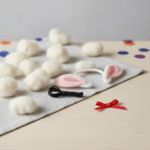
Essential materials include a white onesie as your base layer, 100-150 cotton balls, hot glue gun with sticks, white fleece fabric (12x18 inches), black fleece for ear details, and basic sewing supplies. Start by creating the signature hat: cut two rounded fleece pieces (6x5 inches), add floppy ears with black inner details, then glue cotton balls across the exterior in a checkerboard pattern for even coverage.
For the woolly body, work systematically by applying glue dots every 2-3 inches across the onesie front, then pressing cotton balls firmly onto each dot. Focus density on the torso and upper back where it's most visible, using fewer cotton balls on sides and underarms to maintain flexibility. Allow 30 minutes for complete curing before dressing your child.
Store-Bought Options: When Ready-Made Makes Sense
Quality ready-made little lamb costume options provide superior construction, tested durability, and often better long-term value than DIY alternatives, especially for parents prioritizing convenience and reliability over customization.
MorphCostumes engineers premium lamb costumes specifically for active children, featuring professional-grade materials tested across 30+ measurement points to ensure proper fit across different body types. The 125GSM+ weight fabrics provide superior comfort during extended wear while maintaining the authentic fluffy appearance that makes lamb costumes so appealing. Each costume includes all necessary accessories—ears, tail, and coordinating pieces—eliminating guesswork and last-minute shopping trips.
When selecting store-bought options, verify exact measurements against your child's current size rather than assuming standard age ranges. Quality construction withstands actual trick-or-treating wear rather than falling apart after a single event, making the investment worthwhile for families planning multiple uses. For more ideas, browse the full range of kids animal costumes for inspiration.
Managing Comfort: The Critical Factor Most Parents Overlook

The most beautiful infant little lamb costume becomes problematic if your child refuses to wear it or complains continuously throughout Halloween night. Comfort considerations directly impact your family's enjoyment of the entire experience.
Fabric selection matters significantly for younger children. Fleece and plush materials maintain flexibility better than stiff polyester, while cotton-ball-based costumes require layering over long-sleeved shirts to prevent scratchy contact with bare skin. Temperature management demands advance planning—full-body lamb costumes trap heat, so dress children in moisture-wicking undergarments and consider sleeveless variants for warmer climates.
Mobility and bathroom access require testing before Halloween night. Ensure the costume allows comfortable sitting without bunching and provides reasonable bathroom access without complete outfit removal. For children with sensory sensitivities, avoid costumes with dangling pieces, itchy seams, or tight-fitting headpieces that could trigger discomfort.
Dressing Your Child: The Practical Step-by-Step Process
Successful costume application requires strategic timing and patience, especially with active toddlers who resist staying still during the dressing process.
Start with the foundation layer 20 minutes before departure: standard underclothes, then the white base layer (onesie or shirt), followed by black pants or leggings. Apply the main costume once your child is settled—position full-body suits on the floor for easy step-in access, or add component pieces systematically starting with the body covering. Secure loose elements with hidden safety pins and add headpieces last to minimize wearing time.
Prepare for mid-event maintenance by carrying backup cotton balls, mini hot glue gun, safety pins, and damp cloth for quick fixes. Store these supplies in your trick-or-treating bag for easy access when costume adjustments become necessary.
Lamb vs. Sheep vs. Black Sheep: Understanding the Subtle Differences
These terms create different visual expectations, and understanding the distinctions helps you select the right costume for your child. A "lamb" costume typically features a smaller, cuter, and fluffier look—think soft white fleece, floppy ears, and a gentle face. A "sheep" costume may be larger, with a more mature or realistic wool texture, and sometimes includes horns or a fuller body. "Black sheep" costumes use the same basic design but swap out the white for black or dark grey, offering a playful twist for kids who want to stand out or for families creating a themed group look. Choosing between these options depends on your child's age, personality, and the story you want to tell with your costume ensemble.
Troubleshooting Common Lamb Costume Challenges

Even carefully planned costumes encounter inevitable issues, and knowing solutions in advance prevents Halloween night frustration. Cotton balls falling off results from insufficient glue application or attempting to accelerate drying time. Prevent this by applying adequate hot glue (approximately a dime-sized dot per cotton ball), allowing 48 hours for full curing when possible, and storing the costume flat rather than hanging it.
Restricted arm movement happens when cotton balls are applied too densely on sleeves and underarms. Fix this by intentionally spacing cotton balls further apart in these high-mobility areas and testing arm range before declaring the costume complete. If already constructed incorrectly, carefully remove cotton balls from problem areas and reapply with better spacing to restore full movement.
Head slipping or uncomfortable fit stems from oversized headpieces that weren't properly measured. Add an elastic chin strap glued to the inside of the hat, or sew a thin elastic band inside the hat band that sits comfortably against the head. Overheating occurs with excessive layering—choose breathable fleece materials and limit underlying layers in warm weather while ensuring ventilation around neck and arm areas.
Accessorizing Your Lamb Costume: Elevating the Overall Look
Thoughtful accessories transform a basic infant lamb halloween costume into a complete, photogenic ensemble that stands out during trick-or-treating and costume contests. Footwear options include simple white socks with black shoes, black Mary Jane shoes for a vintage aesthetic, or white fuzzy slippers for children who will remain mostly stationary. Avoid oversized accessories that might cause tripping during neighborhood walks.
Facial features can be enhanced with face paint—apply black dots for nostrils and a small mouth line using face-paint-safe materials after testing on a small skin area first. Alternatively, use adhesive felt pieces to create permanent facial features on the hat that don't require reapplication throughout the evening. Props like a shepherd's crook (wooden dowel wrapped in brown fabric) or a small bell hung from a yarn neck collar work best for stationary photo opportunities rather than active trick-or-treating.
Coordinated family costumes create memorable photo opportunities and storytelling potential. Consider one parent as a farmer or shepherd, multiple children as white lambs, and one as a black sheep—collectively telling a complete farm story that's both visually appealing and narratively engaging for Halloween festivities. For more creative inspiration, check out the MorphCostumes blog for costume tips and ideas.
Age-Appropriate Costume Selection: From Newborns to Teenagers
Different ages require different costume approaches and safety considerations for optimal comfort and enjoyment. Newborns to 6 months benefit from simple onesie-based costumes with minimal additional pieces that might cause discomfort during constant position changes. Cotton balls work beautifully since newborns aren't mobile enough to snag loose pieces, and the onesie design should remain simple without interfering with diaper changes.
Children aged 6 months to 2 years can wear component-based costumes with properly secured pieces that won't come loose during their increasing mobility. Ensure ears don't contain small parts that could become choking hazards, and test any accessories for safety compliance. Remove accessories immediately if your child shows signs of discomfort or attempts to pull them off repeatedly.
Ages 2-5 can manage full-body costumes with better understanding of the Halloween experience, making this the ideal age range for elaborate little lamb costume designs. Involve them in light costume preparation to build excitement, but prioritize comfort since they can vocalize discomfort and refuse participation if unhappy. Children 5+ might prefer standing out with black sheep variations or component-based costumes that allow mixing with their own clothing, as they begin caring about peer perception. For more options for older kids, explore the Kids Scary, Cool & Unique Halloween Costumes collection.
DIY vs. Store-Bought: Making the Right Choice for Your Family

The decision between creating a homemade costume or purchasing a ready-made option depends on several practical factors that directly impact your Halloween experience. DIY costumes offer complete customization and typically cost $20-40 in materials, but require 2-3 hours of focused construction time and carry the risk of construction failures during the event. Store-bought options from quality retailers provide professional construction, tested durability, and convenience at $40-80 for premium versions.
| Factor | DIY Approach | MorphCostumes Quality |
|---|---|---|
| Construction Time | 2-3 hours active work | Ready to wear immediately |
| Fit Guarantee | Trial and error sizing | 30+ measurement points tested |
| Material Quality | Varies by supply choices | 125GSM+ breathable fabric standard |
| Durability Testing | Untested until Halloween night | 500,000+ annual quality checks |
| Accessory Completeness | Requires separate sourcing | Complete costume with all pieces |
| Comfort Engineering | Guesswork-based design | Professional comfort optimization |
Photography goals matter significantly in your decision—certain construction styles photograph better than others, particularly under indoor party lighting or outdoor trick-or-treating conditions. Event context requires different considerations: active trick-or-treating demands different durability standards than stationary costume parties or photo sessions.
The reusability potential should factor into your cost analysis. How many years will this little lamb costume infant realistically see use across your family? Quality construction that survives multiple Halloween seasons and potential sibling hand-downs justifies higher initial investment compared to single-use options that may fail during the first wearing. For a broader selection, explore animal costumes & fancy dress for all ages.
Storage and Reusability: Making Your Investment Last
A quality lamb halloween costume should provide multiple years of use with proper storage and maintenance strategies. Post-Halloween care involves gentle hand-washing or spot-cleaning any glue residue, allowing the costume to air dry completely, and storing flat in a plastic storage container rather than hanging (which causes permanent stretching of fleece materials). Keep costumes away from direct sunlight to prevent fading and maintain the bright white appearance that makes lamb costumes so appealing.
Reusability planning should influence your initial costume choice significantly. Component-based costumes provide maximum future flexibility since pieces can be worn separately or combined with future costume concepts. A white onesie from this year's infant little lamb costume might become the base for next year's entirely different character, extending your costume investment across multiple Halloween seasons.
Sizing for siblings extends costume life considerably when you purchase quality construction that withstands multiple years of use. If the costume features professional-grade materials and reinforced seams, younger siblings or cousins might wear it in subsequent years. Consider purchasing sizing slightly larger than your current child requires if multi-year use is your intention, ensuring the costume remains functional as children grow. For more tips on maximizing costume value, read this fun blog post for creative reuse ideas.
Making Your Final Decision: Key Factors to Weigh
Before committing to a specific costume approach, evaluate these critical factors that directly impact your Halloween experience. Consider your available time (DIY requires 2-3 hours of focused construction work; quality store-bought requires only ordering and delivery), your budget constraints (premium DIY materials cost $20-40; professional store-bought typically ranges $40-80), and your child's specific comfort needs (highly sensitive children benefit from premium materials and tested construction).
| Factor | DIY Approach | MorphCostumes Premium |
|---|---|---|
| Construction Time | 2-3 hours active work | Ready to wear immediately |
| Fit Guarantee | Trial and error sizing | 30+ measurement points tested |
| Material Quality | Varies by supply choices | 125GSM+ breathable fabric standard |
| Durability Testing | Untested until Halloween night | 500,000+ annual quality checks |
| Accessory Completeness | Requires separate sourcing | Complete costume with all pieces |
| Comfort Engineering | Guesswork-based design | Professional comfort optimization |
Photography goals matter significantly in your decision—certain construction styles photograph better than others, particularly under indoor party lighting or outdoor trick-or-treating conditions. Event context requires different considerations: active trick-or-treating demands different durability standards than stationary costume parties or photo sessions.
The reusability potential should factor into your cost analysis. How many years will this little lamb costume infant realistically see use across your family? Quality construction that survives multiple Halloween seasons and potential sibling hand-downs justifies higher initial investment compared to single-use options that may fail during the first wearing. For a broader selection, explore animal costumes & fancy dress for all ages.
Professional vs. Homemade: The Quality Difference That Matters

MorphCostumes lamb costumes represent engineered solutions specifically designed for active children who need reliable, comfortable wear throughout extended Halloween activities. These costumes feature professional-grade materials tested across 30+ measurement points for proper fit across different body types, with materials brushed and softened for comfort during extended wear periods that homemade versions rarely achieve.
The construction quality withstands the actual wear and tear of trick-or-treating rather than falling apart after a single event—a common problem with hastily assembled DIY versions. Professional costumes include all necessary accessories (ears, tail, and sometimes coordinating face paint) eliminating the guesswork of assembly and ensuring costume completeness without last-minute supply runs.
Quality indicators include 125GSM or higher weight fabric that indicates durability lasting multiple seasons, reinforced seams at stress points where children's movement creates the most wear, and breathable materials that prevent overheating during active use. When you verify that all promised accessories are included in the base costume rather than sold separately, you avoid the hidden costs that make DIY options less economical than initially calculated. For more on costume trends and tips, visit this blog article.
Future Considerations: Evolving Lamb Costume Trends
Lamb costume designs continue evolving with improved materials technology and changing parent priorities around sustainability and comfort. Modern versions increasingly feature eco-friendly materials that maintain the classic aesthetic while reducing environmental impact—an important consideration for environmentally conscious families planning multiple costume purchases over the years.
Technological integration appears in newer designs through subtle LED lighting in ears or tail sections, creating enhanced visibility for evening trick-or-treating while maintaining the traditional lamb appearance. These safety-focused innovations address parent concerns about visibility during Halloween activities without compromising the costume's classic charm.
Modular design approaches gain popularity as parents seek maximum value from costume investments. Future infant halloween costumes lamb designs likely will feature interchangeable components allowing transformation between different farm animal characters or seasonal adaptations for Christmas nativity scenes and Easter celebrations, extending costume utility beyond Halloween.
The trend toward premium materials reflects parent willingness to invest in quality construction that ensures their child's Halloween experience focuses entirely on creating lasting memories rather than managing costume failures or discomfort. For more Halloween inspiration, check out scary and unique Halloween costumes for the whole family.
Frequently Asked Questions
What are the main differences between fluffy, streamlined, and component-based lamb costume styles?
Fluffy lamb costumes feature plush fabrics or fleece puffs for a soft, woolly look that maximizes visual charm. Streamlined styles use smoother materials with minimal texture, offering a simpler, more fitted appearance. Component-based costumes break the outfit into separate pieces like ears, tails, and bodysuits, allowing for mix-and-match versatility and easier dressing.
How can I ensure my child's lamb costume is comfortable and safe for active Halloween activities?
Choose costumes made from soft, breathable fabrics with tested fits to prevent itching or overheating. Secure accessories that won’t easily fall off or pose tripping hazards, and opt for designs that allow freedom of movement, so your child can enjoy trick-or-treating comfortably and safely.
What materials and steps are needed to create a DIY baby lamb costume at home?
Start with a soft white onesie or bodysuit as the base, then add cotton balls or fleece patches glued or sewn on for the fluffy texture. Craft simple lamb ears from felt attached to a headband, and finish with a small tail sewn onto the back. Ensure all pieces are securely fastened and use breathable materials to keep baby comfortable.
In what other occasions besides Halloween can a lamb costume be worn effectively?
Lamb costumes are perfect for Christmas Nativity plays, Easter celebrations, and themed birthday parties. Their timeless, gentle farm animal appeal makes them versatile for various festive events beyond just Halloween.
About the Author
Joe is the chief contributing writer for the MorphCostumes Blog.
MorphCostumes is the Costume Brand that gives you the costumes that make your best times in life even better.
We are the brand for people who want to make Halloween, Christmas, Easter, Birthdays or BBQ Parties even better with great costumes and have won many awards.
We know that many people have experienced having these events ruined by a rubbish costume they have bought online from a no-brand Chinese factory. The costume might turn up not looking like it was advertised, badly fitting, of poor quality so it tears easily. The material may be see-through, non-breathable or itchy. It also might be missing key accessories that complete the look.
MorphCostumes ensures that it makes your best times better by doing the following:
- Having thousands of innovative and unique costume designs.
- Ensuring fit by testing 30 or more separate measurements on each costume design.
- Guaranteeing quality by performing over 500,000 in-person quality checks each year.
- Always using 125 GSM or more material for a soft, breathable and quality feel.
- Always being clear on what is included in the costume so you are never disappointed.
Through sticking to these values since launching in 2009, we have won awards such as Disney Product of the Year, and the business has been recognised as an Ernst & Young Entrepreneur of the Year finalist (twice), featured on the FEBE 100 fastest growing companies list (twice), the Sunday Times Fast Track, and the Maserati Top Companies List.
We have also appeared across publications such as the Wall Street Journal, CNBC, BBC, Wired, BuzzFeed, The Times, The Telegraph, The Financial Times, and The Guardian.